A Comprehensive Guide to Method Validation in Organic Chemistry: From ICH Guidelines to Advanced HPLC Techniques
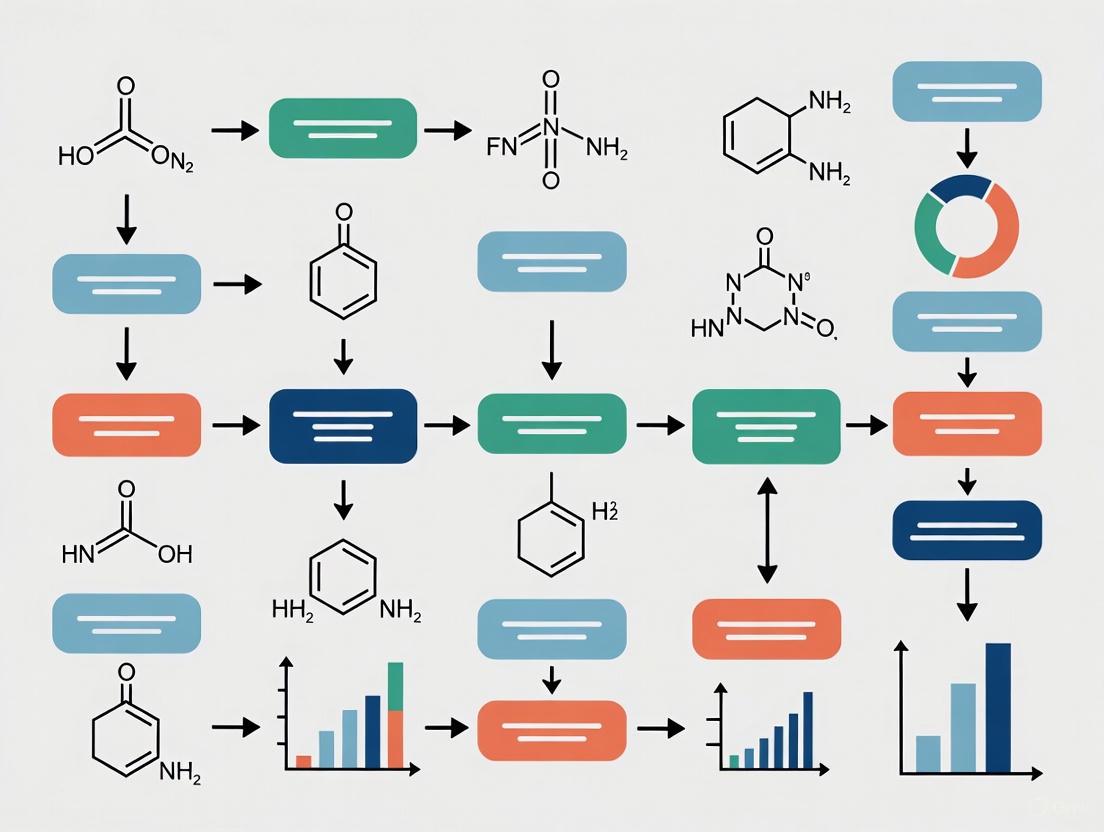
This article provides a definitive guide to analytical method validation tailored for researchers, scientists, and drug development professionals working in organic chemistry.
A Comprehensive Guide to Method Validation in Organic Chemistry: From ICH Guidelines to Advanced HPLC Techniques
Abstract
This article provides a definitive guide to analytical method validation tailored for researchers, scientists, and drug development professionals working in organic chemistry. It systematically covers the foundational principles of method validation as defined by major regulatory bodies (ICH, USP, FDA), detailed methodologies for developing and applying robust analytical procedures, advanced troubleshooting and optimization strategies for techniques like HPLC, and comprehensive validation protocols including comparative assessment and technology transfer. By integrating current guidelines, practical case studies, and emerging trends such as computational screening and innovative validation metrics, this resource aims to equip practitioners with the knowledge to ensure their analytical methods are accurate, precise, reliable, and fully compliant for pharmaceutical and biomedical applications.
Understanding Method Validation: Core Principles and Regulatory Requirements
Method validation is the formal, documented process of demonstrating that an analytical procedure is suitable for its intended purpose, ensuring the reliability, accuracy, and consistency of test results throughout drug development and manufacturing [1]. Within the pharmaceutical industry, these analytical methods are indispensable tools for assessing the identity, strength, quality, purity, and potency of drug substances and products. The process provides scientific evidence that the method consistently delivers results that are a true measure of the quality attribute being tested, known as the analyte.
Method validation does not occur in isolation but is a core component of the Chemistry, Manufacturing, and Controls (CMC) framework, which encompasses the rigorous systems and procedures governing drug development, production, and quality assurance [2]. This integration ensures that analytical activities are aligned with manufacturing realities and regulatory expectations. For researchers and drug development professionals, understanding method validation principles is essential for developing robust, defensible analytical methods that support product quality from initial development through commercial manufacturing, ultimately ensuring patient safety and product efficacy.
Core Objectives of Analytical Method Validation
The primary objective of method validation is to demonstrate that a specific analytical procedure is suitable for its intended use, providing a high degree of assurance that the data generated are both reliable and meaningful [1]. This foundational goal is achieved through several specific, interconnected objectives that collectively establish the method's fitness for purpose.
- Ensuring Data Quality and Integrity: Validation confirms that a method produces accurate (true) and precise (repeatable) results, forming the basis for sound decision-making in drug development [3]. This is crucial for assessing critical quality attributes (CQAs) like purity, potency, and impurity levels [2].
- Establishing Method Robustness and Ruggedness: A key objective is to demonstrate that the method's performance remains unaffected by small, deliberate variations in method parameters (robustness) and when performed under different conditions, such as by different analysts or instruments (ruggedness) [4].
- Supporting Regulatory Compliance and Submissions: Regulatory agencies worldwide require validated methods as a condition for drug approval [4]. Validation generates the documented evidence needed to show compliance with guidelines from the International Council for Harmonisation (ICH), FDA, and other bodies [1].
- Guiding Phase-Appropriate Development: The rigor of validation evolves with the drug development lifecycle. In early phases, methods may be partially validated, while later stages and commercial production require full validation to support marketing applications [2].
Key Validation Parameters and Regulatory Standards
The validation of an analytical method involves testing a defined set of performance characteristics or parameters. The specific parameters required depend on the type of analytical procedure, whether it is used for identification, testing for impurities, or assay of the main component [1]. The table below summarizes the core validation parameters and their definitions as outlined by major regulatory guidelines.
Table 1: Key Parameters for Analytical Method Validation
| Parameter | Definition | Primary Purpose |
|---|---|---|
| Accuracy [1] [3] | The closeness of agreement between a test result and the true or accepted reference value. | Demonstrates the method measures the analyte correctly without bias. |
| Precision [1] [3] | The closeness of agreement among a series of measurements from multiple sampling. Includes repeatability and intermediate precision. | Ensures consistency of results under normal operating conditions. |
| Specificity [1] [3] | The ability to assess the analyte unequivocally in the presence of other components like impurities, degradants, or matrix. | Confirms the method can distinguish and accurately measure the target analyte. |
| Linearity [1] [3] | The ability of the method to obtain test results directly proportional to analyte concentration within a given range. | Establives the proportional relationship between response and concentration. |
| Range [1] [3] | The interval between the upper and lower concentrations of analyte for which suitable levels of precision, accuracy, and linearity are demonstrated. | Defines the concentrations over which the method is applicable. |
| Detection Limit (LOD) [1] [3] | The lowest amount of analyte in a sample that can be detected, but not necessarily quantified. | Determines trace-level detection capability for impurities. |
| Quantitation Limit (LOQ) [1] [3] | The lowest amount of analyte in a sample that can be quantitatively determined with acceptable precision and accuracy. | Determines the lower limit for precise impurity quantification. |
| Robustness [1] [3] | A measure of the method's capacity to remain unaffected by small, deliberate variations in procedural parameters. | Evaluates the method's reliability during normal use and transfer. |
Regulatory bodies have harmonized requirements for these parameters. The ICH Q2(R1) guideline serves as the international standard, followed by the FDA and European Medicines Agency (EMA) [1] [3]. These guidelines ensure that methods developed in different regions meet consistent standards of quality, facilitating global drug development and registration.
The Integral Link Between Method Validation and CMC
Method validation is deeply embedded within the CMC framework, providing the critical data needed to establish and maintain control over the drug product's quality [2]. The relationship is symbiotic: CMC activities define what a method must measure, and the validated method provides the data to control the manufacturing process and final product.
- Defining Critical Quality Attributes (CQAs): CMC development identifies a product's CQAs—such as purity, potency, and impurity profiles. Method validation then ensures the analytical procedures for monitoring these CQAs are scientifically sound and fit-for-purpose [2]. For example, if a CMC study identifies a potential process impurity, a validated method must be able to detect and quantify it with specificity and sufficient sensitivity [2].
- Phase-Appropriate Validation Rigor: The level of validation rigor aligns with the stage of CMC development. Early development may only require method qualification to monitor basic safety and feasibility. As the process is refined and scaled up for late-stage trials and commercial readiness, full method validation is necessary to support the more fixed and robust control strategy [2].
- Adapting to CMC Changes: Drug development is iterative, with frequent process improvements and formulation changes. Any change in synthesis, excipients, or scale can introduce new impurities or alter degradation pathways. CMC change control mechanisms require that analytical methods are revalidated or supplementally validated to ensure they remain capable of assuring product quality after such changes [2].
The following diagram illustrates the logical workflow of method validation within the CMC framework, from development to ongoing control.
Experimental Protocols for Key Validation Parameters
This section provides detailed methodologies for conducting experiments to validate the core parameters of an analytical method, using High-Performance Liquid Chromatography (HPLC) as a common example.
Protocol for Accuracy, Linearity, and Range
This experiment is designed to determine the accuracy, linearity, and working range of an assay method simultaneously through a recovery study [1] [4].
- Objective: To verify that the method provides results proportional to analyte concentration (linearity), is accurate across a specified range, and to define that range.
- Materials: Drug substance (analyte) of known high purity, placebo/excipients matching the drug product formulation, appropriate solvents and reagents, HPLC system with suitable detector.
- Procedure:
- Prepare a stock solution of the analyte at a concentration near the upper end of the anticipated range.
- Prepare a placebo solution containing all excipients at their expected concentration in the final drug product.
- From the stock solution, prepare a series of at least five standard solutions spanning the intended range (e.g., 50%, 75%, 100%, 125%, 150% of the target concentration).
- Prepare sample solutions by spiking the placebo with the analyte at the same concentration levels as the standards (e.g., 50%, 75%, 100%, 125%, 150%). Each level should be prepared in triplicate.
- Inject each solution into the HPLC system in a randomized sequence.
- Record the peak response (e.g., area) for the analyte.
- Data Analysis:
- Linearity: Plot the average peak response of the standard solutions against their concentration. Calculate the regression line (y = mx + c) and the correlation coefficient (R²). An R² value ≥ 0.999 is typically expected for a linear relationship [4].
- Accuracy: For each spike level, calculate the percent recovery:
(Measured Concentration / Theoretical Concentration) * 100. The mean recovery at each level should be within 98.0-102.0% for the assay of a drug substance. - Range: The range is established as the interval between the lowest and highest concentration levels for which linearity and accuracy have been demonstrated.
Protocol for Precision (Repeatability and Intermediate Precision)
Precision is validated through experiments that assess variability under different conditions [1].
- Objective: To demonstrate the consistency of results under normal operating conditions (repeatability) and when conditions change within a laboratory (intermediate precision).
- Materials: Homogeneous sample of drug substance or product, standard solutions, HPLC system.
- Procedure for Repeatability:
- Prepare six independent sample preparations from a single, homogeneous batch at 100% of the test concentration.
- Have a single analyst analyze all six samples on the same day, using the same instrument.
- Calculate the % Relative Standard Deviation (%RSD) of the six results.
- Procedure for Intermediate Precision:
- To incorporate variation, a second analyst repeats the procedure on a different day, using a different HPLC instrument (if available).
- The data from both analysts and both days are combined.
- The overall %RSD is calculated, or an analysis of variance (ANOVA) can be performed to separate the sources of variation.
- Data Analysis: The method is considered precise if the %RSD for repeatability is ≤ 1.0% and for intermediate precision is ≤ 2.0% for a drug substance assay.
Protocol for Specificity
This protocol ensures the method can distinguish the analyte from other components [1].
- Objective: To demonstrate that the peak response for the analyte is free from interference from impurities, degradants, and the sample matrix.
- Materials: Purified analyte (drug substance), placebo/excipients, known impurities and degradation products (if available), stressed samples (e.g., exposed to heat, light, acid, base, oxidant).
- Procedure:
- Inject a blank (solvent) and record the chromatogram.
- Inject the placebo solution and record the chromatogram.
- Inject a standard solution of the analyte and record the chromatogram.
- Inject individual solutions of available impurities and degradation products.
- Inject a sample that has been intentionally stressed to force degradation.
- Compare all chromatograms to check for co-elution (overlapping peaks).
- Data Analysis: The method is specific if there is no interference from the blank or placebo at the retention time of the analyte, and the analyte peak is baseline-resolved from all known impurity and degradation peaks. Peak purity tests using a diode array or mass spectrometry detector provide strong evidence of specificity [1].
Essential Research Reagent Solutions for Method Validation
The successful development and validation of analytical methods rely on a suite of high-quality reagents, standards, and instruments. The following table details the essential materials required for these activities.
Table 2: Key Reagent Solutions and Materials for Analytical Method Validation
| Material / Solution | Function in Method Development & Validation |
|---|---|
| High-Purity Reference Standards [5] | Serves as the benchmark for identifying the analyte and for quantifying potency, purity, and impurities. Essential for establishing method accuracy and linearity. |
| Chromatographic Systems (HPLC, GC) [4] | Provide the platform for separating the analyte from other components in a mixture. Critical for assessing specificity, precision, and robustness. |
| Mass Spectrometry (MS) Detectors [1] | Coupled with HPLC or GC, MS provides definitive structural identification of analytes and impurities, and is a powerful tool for confirming peak purity and method specificity. |
| Validated Mobile Phase Solvents & Reagents | The chemical environment for the analysis. Their quality and consistency are vital for achieving reproducible retention times, baseline stability, and robust method performance. |
| Characterized Impurity Standards [1] | Used to challenge the method's ability to detect and quantify impurities in the presence of the main analyte, directly supporting validation of specificity, LOD, and LOQ. |
Method validation is a foundational and non-negotiable scientific discipline within drug development and the CMC framework. It transforms an analytical procedure from a simple laboratory technique into a validated tool capable of generating reliable data to support critical decisions regarding product quality, safety, and efficacy. As outlined, the process is governed by clearly defined objectives and a comprehensive set of performance parameters aligned with international regulatory standards.
The dynamic interplay between method validation and CMC ensures that product quality is consistently built into the manufacturing process and verified through testing. From early development to commercial production and lifecycle management, a rigorous, phase-appropriate approach to method validation provides the evidence-based assurance required by regulators and, ultimately, by patients who rely on the quality and safety of their medicines. For researchers and drug development professionals, mastering these principles is essential for navigating the complex pathway from API to clinic and beyond.
For researchers in organic chemistry and drug development, demonstrating that an analytical method is reliable and fit for purpose is a critical regulatory requirement. Method validation provides documented evidence that a specific analytical procedure consistently yields results that accurately measure the characteristic it is intended to measure. Several key guidelines govern this process, primarily the International Council for Harmonisation (ICH) Q2(R1) guideline, various standards from the United States Pharmacopeia (USP), and guidance documents from the U.S. Food and Drug Administration (FDA). While these frameworks share the common goal of ensuring data quality and patient safety, their scope, focus, and application exhibit important differences. Understanding this complex regulatory landscape is essential for designing robust validation protocols, avoiding costly non-compliance, and accelerating the development of quality medicines.
The ICH Q2(R1) guideline, titled "Validation of Analytical Procedures: Text and Methodology," serves as the international benchmark for the validation of analytical methods. It harmonizes the requirements for registration applications across the European Union, Japan, and the United States [6]. The USP publishes legally recognized standards for medicines, including detailed monographs for drug substances and general chapters that describe analytical procedures and their validation requirements [7]. The FDA, in turn, issues product-specific guidance for various regulated products, such as tobacco, which build upon the foundational principles of ICH and USP [8]. This guide will objectively compare these frameworks, detail their experimental demands, and place them within the practical context of organic chemistry research.
Comparative Analysis of ICH, USP, and FDA Guidelines
The following table provides a structured, point-by-point comparison of the core attributes of the ICH Q2(R1), USP, and FDA guidelines for analytical method validation.
| Feature | ICH Q2(R1) | USP Standards | FDA Guidance (e.g., for Tobacco Products) |
|---|---|---|---|
| Primary Role & Scope | Definitive, international standard for method validation in pharmaceutical marketing applications [6]. | Legally recognized compendia of quality specifications and validated methods for drugs and ingredients in the United States [7]. | Product-specific recommendations for validating methods used in premarket applications for regulated products like tobacco [8]. |
| Key Validation Parameters | Defines precision, accuracy, specificity, detection limit, quantitation limit, linearity, range, and robustness [6]. | Covers similar parameters to ICH; heavily relies on the use of USP Reference Standards to ensure accuracy and reproducibility [7]. | Recommends validation of accuracy, precision, specificity, and range, tailored to the unique matrix of tobacco products [8]. |
| Regulatory Status | Harmonized guideline for ICH regions; adopted by regulatory bodies like the TGA [9]. | Official and legally enforceable in the U.S. under the Federal Food, Drug, and Cosmetic Act [7]. | Issued as "guidance," representing the FDA's current thinking on a topic, but not legally binding [8]. |
| Typical Application Context | Registration of pharmaceuticals for human use (New Drug Applications, Marketing Authorisation Applications) [6]. | Quality control testing and compliance of marketed pharmaceuticals and compounded preparations with USP monographs [7] [10]. | Premarket applications for specific product categories (e.g., Premarket Tobacco Product Applications, Substantial Equivalence Reports) [8]. |
| Experimental Material Requirements | Does not specify particular reference standards. | Mandates the use of official USP Reference Standards for compendial testing to ensure analytical rigor [7]. | Does not specify a single source for reference materials, but they must be suitably qualified. |
Experimental Protocols for Key Validation Parameters
A successful method validation study requires a structured plan that defines quality requirements, selects appropriate experiments, and establishes statistical criteria for acceptability [11]. The following section outlines detailed experimental methodologies for the core validation parameters defined in ICH Q2(R1), which also form the basis for USP and FDA requirements.
Precision
Precision, the degree of scatter in a series of measurements from the same homogeneous sample, is typically validated at three levels.
- Protocol for Repeatability: Prepare a homogeneous sample of the analyte at 100% of the test concentration. Using a single analyst and the same analytical system, analyze a minimum of six independent replicates. The relative standard deviation (RSD) of the results is calculated and compared against pre-defined acceptance criteria.
- Protocol for Intermediate Precision: Demonstrate the impact of within-laboratory variations by having a second analyst repeat the repeatability study on a different day, using a different instrument of the same type, if available. The combined data from both analysts is used to calculate an overall RSD.
- Protocol for Reproducibility: This is assessed through a collaborative inter-laboratory study, which is typically required for standardization of methods, such as for USP monographs.
Accuracy
Accuracy expresses the closeness of agreement between the measured value and a value accepted as a true or reference value.
- Protocol via Spiked Recovery: Prepare the sample matrix without the analyte. Spike this blank matrix with known quantities of the analyte across the specified range (e.g., 50%, 100%, 150% of the target concentration). Each level should be analyzed in triplicate. The accuracy is calculated as the percentage recovery of the known, added amount:
(Measured Concentration / Known Concentration) * 100%.
Specificity and Selectivity
Specificity is the ability to assess the analyte unequivocally in the presence of components that may be expected to be present, such as impurities, degradants, or matrix.
- Protocol for Chromatographic Methods: Inject and analyze the following solutions separately: the analyte standard, a placebo or blank matrix, samples spiked with potential impurities and degradation products (generated by stressing the sample), and a mixture of all components. The method should demonstrate that the analyte peak is baseline resolved from all other peaks and that no interfering peaks are present at the retention time of the analyte in the blank.
Linearity and Range
Linearity is the ability of the method to obtain test results proportional to the concentration of the analyte.
- Protocol: Prepare a minimum of five standard solutions spanning the intended range of the method (e.g., 50%, 75%, 100%, 125%, 150%). Plot the instrumental response against the known concentration of the analyte. The data is evaluated by linear regression analysis. The correlation coefficient (r), y-intercept, and slope of the regression line are reported. The range is the interval between the upper and lower concentration levels for which linearity, accuracy, and precision have been demonstrated.
Robustness
Robustness is a measure of the method's capacity to remain unaffected by small, deliberate variations in procedural parameters.
- Protocol for HPLC: A method is typically challenged with deliberate variations in parameters such as mobile phase pH (±0.2 units), organic composition (±2%), column temperature (±5°C), and flow rate (±10%). A single set of samples is analyzed under these slightly modified conditions, and the results are compared to those obtained under nominal conditions. Key performance indicators, such as resolution from the closest peak, tailing factor, and capacity factor, should remain within specified limits.
The following workflow diagram visualizes the logical sequence of a typical analytical method validation process, integrating the parameters described above.
The Scientist's Toolkit: Essential Reagents and Materials
The execution of a validated analytical method relies on high-quality, well-characterized materials. The following table details key research reagent solutions and their critical functions in ensuring the accuracy and reproducibility of analytical data.
| Item | Function & Importance |
|---|---|
| USP Reference Standards | Highly characterized specimens of drug substances, impurities, and excipients. They serve as the primary benchmark for confirming the identity, strength, quality, and purity of pharmaceuticals during compendial testing as per USP-NF [7]. |
| Chromatographic Columns | The stationary phase for HPLC and GC separations. The specific type (e.g., C18, phenyl) and its properties are critical for achieving the resolution, peak shape, and selectivity specified in the validated method. |
| High-Purity Solvents & Reagents | Essential for preparing mobile phases, standards, and samples. Impurities can cause high background noise, baseline drift, ghost peaks, and interfere with the detection or quantification of the analyte, compromising accuracy. |
| Certified Mass Spectrometry Standards | Used for instrument calibration and confirming mass accuracy in LC-MS or GC-MS workflows. These standards are traceable to a primary reference and are crucial for generating reliable qualitative and quantitative data. |
| System Suitability Standards | A reference preparation tailored to the method that is used to verify that the chromatographic system is adequate for the intended analysis. It typically tests for parameters like plate count, tailing factor, and resolution, ensuring the system is performing as it did during validation [7]. |
Data Presentation and Reporting Standards
Publishing or reporting data from validated methods requires meticulous documentation to enable verification and reproduction. The Royal Society of Chemistry and other publishing bodies mandate that experimental procedures be described in sufficient detail for a skilled researcher to replicate the work [12]. The following outlines key reporting requirements.
- Experimental Details: The description must include all critical procedural details. For organic compounds, this includes yields, melting points, and full spectroscopic characterization (e.g., NMR, IR, MS) [12]. For example, NMR data should be reported with δ values, specifying instrument frequency, solvent, and standard, while mutually coupled protons must be quoted with precisely matching J values [12].
- Data Presentation and Uncertainty: All data must be reported with the correct number of significant figures. Figures, such as chromatograms or calibration curves, should include error bars where appropriate, and results must be accompanied by an analysis of experimental uncertainty [12].
- Adherence to FAIR Principles: Supporting data should be made as Findable, Accessible, Interoperable, and Reusable as possible. This often involves depositing primary data (e.g., raw chromatograms, spectra) in an appropriate repository and including a formal data availability statement [12].
Navigating the requirements of ICH Q2(R1), USP, and FDA is fundamental to successful drug development and organic chemistry research. While these guidelines are complementary, they serve distinct roles: ICH Q2(R1) provides the foundational, internationally-harmonized validation methodology; USP supplies the legally-recognized documentary standards and physical reference materials for quality testing; and FDA offers product-specific application guidance. A robust validation strategy begins with ICH Q2(R1) as its core framework, incorporates USP Reference Standards for compendial methods or to ensure analytical rigor, and is finalized with a careful review of any relevant FDA product-specific guidance. By integrating these elements into a coherent experimental plan, researchers can generate high-quality, reliable data that meets regulatory expectations, ensures patient safety, and brings quality medicines to market efficiently.
In the pharmaceutical sciences, the reliability of any analytical method is paramount. Method validation provides documented evidence that a specific analytical procedure is suitable for its intended use, ensuring the identity, purity, potency, and performance of drug substances and products. For researchers and drug development professionals, this process is not merely a regulatory checkbox but a fundamental component of scientific excellence and data integrity. It forms the bedrock upon which quality control, stability studies, and regulatory submissions are built.
This guide focuses on four core validation parameters—Accuracy, Precision, Specificity, and Linearity—that are universally recognized as essential by international guidelines such as the International Council for Harmonisation (ICH) Q2(R1) [13] [3]. These parameters are critically examined through the lens of modern reversed-phase high-performance liquid chromatography (RP-HPLC) applications, a cornerstone technique in pharmaceutical analysis. The objective is to provide a comparative overview of how these parameters are demonstrated and assessed in practice, supported by experimental data from recent studies, to aid in the development and evaluation of robust analytical methods.
Core Principles and Comparative Analysis of Validation Parameters
The following section dissects each of the four essential validation parameters, defining their role, explaining their evaluation, and presenting comparative experimental data from contemporary research.
Accuracy
Accuracy refers to the closeness of agreement between a test result and the accepted reference value (the true value). It is typically expressed as percent recovery of a known, spiked amount of analyte in a sample [13] [3]. A method cannot be considered precise if it is not accurate, as accuracy is a direct measure of correctness.
- Experimental Protocol for Assessment: Accuracy is determined by spiking a sample matrix (e.g., a placebo or a blank formulation) with known concentrations of the analyte at multiple levels, usually covering the specified range (e.g., 80%, 100%, and 120% of the target concentration). The sample is then analyzed using the developed method. The measured concentration is compared to the spiked concentration, and the percent recovery is calculated. Recovery rates between 98% and 102% are generally considered acceptable for pharmaceutical assays [13] [14].
- Comparative Experimental Data: The following table summarizes accuracy data from multiple RP-HPLC method validations.
Table 1: Comparative Accuracy Data from Recent RP-HPLC Method Validations
| Analytes | Sample Matrix | Spiking Levels | Average Recovery (%) | Citation |
|---|---|---|---|---|
| Favipiravir | Laboratory-prepared tablets | Not Specified | RSD < 2% (implied high accuracy) | [15] |
| Metoclopramide & Camylofin | Pharmaceutical dosage forms | Multiple levels across the range | 98.2 - 101.5 | [13] |
| Brimonidine Tartrate | Ophthalmic dosage forms | 100-500 ppm | 99.42 - 99.82 | [14] |
| Timolol Maleate | Ophthalmic dosage forms | 250-1250 ppm | 98.71 - 101.10 | [14] |
Precision
Precision describes the closeness of agreement between a series of measurements obtained from multiple sampling of the same homogeneous sample under prescribed conditions. It is a measure of the method's repeatability and reproducibility and is usually expressed as the relative standard deviation (RSD) or coefficient of variation [3]. Precision is investigated at multiple levels.
- Experimental Protocol for Assessment:
- Repeatability: Expresses the precision under the same operating conditions over a short interval of time. It is assessed by analyzing six replicate preparations of a single homogeneous sample at 100% of the test concentration.
- Intermediate Precision: Demonstrates the reliability of results within the same laboratory under varying conditions, such as different days, different analysts, or different equipment [16]. The data from these variations are combined, and the RSD is calculated.
- Comparative Experimental Data: A key benchmark for a precise method is an RSD value of less than 2% for the assay of drug substances in pharmaceutical dosage forms.
Table 2: Precision Data from Validated HPLC Methods
| Analytes | Precision Level | RSD Value (%) | Citation |
|---|---|---|---|
| Favipiravir | Repeatability | < 2 | [15] |
| Metoclopramide & Camylofin | Intra-day & Inter-day | < 2 | [13] |
| Brimonidine Tartrate & Timolol Maleate | Repeatability & Intermediate Precision | < 2 | [14] |
Specificity
Specificity is the ability of a method to assess the analyte unequivocally in the presence of other components that may be expected to be present, such as impurities, degradants, or matrix components [3]. A specific method provides confidence that the peak being measured is indeed the analyte of interest and nothing else.
- Experimental Protocol for Assessment: Specificity is demonstrated by analyzing a blank sample (e.g., placebo without the active ingredient), a standard of the pure analyte, and a sample spiked with potential interferents (e.g., impurities or excipients). The gold standard for proving specificity is through forced degradation studies (stress testing), where the sample is subjected to harsh conditions like acid/base hydrolysis, oxidative stress, thermal stress, and photolytic stress. The method should be able to separate the analyte peak from any degradation products, proving its stability-indicating capability [14].
- Case Study Example: In the development of a method for Brimonidine Tartrate and Timolol Maleate, forced degradation studies under acid/base hydrolysis and oxidation successfully separated the active drugs from their degradation products. While both drugs were stable to heat and light, Timolol Maleate showed significant degradation under hydrolytic and oxidative conditions, confirming the method's specificity in detecting the analyte amidst impurities [14].
Linearity
Linearity of an analytical method is its ability to produce test results that are directly proportional to the concentration of the analyte in a defined range. The range is the interval between the upper and lower concentrations for which the method has suitable levels of accuracy, precision, and linearity.
- Experimental Protocol for Assessment: Linearity is established by preparing and analyzing a series of standard solutions at a minimum of five concentration levels across the claimed range. The peak response (e.g., area) is plotted against the concentration, and a regression line is calculated using the least-squares method. The correlation coefficient (R²) is a key indicator, with a value greater than 0.999 being desirable for assay methods. The y-intercept and slope of the line are also evaluated [13] [14].
- Comparative Experimental Data:
Table 3: Linearity and Range Data from Validated Methods
| Analytes | Linear Range | Correlation Coefficient (R²) | Citation |
|---|---|---|---|
| Favipiravir | Not Specified | Excellent (per report) | [15] |
| Metoclopramide | 0.375 - 2.7 μg/mL | > 0.999 | [13] |
| Camylofin | 0.625 - 4.5 μg/mL | > 0.999 | [13] |
| Brimonidine Tartrate | 100 - 500 ppm | Excellent (per report) | [14] |
| Timolol Maleate | 250 - 1250 ppm | Excellent (per report) | [14] |
Advanced Concepts: LOD/LOQ and Robustness
Beyond the four core parameters, a comprehensive validation includes other critical characteristics.
- Limit of Detection (LOD) and Limit of Quantification (LOQ): The LOD is the lowest amount of analyte that can be detected, but not necessarily quantified. The LOQ is the lowest amount that can be quantified with acceptable precision and accuracy [17]. These are crucial for impurity methods. Strategies for determining them include signal-to-noise ratio (3:1 for LOD, 10:1 for LOQ) or using the standard deviation of the response and the slope of the calibration curve. Advanced graphical approaches like the uncertainty profile are emerging as more realistic and reliable for their assessment [17].
- Robustness: Robustness is a measure of a method's capacity to remain unaffected by small, deliberate variations in procedural parameters (e.g., mobile phase pH, flow rate, column temperature) and provides an indication of its reliability during normal usage [16]. It is typically evaluated using multivariate experimental designs (e.g., full factorial, fractional factorial, or Plackett-Burman designs) during the method development phase. This allows for the simultaneous study of multiple factors to identify critical parameters and establish system suitability limits, ensuring the method's ruggedness over its lifecycle [15] [16].
Experimental Protocols in Practice
Workflow for a Validation Study
The following diagram outlines a generalized experimental workflow for validating an analytical method, integrating the core parameters discussed.
The Scientist's Toolkit: Essential Research Reagent Solutions
The following table details key reagents and materials commonly used in the development and validation of RP-HPLC methods for pharmaceutical analysis, as evidenced in the cited studies.
Table 4: Essential Reagents and Materials for HPLC Method Validation
| Item | Typical Function & Specification | Application Example |
|---|---|---|
| HPLC Grade Solvents (Acetonitrile, Methanol) | Mobile phase component; high purity minimizes background noise and detector interference. | Organic modifier in mobile phase for eluting analytes [15] [13]. |
| Buffer Salts (e.g., Disodium hydrogen phosphate, Ammonium acetate) | Provides consistent pH in aqueous mobile phase, controlling analyte ionization and retention. | 20 mM Ammonium acetate buffer, pH 3.5, for separation of metoclopramide and camylofin [13]. |
| pH Adjusting Agents (e.g., Ortho-phosphoric acid, Glacial acetic acid) | Fine-tunes mobile phase pH, critical for reproducibility and robustness [16]. | Glacial acetic acid used to adjust buffer pH to 3.5 [13]. |
| C18 Stationary Phase Columns | The most common RP-HPLC column; separates analytes based on hydrophobicity. | Inertsil ODS-3 C18 column used for favipiravir quantification [15]. |
| Reference Standards (High Purity Analytes) | Serves as the benchmark for identity, potency, and quantification during method validation. | Metoclopramide and Camylofin standards from Tokyo Chemical Industry [13]. |
The parameters of Accuracy, Precision, Specificity, and Linearity are non-negotiable pillars of a reliable analytical method. As demonstrated by experimental data from contemporary research, the validation process is a rigorous, data-driven endeavor. The trend in the field is moving towards more robust and sustainable methods, often developed using principles of Analytical Quality by Design (AQbD) [15] and Green Analytical Chemistry (GAC) [14] [18]. Furthermore, advanced statistical and graphical tools are being adopted for a more realistic determination of critical parameters like LOD/LOQ [17] and robustness [16]. For researchers in drug development, a deep understanding of these principles is essential not only for regulatory compliance but also for ensuring the safety and efficacy of pharmaceutical products brought to the market.
In the field of analytical chemistry, particularly for pharmaceutical analysis, method validation provides the foundational evidence that an analytical procedure is suitable for its intended purpose. While parameters such as accuracy, precision, and specificity form the core validation criteria, supplementary parameters including the Limit of Detection (LOD), Limit of Quantitation (LOQ), Range, Ruggedness, and Robustness provide critical additional assurance of method reliability [19]. These parameters ensure methods perform consistently at their operational limits and under varied realistic conditions, forming an essential component of compliance with global regulatory standards such as the International Council for Harmonisation (ICH) guidelines [20] [19].
This guide objectively compares the performance characteristics of these critical supplementary parameters through experimental data and established protocols, providing researchers and drug development professionals with practical insights for implementing these concepts within organic chemistry method validation frameworks.
Parameter Definitions and Regulatory Significance
Core Definitions
Limit of Detection (LOD): The lowest concentration of an analyte in a sample that can be detected, but not necessarily quantitated, under the stated experimental conditions [20] [21]. It is typically expressed as a signal-to-noise ratio of 3:1 [20].
Limit of Quantitation (LOQ): The lowest concentration of an analyte in a sample that can be quantitatively determined with acceptable precision and accuracy [20] [21]. It is typically expressed as a signal-to-noise ratio of 10:1 [20].
Range: The interval between the upper and lower concentrations of an analyte (inclusive) that has been demonstrated to be determined with acceptable precision, accuracy, and linearity using the method as written [20].
Robustness: A measure of the method's capacity to remain unaffected by small, deliberate variations in method parameters [21]. It provides an indication of the method's reliability during normal usage [13] [22].
Ruggedness: The degree of reproducibility of test results obtained by the analysis of the same samples under a variety of normal expected conditions, such as different laboratories, analysts, instruments, reagent lots, elapsed assay times, assay temperature, or days [20]. The term "ruggedness" is falling out of favor with ICH and is now largely addressed under "intermediate precision" and "reproducibility" [20].
Regulatory Context and Guidelines
The ICH Q2(R2) guideline provides the primary framework for analytical method validation for pharmaceutical applications, with the revised version effective June 2024 [19]. These guidelines harmonize requirements across regulatory bodies including the FDA and European Medicines Agency (EMA). The United States Pharmacopeia (USP) General Chapter <621> provides specific chromatography requirements, with updated sections on system sensitivity and peak symmetry becoming effective May 1, 2025 [23].
Comparative Analysis of Performance Characteristics
Acceptance Criteria Across Analytical Applications
Table 1: Comparative Acceptance Criteria for Supplementary Validation Parameters
| Parameter | Assay Methods | Impurity Methods | Identification Methods |
|---|---|---|---|
| LOD | Typically not required for main analyte | Signal-to-noise ratio ≥ 3:1 [20] | Not the primary focus |
| LOQ | Typically not required for main analyte | Signal-to-noise ratio ≥ 10:1 [20]; Must demonstrate precision (RSD < 10-20%) and accuracy (80-120%) [20] [21] | Not applicable |
| Range | 80-120% of test concentration [21] | LOQ to 120% of specification level [21] | Not applicable |
| Robustness | Method performance remains within acceptance criteria despite deliberate variations [13] | Same as assay methods | Method maintains specificity despite variations |
| Ruggedness (Intermediate Precision) | RSD typically ≤ 2% for different analysts, instruments, days [21] | RSD criteria wider than assay, dependent on concentration level | Consistent identification confirmed across variations |
Experimental Data from Validated Methods
Table 2: Experimental Data from Published Method Validations
| Analyte/ Method | LOD | LOQ | Range | Robustness Assessment | Precision (Repeatability) |
|---|---|---|---|---|---|
| Metoclopramide (MET) & Camylofin (CAM) RP-HPLC [13] | MET: 0.23 μg/mLCAM: 0.15 μg/mL | MET: 0.35 μg/mLCAM: 0.42 μg/mL | MET: 0.375-2.7 μg/mLCAM: 0.625-4.5 μg/mL | Deliberate variations in flow rate (0.9-1.1 mL/min), column temperature (35-45°C); RSD < 2% | Intra- and inter-day RSD < 2% |
| Mesalamine RP-HPLC [24] | 0.22 μg/mL | 0.68 μg/mL | 10-50 μg/mL (R² = 0.9992) | Robust under slight method variations (RSD < 2%) | Intra- and inter-day RSD < 1% |
Experimental Protocols and Methodologies
Determination of LOD and LOQ
Signal-to-Noise Method: This approach is particularly applicable to chromatographic methods where baseline noise can be measured [20]. The LOD is determined as the analyte concentration that produces a signal-to-noise ratio of 3:1, while the LOQ is determined as the concentration producing a signal-to-noise ratio of 10:1 [20]. This method was successfully employed in the validation of methods for both metoclopramide and mesalamine [13] [24].
Standard Deviation/Slope Method: This calculation-based approach uses the formula: LOD = 3.3 × σ/S and LOQ = 10 × σ/S, where σ is the standard deviation of the response and S is the slope of the calibration curve [20] [21]. This method is gaining popularity for its statistical rigor and is particularly useful when baseline noise is difficult to measure consistently.
Establishing Range
The range is established by demonstrating that the method exhibits suitable levels of linearity, accuracy, and precision across the entire interval [20]. For assay methods, this typically spans 80-120% of the target test concentration, while for impurity methods, it extends from the LOQ to 120% of the specification level [21]. The mesalamine method validation demonstrated a range of 10-50 μg/mL with excellent linearity (R² = 0.9992) [24].
Robustness Testing Methodology
Robustness is verified by introducing small, deliberate variations in method parameters and evaluating system performance [13]. Key variables to test include:
- Chromatographic conditions: Flow rate (±10%), column temperature (±5°C), mobile phase composition (±2-3% absolute), pH (±0.2 units) [13] [22]
- Sample preparation: Extraction time, solvent composition, stability in solution
- Instrument parameters: Detection wavelength, injection volume
The metoclopramide study demonstrated robustness by testing flow rate variations from 0.9-1.1 mL/min and column temperature from 35-45°C while maintaining RSD values below 2% [13].
Ruggedness (Intermediate Precision) Assessment
Ruggedness is evaluated through intermediate precision studies that incorporate variations expected during routine method use [20]. A standard protocol includes:
- Different analysts performing the analysis
- Different instruments or HPLC systems
- Different days of analysis
- Different reagent lots
Each analyst prepares their own standards and solutions, and results are statistically compared (e.g., using Student's t-test) to determine if significant differences exist between the means obtained under different conditions [20].
Visualization of Parameter Relationships and Workflows
Method Validation Parameter Relationships
LOD and LOQ Determination Workflow
The Researcher's Toolkit: Essential Reagents and Equipment
Table 3: Essential Research Reagents and Equipment for Method Validation
| Item | Function/Purpose | Examples/Specifications |
|---|---|---|
| HPLC System with UV/Vis Detector | Separation and detection of analytes | Shimadzu systems with SPD-20A detector [13]; Binary pump systems capable of precise flow rates (0.0001-10 mL/min) [24] |
| Chromatography Columns | Analytical separation | Phenyl-hexyl columns [13]; C18 columns (150 mm × 4.6 mm, 5 μm) [24] |
| Reference Standards | Method calibration and accuracy determination | Certified reference materials with documented purity (e.g., 99.8% for Mesalamine API) [24] |
| HPLC-Grade Solvents | Mobile phase preparation | Methanol, acetonitrile, water (HPLC grade, 99.0% purity) [13] [24] |
| Buffer Components | Mobile phase modification | Ammonium acetate (analytical grade) [13]; Glacial acetic acid for pH adjustment [13] |
| pH Meter | Mobile phase pH adjustment and control | Digital pH meter with calibration capabilities [13] |
| Analytical Balance | Precise weighing of standards and samples | Balance with 0.1 mg readability [13] |
| Membrane Filters | Mobile phase and sample filtration | 0.45 μm nylon membrane filters [13] [24] |
| Ultrasonic Bath | Mobile phase degassing and sample dissolution | Equipment for consistent degassing (5 minutes typical) [13] [24] |
| Volumetric Glassware | Precise solution preparation | Class A volumetric flasks and pipettes |
The Role of Method Validation in Ensuring Product Quality, Safety, and Efficacy
Method validation is the process of providing documented evidence that an analytical procedure does what it is intended to do [25]. In regulated industries such as pharmaceuticals, laboratories must perform analytical method validation (AMV) to comply with regulations, but conducting AMV is also fundamentally sound science [25]. The primary purpose of method validation is to demonstrate that an established method is "fit for the purpose," meaning it will provide data that meets the criteria set during the planning phase for its intended use [26]. This process ensures that analytical methods consistently produce reliable, accurate, and precise results that safeguard product quality, ensure patient safety, and confirm therapeutic efficacy.
For analytical methods used in organic chemistry techniques, validation is not a single event but a structured, iterative process often performed during method development and finalized before routine use [26] [16]. It is considered unacceptable for analysts to use a published 'validated method' without demonstrating their own capability and the method's performance in their specific laboratory environment [26]. This verification confirms that the method will perform as expected under local conditions, providing a critical foundation for decision-making in drug development and manufacturing.
Performance Characteristics of Method Validation
A robust method validation study systematically investigates several key performance characteristics. The specific parameters evaluated depend on the type of method and its intended application, but core characteristics have been defined by regulatory guidelines from bodies like the International Conference on Harmonization (ICH) and the USP [25] [16].
Table 1: Key Performance Characteristics in Method Validation
| Characteristic | Definition | Typical Validation Approach |
|---|---|---|
| Specificity | The ability to measure the analyte accurately and specifically in the presence of other components [25]. | Demonstration of resolution between peaks; peak-purity tests using photodiode-array or mass spectrometry [25]. |
| Accuracy | The closeness of test results to the true value [25]. | Comparison to a standard reference material or a second, well-characterized method; recovery studies of spiked samples [26] [25]. |
| Precision | The degree of agreement among test results from repeated applications to multiple samplings of a homogeneous sample [25]. | Measured as repeatability (same conditions), intermediate precision (different days, analysts), and reproducibility (different labs); reported as %RSD [25]. |
| Linearity & Range | The ability to provide results proportional to analyte concentration within a given interval [25]. | Minimum of five concentration levels; data reported as equation for the calibration curve, coefficient of determination (r²), and residuals [25]. |
| Limit of Detection (LOD) | The lowest concentration of an analyte that can be detected [25]. | Signal-to-noise ratio of 3:1 is common in chromatography [25]. |
| Limit of Quantitation (LOQ) | The lowest concentration that can be quantified with acceptable precision and accuracy [25]. | Signal-to-noise ratio of 10:1 is common in chromatography [25]. |
| Robustness | A measure of the method's capacity to remain unaffected by small, deliberate variations in procedural parameters [25] [16]. | Intentional variation of method parameters (e.g., mobile phase pH, temperature, flow rate) to study effects on results [16]. |
The approach for formulating a validation plan involves defining a quality requirement for the test, selecting experiments to reveal analytical errors, collecting data, performing statistical calculations, and comparing observed errors to allowable error to judge acceptability [11].
Experimental Protocols for Key Validation Tests
Protocol for Determining Accuracy
The accuracy of a method is best established through the analysis of a certified reference material (CRM) [26]. When a CRM is not available, alternative approaches are used in the following order of preference:
- Comparison to a Validated Independent Method: Data obtained from a second, well-characterized method serves as a reference [26].
- Inter-laboratory Comparison: Results are compared with those from other accredited laboratories [26].
- Spike Recovery Experiments: This is a common protocol for drug products and involves analyzing synthetic mixtures spiked with known quantities of the analyte [26] [25].
Detailed Spike Recovery Protocol:
- Sample Preparation: Prepare synthetic mixtures containing all excipient materials in the correct proportions but without the analyte (blank matrix).
- Spiking: Spike the blank matrix with known quantities of the analyte across a minimum of three concentration levels covering the specified range of the method [25].
- Analysis and Data Collection: Analyze a minimum of nine determinations (e.g., three replicates at each of the three concentration levels) [25].
- Data Reporting: Report data as the percent recovery of the known, added amount, or as the difference between the mean and the true value with confidence intervals (e.g., ±1 standard deviation) [25]. Acceptability criteria are user-defined but often fall within 97–103% of the nominal value [25].
Protocol for Assessing Precision
Precision is measured at different levels, with repeatability being the most fundamental.
Detailed Repeatability Protocol:
- Sample Preparation: Prepare a single, homogeneous sample.
- Analysis: Apply the method repeatedly to multiple samplings of this homogeneous sample.
- Data Collection: Conduct a minimum of nine determinations covering the specified range of the procedure, or a minimum of six determinations at 100% of the test concentration [25].
- Data Analysis: Calculate the standard deviation and report results as the percent relative standard deviation (%RSD). A common acceptability criterion is less than 2% RSD, though less than 5% can be acceptable for minor components [25].
Protocol for Evaluating Robustness
Robustness testing investigates the method's reliability when small, deliberate changes are made to operational parameters. A multivariate experimental design is more efficient than a univariate (one-factor-at-a-time) approach, as it allows for the observation of interactions between parameters [16].
Screening Design for Robustness (Plackett-Burman):
- Factor Selection: Identify critical operational parameters (e.g., mobile phase pH, organic solvent proportion, flow rate, column temperature, detection wavelength) [16].
- Set Levels: For each factor, define a nominal (target) value, as well as a high (+) and low (-) value that represent small, realistic variations expected in a laboratory setting [16].
- Experimental Design: Use a Plackett-Burman design, which is an efficient screening design for identifying critical factors without testing all possible combinations. This design uses a specific set of runs in multiples of four [16].
- Execution and Analysis: Perform the runs as per the experimental design matrix. Analyze the data to identify which factors have a significant effect on critical method responses (e.g., resolution, retention time, peak area). System suitability parameters are often established based on the results of robustness studies [16].
Comparative Analysis of Method Performance
Method validation provides the quantitative data necessary to objectively compare the performance of a new or alternative analytical method against an established benchmark. This comparison is crucial for method selection, transfer, and optimization.
Table 2: Quantitative Comparison of Hypothetical HPLC Methods for Assaying Active Pharmaceutical Ingredient (API)
| Performance Characteristic | Compendial Method (Benchmark) | New UPLC Method (Alternative) | Acceptance Criteria |
|---|---|---|---|
| Accuracy (% Recovery) | 98.5 - 101.2% | 99.2 - 100.8% | 97 - 103% [25] |
| Repeatability (%RSD, n=6) | 0.8% | 0.5% | ≤ 2.0% |
| Intermediate Precision (%RSD) | 1.5% | 1.1% | ≤ 3.0% |
| Specificity (Resolution) | Resolution > 2.0 from closest eluting impurity | Resolution > 2.5 from all impurities | Resolution ≥ 1.5 |
| Linearity (r²) | 0.999 | 0.9995 | ≥ 0.998 |
| Range | 50-150% of test concentration | 25-150% of test concentration | As per ICH guidelines |
| Analysis Time | 15 minutes | 5 minutes | N/A |
| Solvent Consumption | 15 mL per run | 4 mL per run | N/A |
The data in Table 2 demonstrates how a new Ultra Performance Liquid Chromatography (UPLC) method can be compared to a compendial High-Performance Liquid Chromatography (HPLC) method. The validation data shows that the UPLC method not only meets all key performance criteria but also offers significant advantages in speed and solvent reduction, supporting a decision for its adoption based on both reliability and sustainability.
The Scientist's Toolkit: Essential Research Reagent Solutions
The reliability of method validation is contingent upon the quality of materials used. The following table details key reagents and materials essential for conducting validation experiments in organic chemistry analysis.
Table 3: Essential Research Reagent Solutions for Method Validation
| Reagent/Material | Function in Validation | Critical Quality Attributes |
|---|---|---|
| Certified Reference Material (CRM) | Serves as the primary standard for establishing method accuracy and trueness [26]. | Certified purity and stability; traceability to a national metrology institute. |
| High-Purity Analytical Standards | Used for preparing calibration curves (linearity), spiking solutions (accuracy), and determining LOD/LOQ [25]. | High chemical purity; well-characterized identity and structure; appropriate stability. |
| Chromatography-Mobile Phase Solvents | The liquid medium that carries the sample through the chromatographic system; variations are tested in robustness studies [16]. | HPLC or UPLC grade; low UV absorbance; minimal particulate matter. |
| Chromatography-Buffers & Additives | Modify mobile phase properties to control selectivity, pH, and efficiency; pH and concentration are critical robustness factors [16]. | High purity; specified pH and concentration; compatibility with the analytical column. |
| Sample Matrix Placebo | A blend of all excipient materials without the active analyte; used for specificity testing and spike recovery experiments [25]. | Represents the final product formulation; confirmed to be free of interfering components. |
| Analytical Columns | The stationary phase where chemical separation occurs; different lots and brands are tested for robustness [16]. | Specified chemistry (C18, C8, etc.); lot-to-lot reproducibility; stable performance over time. |
Method validation is an indispensable, scientifically rigorous discipline that forms the bedrock of product quality, safety, and efficacy. By systematically characterizing performance attributes such as specificity, accuracy, precision, and robustness, scientists generate the defensible data required to trust the analytical results upon which critical decisions are made. The structured experimental protocols and comparative frameworks outlined in this guide provide a pathway for researchers to not only comply with regulatory standards but also to advance analytical science through the development of more reliable, efficient, and sustainable methods. In the highly regulated world of drug development, a thoroughly validated method is more than a procedural requirement—it is a fundamental commitment to scientific integrity and public health.
Developing and Implementing Validated Organic Chemistry Methods
A Step-by-Step Framework for Analytical Method Development and Validation
In pharmaceutical development and organic chemistry research, the generation of reliable, reproducible, and accurate data is paramount. Analytical method development and validation constitute a systematic process to ensure that the procedures used to identify, quantify, and characterize substances deliver consistent results that stand up to regulatory scrutiny. These processes are foundational for ensuring product quality and safety, supporting regulatory submissions, facilitating batch release and stability testing, and aiding in formulation and process development [22]. Inaccurate or poorly validated methods can lead to costly delays in development timelines, regulatory rejections, product recalls, or the release of ineffective or dangerous products into the market [22].
This guide provides a comprehensive, step-by-step framework for analytical method development and validation, objectively comparing traditional one-variable-at-a-time (OVAT) approaches with modern, efficient strategies like Analytical Quality by Design (AQbD) and High-Throughput Experimentation (HTE). The content is structured within the broader context of method validation guidelines for organic chemistry techniques research, providing drug development professionals and scientists with the experimental protocols and comparative data needed to select the optimal strategy for their analytical challenges.
Comparative Strategic Approaches: AQbD and HTE vs. Traditional Methods
The paradigm for developing and optimizing analytical methods has shifted from traditional, empirical approaches to systematic, science-based, and risk-managed frameworks. The table below compares the core characteristics of these strategic approaches.
Table 1: Comparison of Strategic Approaches to Method Development and Optimization
| Feature | Traditional OVAT Approach | Modern AQbD Approach | High-Throughput Experimentation (HTE) |
|---|---|---|---|
| Core Philosophy | Empirical, one-variable-at-a-time | Systematic, risk-based, predefined objectives | Data-driven, leveraging automation and large-scale screening |
| Experimental Design | Linear, sequential variation of factors | Multivariate experiments (e.g., DoE) to understand interactions | Highly parallelized screening of numerous conditions simultaneously |
| Primary Advantage | Simple, intuitive, low initial planning | Robust, defines a Method Operable Design Region (MODR) | Rapid exploration of vast experimental spaces; captures valuable negative data |
| Key Limitation | Inefficient; misses factor interactions; poor robustness | Requires greater upfront investment in planning and statistical expertise | High initial setup cost for automation; data analysis complexity; can be more qualitative |
| Regulatory Alignment | Basic compliance | Highly encouraged by FDA/ICH (Q14 lifecycle approach) | Supports data-rich submissions; emerging best practices |
| Best Application | Simple methods with few critical variables | Complex methods requiring high robustness and reliability | Optimization of methods with many variables or poorly understood spaces |
The Traditional OVAT Approach involves changing a single parameter at a time while holding others constant. While simple, this method is inefficient and often fails to detect interactions between variables, potentially resulting in a method that is not robust [16].
The Analytical Quality by Design (AQbD) approach is a systematic, risk-based framework that builds quality into the method from the start. It emphasizes predefined objectives and uses multivariate experimental design to understand the interaction of method parameters and their combined impact on performance. A case study for an RP-HPLC method for favipiravir used a risk assessment to identify high-risk factors, a D-optimal experimental design to study their impact, and Monte Carlo simulation to establish a robust Method Operable Design Region (MODR) [15].
High-Throughput Experimentation (HTE) utilizes automation to rapidly execute a vast number of experiments in parallel. This is particularly powerful for probing complex "reactomes" and identifying hidden relationships between reaction components and outcomes [27]. HTE can significantly improve the understanding of organic chemistry by systematically interrogating reactivity across diverse chemical spaces, providing both positive and valuable negative data [27].
A Step-by-Step Framework for Analytical Method Development
The development of an analytical method is an iterative, data-driven process that evolves from initial conception to an optimized and reproducible protocol [22]. The following workflow outlines the critical stages.
Step 1: Define the Analytical Target Profile (ATP) The ATP is a formal statement that defines the method's purpose, its performance requirements, and the conditions under which it will operate [22]. It specifies the goal, such as "quantify an active pharmaceutical ingredient (API) in a tablet matrix," and defines the required performance levels for accuracy, precision, and resolution.
Step 2: Select the Appropriate Analytical Technique The choice of technique—such as HPLC, GC, or UV-Vis—is guided by the compound's physical and chemical properties (e.g., polarity, volatility, stability) and the ATP's requirements [22]. For instance, a simultaneous determination of five COVID-19 antivirals with diverse properties was achieved using RP-HPLC with a C18 column [28].
Step 3: Risk Assessment and Initial Scoping A risk assessment identifies factors that could significantly impact method performance. In the AQbD approach for a favipiravir method, factors like the ratio of solvent, pH of the buffer, and column type were classified as high risk and selected for further study [15]. Preliminary testing evaluates feasibility, retention time, and peak shape.
Step 4: Multivariate Optimization Instead of OVAT, this stage employs structured experimental designs (DoE) to efficiently optimize multiple parameters simultaneously. This reveals interactions between variables. For example, a robustness study might use a fractional factorial design to efficiently test the impact of pH, flow rate, and mobile phase composition [16].
Step 5: Final Method Protocol and Robustness Testing The optimized parameters are consolidated into a final method protocol. A robustness study is then conducted, which measures the method's capacity to remain unaffected by small, deliberate variations in method parameters (e.g., flow rate ±0.1 mL/min, temperature ±2°C) [16]. This confirms the method's reliability.
Step 6: System Suitability Testing Before moving to validation, the method's readiness is confirmed using system suitability tests. These tests, which may include parameters like resolution, tailing factor, and theoretical plate count, ensure the system is performing adequately at the time of analysis [22].
Core Validation Parameters and Experimental Protocols
Once a method is developed, it must be validated to ensure it is fit for its intended purpose. The International Council for Harmonisation (ICH) guideline Q2(R1) defines the key validation parameters, their definitions, and typical experimental protocols [22].
Table 2: Core Analytical Method Validation Parameters and Acceptance Criteria
| Validation Parameter | Definition | Experimental Protocol & Acceptance Criteria |
|---|---|---|
| Specificity | Ability to assess analyte unequivocally in the presence of potential interferences (excipients, impurities) [22]. | Inject blank, placebo, standard, and sample. Check for peak interference. Resolution > 2.0 between analyte and closest eluting peak. |
| Accuracy | Closeness of test results to the true value or accepted reference value [22]. | Spike known amounts of analyte into placebo matrix at multiple levels (e.g., 80%, 100%, 120%). Calculate % recovery. Typically 98–102% recovery for drug substance. |
| Precision | Degree of agreement among individual test results. Includes repeatability and intermediate precision [22]. | Repeatability: 6 injections of 100% standard. RSD < 1.0%.Intermediate Precision: 2 analysts/days/instruments. RSD < 2.0%. |
| Linearity | Ability to obtain test results proportional to analyte concentration [22]. | Prepare and analyze standards at 5+ concentration levels across the range (e.g., 50-150%). Calculate correlation coefficient (R²). Typically R² ≥ 0.999. |
| Range | Interval between upper and lower concentration with demonstrated precision, accuracy, and linearity [22]. | Derived from linearity and precision studies. Must encompass all intended test concentrations. |
| Robustness | Capacity to remain unaffected by small, deliberate variations in method parameters [16]. | Deliberately vary parameters (e.g., flow rate ±0.1 mL/min, temp ±2°C, pH ±0.1). Monitor system suitability criteria. |
Experimental Protocol: Specificity and Forced Degradation
A key protocol for demonstrating specificity, especially for stability-indicating methods, is forced degradation studies.
- Objective: To demonstrate that the method can accurately quantify the analyte of interest and resolve it from degradation products generated under stress conditions.
- Procedure: Subject the drug substance to stress conditions including acid hydrolysis (e.g., 0.1M HCl), base hydrolysis (e.g., 0.1M NaOH), oxidative stress (e.g., 3% H₂O₂), thermal stress, and photolytic stress [22]. The samples are then analyzed using the developed method.
- Data Analysis: Chromatograms are examined for the appearance of degradation peaks. The method must demonstrate that the analyte peak is pure and baseline-separated from all degradation products, proving its ability to monitor the analyte's stability over time.
Experimental Protocol: Robustness via Experimental Design
A multivariate approach to robustness is more efficient than OVAT.
- Objective: To identify method parameters that have a significant effect on performance and to establish permissible ranges for these parameters.
- Procedure: Select critical factors (e.g., mobile phase pH, flow rate, column temperature, % organic solvent) and define a high/low value for each. Use a screening design (e.g., a Plackett-Burman design or a fractional factorial design) to create a set of experimental runs that efficiently varies all factors simultaneously [16].
- Data Analysis: For each experimental run, measure key responses (e.g., retention time, resolution, tailing factor). Use statistical analysis (e.g., ANOVA) to determine which factors have a significant effect. This data is used to set system suitability limits and define controlled parameters in the method.
The Scientist's Toolkit: Essential Research Reagents and Materials
The following table details key materials and reagents essential for developing and executing a robust analytical method, illustrated with examples from the cited research.
Table 3: Essential Research Reagent Solutions for HPLC Method Development
| Item | Function / Role | Exemplary Application in Research |
|---|---|---|
| C18 Chromatographic Column | Reversed-phase stationary phase for separating non-polar to medium-polarity compounds. | Inertsil ODS-3 C18 (250 mm, 4.6 mm, 5 μm) for favipiravir [15]; Hypersil BDS C18 (150 mm, 4.6 mm, 5 μm) for COVID-19 antivirals [28]. |
| Buffers (e.g., Phosphate) | Control mobile phase pH to ensure reproducible retention times and peak shape. | Disodium hydrogen phosphate anhydrous buffer (20 mM, pH 3.1) for favipiravir method [15]. |
| HPLC-Grade Organic Solvents | Act as the strong solvent in the mobile phase to elute compounds from the column. | Acetonitrile and Methanol are most common. Methanol used in water:methanol (30:70 v/v) mobile phase for COVID-19 antivirals [28]. |
| Diode Array Detector (DAD) | Detects analytes across a range of wavelengths, allowing for peak purity assessment and optimal wavelength selection. | Detection at 323 nm for favipiravir [15] and 230 nm for a mixture of five antivirals [28]. |
| Reference Standards | Highly pure characterized substances used to confirm identity and prepare calibration standards for quantification. | Pure reference standards of favipiravir (99.55%), molnupiravir (98.86%), etc., were used for method validation [28]. |
The evolution from traditional OVAT to structured, data-driven frameworks like AQbD and HTE represents a significant advancement in analytical science. The AQbD approach, as demonstrated in the favipiravir case study, provides a systematic, risk-based path to a robust and well-understood method with a defined MODR [15]. Meanwhile, HTE offers a powerful tool for rapidly exploring complex parameter spaces and uncovering hidden chemical insights, though it requires sophisticated data analysis frameworks like HiTEA [27].
This step-by-step framework underscores that a rigorous, planned approach to method development and validation is not merely a regulatory hurdle but a critical scientific endeavor. It ensures the generation of reliable data that underpins drug efficacy and patient safety, from the research bench to quality control in manufacturing. By adopting these modern principles and tools, scientists and drug development professionals can enhance the efficiency, robustness, and regulatory compliance of their analytical methods.
{eyebrow}
Defining Analytical Objectives and Critical Quality Attributes (CQAs)
For researchers in organic chemistry and drug development, the reliability of analytical data is paramount. This guide provides a structured framework for defining analytical objectives and Critical Quality Attributes (CQAs)—the physical, chemical, biological, or microbiological properties that must be within an appropriate limit, range, or distribution to ensure the desired product quality [29]. We will objectively compare the performance of established and emerging analytical techniques, supported by experimental data and detailed protocols, to guide your method validation strategies.
Understanding CQAs and Analytical Objectives
In any analytical method development, the primary analytical objective is to ensure that the method is fit-for-purpose, providing accurate, precise, and reliable data for decision-making. This process is intrinsically linked to the identification and monitoring of CQAs [29].
A CQA is a property or characteristic that, when controlled within a predefined limit, helps ensure the final product meets its quality standards. The table below outlines common types of CQAs relevant to pharmaceutical development and organic chemistry.
Table 1: Categories and Examples of Critical Quality Attributes (CQAs)
| Category | Description | Specific Examples |
|---|---|---|
| Product-Related | Variants of the molecular entity itself [29] | Size, charge, glycan patterns, oxidation state [29] |
| Process-Related | Impurities introduced during manufacturing [29] | Host cell proteins, DNA, leachables from equipment [29] |
| Regulatory | Aspects related to composition, strength, and safety [29] | pH, excipient concentration, osmolality, bioburden, endotoxin levels [29] |
The core objective of an analytical method is to measure these CQAs with trueness (the closeness of agreement between the average value obtained from a large series of test results and an accepted reference value) and precision (the closeness of agreement between independent test results obtained under stipulated conditions) [30] [31]. Method validation, particularly through comparison studies, is the key process for demonstrating that a new or alternative method can be used interchangeably with an established one without affecting patient results or scientific conclusions [30].
Analytical Technique Comparison: Performance and Data
Selecting the right analytical technique depends on the CQA being measured, the required sensitivity, and the context of the analysis. The following table summarizes the performance characteristics of different techniques based on comparative studies.
Table 2: Comparison of Analytical Technique Performance
| Analytical Technique | Typical Application / CQA Measured | Key Performance Findings | Reference Method |
|---|---|---|---|
| LC-MS/MS | Confirmatory analysis of contaminants (e.g., Ochratoxin A) [32] | More specific and sensitive for confirmation at sub-ppb levels [32] | HPLC with fluorescence detection [32] |
| HPLC-FL | Quantitative analysis of contaminants (e.g., Ochratoxin A) [32] | Reliable for quantification; may require derivatization [32] | LC-MS/MS for confirmation [32] |
| Process Analytical Technology (PAT) | In-line monitoring of drug concentration & morphology in solid dispersions [33] | Raman/NIR sensors & AI models enable rapid, non-destructive analysis [33] | Off-line techniques (e.g., SEM) [33] |
| Coupled-Cluster Theory CCSD(T) | Computational prediction of molecular properties [34] | "Gold standard" for quantum chemistry; high accuracy but computationally expensive [34] | Density Functional Theory (DFT) [34] |
| AI/ML Models | Prediction of free energy, kinetics, and reaction outcomes [35] | Achieve high accuracy with reduced computational cost; offer high-speed retrosynthetic planning [35] | Traditional ab initio methods and manual design [35] |
Protocols for Method Comparison and Validation
A robust method-comparison study is fundamental to demonstrating that two methods can be used interchangeably. The following provides a detailed protocol based on established guidelines [36] [30] [31].
Experimental Objectives and Scope
The primary objective is to estimate the systematic error or bias between a new (test) method and a established (comparative) method. The question to be answered is whether the two methods could be used interchangeably without affecting scientific or clinical decisions [36] [30]. Before the experiment, define acceptable bias based on clinical outcomes, biological variation, or state-of-the-art performance [30].
Sample Preparation and Selection
- Number of Samples: A minimum of 40 different patient or test specimens is recommended, with 100 or more being preferable to identify unexpected errors due to interferences or sample matrix effects [36] [30].
- Sample Quality: Specimens should be carefully selected to cover the entire clinically or analytically meaningful measurement range. The quality of the experiment depends more on a wide range of test results than a large number of results [36].
- Stability and Handling: Analyze samples within their stability period, ideally within two hours of each other by the test and comparative methods. Carefully define and systematize specimen handling to prevent differences caused by pre-analytical variables [36].
Data Acquisition and Measurements
- Measurement Protocol: Analyze samples over several days (at least 5) and multiple analytical runs to mimic real-world conditions and minimize systematic errors from a single run [36] [30].
- Replication: While single measurements are common, performing duplicate measurements for both methods is highly advantageous. Duplicates provide a check on the validity of individual measurements and help identify sample mix-ups or transposition errors [36].
- Randomization: Randomize the sample sequence to avoid carry-over effects [30].
Data Analysis Procedures
Graphical Inspection of Data
The first step in analysis is visual inspection to identify data patterns, outliers, and the general relationship between methods [36] [30].
- Scatter Plot: Plot the results from the new method (y-axis) against the results from the comparative method (x-axis). This shows the analytical range and helps identify non-linear relationships or discrepant results [36] [30].
- Difference Plot (Bland-Altman Plot): Plot the difference between the two methods (test minus comparative) on the y-axis against the average of the two methods on the x-axis. This allows for a visual assessment of bias and whether the bias is constant or changes with the concentration level [30] [31].
The following diagram illustrates the logical workflow for the data analysis phase of a method comparison study.
Statistical Calculations
While graphs provide visual impressions, statistical calculations provide numerical estimates of error [36].
- For a Wide Concentration Range: Use linear regression statistics (slope and y-intercept) to estimate systematic error at critical decision concentrations. The systematic error (SE) at a concentration (Xc) is calculated as: Yc = a + bXc, then SE = Yc - Xc [36]. The correlation coefficient (r) is mainly useful for assessing if the data range is wide enough; an r ≥ 0.99 is desirable for reliable regression estimates [36].
- For a Narrow Concentration Range: Calculate the average difference (bias) between the two methods. The paired t-test is often used for this, but it is not sufficient on its own for assessing acceptability, as it may detect statistically significant but clinically irrelevant differences with large sample sizes, or miss relevant differences with small sample sizes [30].
- Bias and Precision Statistics: A comprehensive approach involves calculating the mean difference (bias) and the standard deviation (SD) of the differences. The limits of agreement are defined as bias ± 1.96 SD, which indicates the range within which 95% of the differences between the two methods are expected to fall [31].
The Scientist's Toolkit: Essential Research Reagents & Materials
The following table details key reagents, technologies, and software solutions that form the backbone of modern analytical and synthetic workflows.
Table 3: Essential Research Reagent Solutions and Their Functions
| Item / Technology | Function in Research |
|---|---|
| Multivariate Data Analysis Tools | Used for process design, data acquisition, and analysis within the PAT framework to understand complex relationships between variables [29]. |
| Process Analyzers (NIR/Raman) | In-line or at-line sensors for non-destructive, real-time monitoring of CQAs like API concentration during manufacturing [29] [33]. |
| High-Throughput Experimentation (HTE) | A method of scientific inquiry that facilitates the evaluation of miniaturized reactions in parallel, accelerating data generation for optimization and machine learning [37]. |
| Coupled-Cluster Theory CCSD(T) | A high-accuracy computational chemistry method used as a "gold standard" for determining molecular system energy and electronic properties [34]. |
| Graph-Convolutional Neural Networks | A type of AI model that demonstrates high accuracy in predicting organic reaction outcomes and molecular properties by learning from molecular structures [34] [35]. |
| Liquid Chromatography-Mass Spectrometry (LC-MS/MS) | A highly specific and sensitive hyphenated technique used for the identification, confirmation, and quantification of analytes in complex mixtures [38] [32]. |
Emerging Technologies and Future Directions
The field of analytical chemistry is being transformed by the integration of Artificial Intelligence (AI) and Machine Learning (ML). These technologies are overcoming traditional limitations in computational chemistry, offering accurate predictions of free energy, kinetics, and reaction outcomes at a fraction of the computational cost of high-precision ab initio methods [35]. Furthermore, AI is revolutionizing Process Analytical Technology (PAT). For instance, convolutional neural networks (CNNs) can now be trained to analyze images from manufacturing processes to monitor CQAs like fiber diameter and morphology with speed and accuracy comparable to traditional methods like SEM [33].
Another significant trend is the advancement of High-Throughput Experimentation (HTE), which, when combined with AI, is shifting the paradigm from serendipitous discovery to a more systematic exploration of chemical space. This synergy allows for the generation of robust data sets that train ML algorithms, leading to more accurate and reliable predictive models for reaction discovery and optimization [37]. As these tools become more integrated and accessible, they pave the way for fully automated chemical discovery pipelines.
The selection and optimization of chromatographic methods are foundational to the reliability and reproducibility of analytical data in organic chemistry and drug development. A method that is well-understood and rigorously optimized is a prerequisite for successful validation, as outlined in contemporary guidelines which emphasize the importance of fitness for purpose [39]. This guide provides a comparative analysis of core high-performance liquid chromatography (HPLC) components—mobile phase, column chemistry, and detection—framed within the context of method validation. By objectively comparing the performance of different alternatives and providing supporting experimental data, this article aims to equip researchers with the practical knowledge needed to develop robust, reliable, and validatable analytical methods.
Core Principles: Method Validation and Robustness
Before delving into specific parameters, it is crucial to understand the regulatory and scientific framework of method validation. Method validation is the process of proving that an analytical method is suitable for its intended purpose, confirming that its performance capabilities are consistent with application requirements [40]. Key performance characteristics include accuracy, precision, specificity, linearity, and range.
A critical, yet sometimes overlooked, component is method robustness. The robustness of an analytical procedure is a measure of its capacity to remain unaffected by small, deliberate variations in method parameters (e.g., mobile phase pH, flow rate, column temperature) and provides an indication of its reliability during normal usage [16]. Investigating robustness during method development, rather than after validation, is highly efficient, as it identifies parameters that require tight control and prevents failures during later-stage validation or transfer.
Modern approaches, such as Analytical Quality by Design (AQbD), systematize this principle. AQbD employs risk assessment and experimental design to proactively optimize methods for enhanced robustness and regulatory compliance [41]. For instance, one study developed an AQbD-based RP-HPLC method for dobutamine, using a Central Composite Design to optimize mobile phase composition, flow rate, and column temperature. The resulting method demonstrated superior system suitability and minimal variability in response to deliberate parameter changes, ensuring its robustness [41].
Table 1: Key Validation Characteristics as per ICH Guidelines
| Validation Characteristic | Definition | Impact on Method Selection |
|---|---|---|
| Specificity | Ability to assess the analyte unequivocally in the presence of other components. | Drives the selection of column chemistry and detection mode to achieve baseline separation. |
| Precision | Degree of agreement among individual test results under prescribed conditions. | Influenced by the robustness of the chromatographic conditions (e.g., mobile phase consistency). |
| Accuracy | Agreement between the accepted reference value and the measured value. | Affected by sample preparation and the selectivity of the method to avoid interferences. |
| Linearity & Range | The method's ability to elicit results directly proportional to analyte concentration. | Dictates the required sensitivity of the detection system and the loading capacity of the column. |
| Robustness | Capacity to remain unaffected by small, deliberate variations in method parameters. | Directly tested by varying parameters like mobile phase pH, buffer concentration, and column type. |
Comparative Analysis of Method Components
Mobile Phase Optimization Strategies
The mobile phase is not merely a carrier; it is a critical variable that governs retention, selectivity, and peak shape. Its optimization is paramount for method performance.
- Dual Mobile Phase Strategy for Metabolomics: A 2025 study demonstrated that using two dedicated mobile phases, independently optimized for positive and negative electrospray ionization (ESI) modes in HILIC-MS, significantly expanded metabolite coverage and improved identification confidence. This strategy involves tailoring the pH and buffer composition to enhance sensitivity for specific metabolite classes in each ionization mode [42].
- Role of Bioinert Systems in Mobile Phase Selection: The study further highlighted that in a fully bioinert chromatographic system, the need for chelating additives (e.g., medronic acid) to passivate the system and improve peak shape for phosphorylated metabolites was redundant. This simplifies mobile phase preparation and enhances reproducibility [42].
- Gradient Elution Optimization with Advanced Algorithms: The development of gradient methods can be accelerated using optimization algorithms. A 2024 comparison found that Bayesian Optimization (BO) was highly data-efficient, requiring fewer experiments to find optimal conditions, making it ideal for resource-intensive "wet" optimization. In contrast, Differential Evolution (DE) was exceptionally time-efficient for in-silico optimization using retention modeling [43].
Table 2: Comparison of Mobile Phase Optimization Approaches
| Optimization Approach | Key Principle | Best-Suited Application | Performance Data |
|---|---|---|---|
| Dual Mobile Phase Strategy [42] | Uses separate, ionization mode-specific mobile phases. | Untargeted metabolomics requiring broad metabolite coverage. | Expanded range of annotated metabolites and improved identification confidence in HILIC-MS. |
| Bayesian Optimization (BO) [43] | Data-efficient algorithm that models the optimization landscape. | Search-based optimization where the number of experimental runs must be minimized (<200). | Outperformed other algorithms in data efficiency for finding optimal gradient profiles. |
| Differential Evolution (DE) [43] | A robust, population-based evolutionary algorithm. | In-silico (dry) optimization using multi-linear retention models with a large iteration budget. | Proved highly competitive in time efficiency for dry optimization purposes. |
| Univariate (One-Variable-at-a-Time) | Traditional, intuitive approach. | Simple methods with few critical variables. | Time-consuming; high risk of missing optimal conditions due to parameter interactions. |
Column Chemistry and Configuration
The selection of stationary phase chemistry and system configuration directly determines the analytical scope and separation power of a method.
- Orthogonal Dual-Column Systems: To overcome the limitations of single-column separations, dual-column systems integrating orthogonal chemistries (e.g., Reversed-Phase (RP) and Hydrophilic Interaction Liquid Chromatography (HILIC)) have emerged. These systems provide superior metabolite coverage in complex biological matrices by concurrently analyzing polar and non-polar metabolites, thereby reducing analytical blind spots [44]. The configuration (e.g., parallel, heart-cutting 2D-LC) and connector hardware critically affect overall performance [44].
- Stationary Phase Selection in HILIC: A systematic comparison of three bioinert HILIC columns (silica-, diol-, and amide-based) for metabolomics found that the bridged ethyl hybrid (BEH) amide column yielded the best overall results for comprehensive metabolomic analysis [42].
- Column Hardware Inertness: The impact of column hardware material is particularly pronounced for analytes prone to metal adsorption, such as phosphates and sulfates. Bioinert columns constructed with titanium, PEEK, or ceramics minimize non-specific adsorption, significantly improving sensitivity and peak shape for these challenging compounds compared to standard stainless steel columns [42].
Diagram 1: A decision workflow for selecting between single-column and dual-column liquid chromatography configurations, highlighting the utility of orthogonal RP-HILIC systems for comprehensive analysis.
Detection and Data Analysis
Detection strategies must be aligned with the separation goals, whether for targeted quantification or untargeted discovery.
- Targeted vs. Untargeted Workflows: Dual-column LC-MS systems support both targeted and untargeted metabolomics approaches. Targeted workflows prioritize sensitivity and precision for a predefined set of analytes, while untargeted workflows aim for comprehensive coverage and biomarker discovery [44]. The choice of workflow dictates the required mass spectrometer resolution, mass accuracy, and dynamic range.
- Chromatographic Response Functions (CRFs): In automated method development, the choice of the Chromatographic Response Function (CRF) is critical. The CRF is a mathematical function that numerically scores chromatographic performance (e.g., weighting resolution, analysis time, peak symmetry). The complexity of the CRF and the sample have a strong influence on the efficiency of optimization algorithms; some CRFs create a more complex optimization landscape than others [43].
Integrated Experimental Protocols
Protocol: Optimizing a HILIC-MS Method for Polar Metabolites
This protocol is adapted from a study focused on enhancing metabolite coverage using dedicated mobile phases [42].
Sample Preparation:
- Perform a two-phase extraction (e.g., modified Folch method) from plasma or tissue homogenates to isolate the polar metabolite fraction.
- Reconstitute the dried polar extract in a solvent compatible with HILIC injection (e.g., acetonitrile/water, 1:1 v/v).
Column Selection and Configuration:
- Install a bioinert HILIC column, such as a BEH amide column (e.g., 2.1 x 100 mm, 1.7 µm), in a bioinert UHPLC system.
- Maintain column temperature at 40-45°C.
Mobile Phase Optimization:
- For Positive Ion Mode: Optimize a mobile phase system with ammonium formate or acetate at a concentration of 10-20 mM. Adjust pH to ~3.0-3.5 using formic or acetic acid.
- For Negative Ion Mode: Optimize a mobile phase system with ammonium acetate at a concentration of 10-20 mM. Adjust pH to ~8.0-9.0 using ammonium hydroxide.
- Use high-purity LC-MS grade water, acetonitrile, and solvents.
Gradient Elution:
- Employ a linear gradient from high organic (e.g., 95-85% acetonitrile) to high aqueous (e.g., 50-40% acetonitrile) over 10-15 minutes, followed by a re-equilibration period.
Detection:
- Use a high-resolution mass spectrometer (e.g., Q-TOF) with ESI ionization.
- Acquire data in both positive and negative ionization modes separately, using the corresponding optimized mobile phase for each mode.
Protocol: Robustness Testing Using a Screening Design
This protocol outlines a multivariate approach to robustness testing, which is more efficient than the univariate method [16].
Define Factors and Ranges:
- Select critical method parameters (factors) identified during development (e.g., mobile phase pH (±0.2 units), flow rate (±0.05 mL/min), column temperature (±2°C), and gradient time (±1 min)).
- Set realistic "high" and "low" levels for each factor based on expected instrumental and preparative variations.
Select Experimental Design:
- For 3-5 factors, a full factorial design (2^k runs) is suitable.
- For more factors, a fractional factorial or Plackett-Burman design is more efficient, as it significantly reduces the number of experimental runs required.
Execute the Experiment:
- Perform the chromatographic runs according to the design matrix.
- Use a standardized test solution and a system suitability sample.
Analyze Data:
- For each run, record critical responses (e.g., retention time of key peaks, resolution between a critical pair, tailing factor, plate count).
- Use statistical software to perform an Analysis of Variance (ANOVA) to identify which factors have a statistically significant effect on the responses.
- Establish system suitability test limits based on the observed robustness.
Table 3: The Scientist's Toolkit - Essential Reagents and Materials for Advanced LC-MS Method Development
| Item | Function/Application | Example from Literature |
|---|---|---|
| Bioinert HILIC Column (e.g., BEH Amide) | Separation of polar metabolites; minimizes analyte adsorption. | Key for sensitive analysis of phosphates and nucleotides in mouse tissue [42]. |
| Orthogonal Stationary Phases (e.g., RP-C18 & HILIC) | Used in dual-column setups for comprehensive analysis of complex samples. | Expands metabolite coverage in biological matrices [44]. |
| Ammonium Formate/Acetate Salts | MS-compatible buffer salts for controlling mobile phase pH and ionic strength. | Used in HILIC mobile phases optimized for positive and negative ion modes [42]. |
| Mass Spectrometer (Q-TOF) | High-resolution, accurate mass detection for untargeted metabolomics and identification. | Enables holistic metabolite profiling and precise MS/MS fragmentation [42]. |
| Plackett-Burman Experimental Design | Efficient screening design to assess method robustness for multiple factors simultaneously. | Identifies critical method parameters that must be controlled to ensure ruggedness [16]. |
The journey from initial method selection to a fully optimized and validated protocol is iterative and systematic. The experimental data and comparisons presented herein demonstrate that modern approaches—such as dual-column systems for expanded coverage, algorithmic optimization for efficiency, bioinert hardward for challenging analytes, and multivariate robustness testing—provide a powerful framework for developing high-quality methods. By integrating these strategies within the Analytical Quality by Design paradigm and aligning development with the principles of fitness for purpose, researchers can ensure their chromatographic methods are not only scientifically sound but also robust, transferable, and fully capable of meeting the stringent demands of regulatory validation guidelines.
The combination of paracetamol (PAR) and ibuprofen (IBU) represents a widely used therapeutic strategy for managing pain and fever, offering complementary mechanisms of action. The quality control and reliable analysis of this combination in pharmaceutical formulations are paramount in drug development and manufacturing. Reverse Phase High-Performance Liquid Chromatography (RP-HPLC) has emerged as a superior analytical technique for this purpose, providing the necessary selectivity, accuracy, and precision for simultaneous quantification. This case study is framed within the broader context of method validation guidelines for organic chemistry techniques, focusing on the practical application of RP-HPLC for analyzing PAR and IBU in fixed-dose combinations. The objective is to provide a comprehensive comparison of different methodological approaches—conventional, green chemistry, and Quality by Design (QbD)—against established validation guidelines, offering researchers and pharmaceutical scientists a critical evaluation of their performance characteristics, environmental impact, and practical applicability in routine analytical practice.
Several RP-HPLC methods have been developed for the simultaneous determination of paracetamol and ibuprofen, each with distinct advantages and limitations. The following sections detail and compare three primary approaches: a conventional stability-indicating method, a green analytical method, and a QbD-based impurity method.
Conventional Stability-Indicating Method
A foundational RP-HPLC method was developed as a rapid and stability-indicating assay for simultaneous quantification in combined dosage forms [45]. The method was validated according to United States Pharmacopeia (USP) and International Conference on Harmonisation (ICH) guidelines.
- Chromatographic Conditions: The method employs an isocratic condition with a mobile phase comprising phosphate buffer (pH 6.8) and acetonitrile in a ratio of 65:35, v/v [45]. The separation is achieved on a Phenomenex C18 column (150 mm × 4.6 mm, 5 μm) at a flow rate of 0.7 mL/min with UV detection at 222 nm [45].
- Method Performance: The method demonstrated excellent linearity with correlation coefficients (R²) of 0.999 for paracetamol and 1.0 for ibuprofen [45]. The intra- and inter-day precision (%RSD) was less than 2.0%, and percentage recoveries for both drugs were within the acceptance limit of 97.0–103.0% [45].
- Stability-Indicating Property: Forced degradation studies were conducted under ICH-recommended stress conditions (acid, base, oxidation, etc.) [45]. The method effectively separated the degradation products from the parent drugs, confirming its stability-indicating nature. Ibuprofen degradation was within ICH-specified limits (5–20%), while paracetamol showed less than 20% degradation under oxidative and basic conditions [45].
Green HPLC Method for Pharmacokinetic Studies
A recent advancement in 2024 introduced a green HPLC-UV method with time programming for the simultaneous quantification of PAR and IBU in human plasma, emphasizing environmental sustainability and efficacy [46].
- Chromatographic Conditions: This method utilizes a µ Bondapak C18 column (300 mm × 3.9 mm, 15–20 μm) with an isocratic mobile phase of 10 mM disodium hydrogen orthophosphate solution and acetonitrile (80:20, v/v) [46]. The flow rate is 1.0 mL/min, and the UV detector uses time programming: 254 nm for PAR and the internal standard (tinidazole) for 6.5 minutes, then 220 nm for IBU for the next 3 minutes [46].
- Method Performance and Application: The method showed linearity across a broad concentration range of 0.05 to 100 µg/mL for both drugs in plasma [46]. The precision ranged from 98.5% to 105% for PAR and 95.1% to 102.8% for IBU, with an average recovery of 100% for PAR and 98.9% for IBU [46]. It was successfully applied to analyze samples from a real population for pharmacokinetic studies [46].
- Green and White Assessment: The method's environmental sustainability was evaluated using green and white assessment tools (ComplexGAPI, BAGI), and its development incorporated Six Sigma methodology, yielding a high process capability index (Cpk > 1.33) [46].
QbD-Based Method for Impurity Determination
A stability-indicating method using a Quality by Design (QbD) approach was developed for the simultaneous determination of related organic impurities of IBU and PAR in a combination solid oral dosage form [47].
- QbD Approach and Chromatographic Conditions: The development used Design of Experiments (DoE) with Central Composite Design (CCD) to optimize Critical Method Parameters (CMPs) like flow rate and column temperature against Critical Method Attributes (CMAs) such as resolution between specific impurities [47]. The final method used a Waters X-Terra RP18 column (250 mm × 4.6 mm, 5 μm) with a gradient elution and a mobile phase consisting of pH 2.5 buffer, methanol, and acetonitrile [47]. The detection wavelength was 220 nm [47].
- Method Performance: The gradient method successfully separated 11 known impurities and the two active compounds with a resolution (R) greater than 2 for all critical pairs [47]. The method was validated as per ICH guidance, demonstrating precision, accuracy, specificity, linearity, and robustness [47].
Comparative Analysis of RP-HPLC Methods
The table below summarizes the key parameters of the three discussed RP-HPLC methods for easy comparison.
Table 1: Comparative Analysis of RP-HPLC Methods for Paracetamol and Ibuprofen
| Method Parameter | Conventional Stability-Indicating Method [45] | Green HPLC Method (Plasma) [46] | QbD-Based Impurity Method [47] |
|---|---|---|---|
| Primary Application | Pharmaceutical dosage form (assay) | Human plasma (pharmacokinetics) | Solid oral dosage form (impurity profiling) |
| Separation Mode | Isocratic | Isocratic | Gradient |
| Mobile Phase | Phosphate buffer (pH 6.8):ACN (65:35) | 10 mM Disodium HP:ACN (80:20) | Gradient of pH 2.5 buffer, Methanol, and ACN |
| Column | C18 (150 mm × 4.6 mm, 5 μm) | µ Bondapak C18 (300 mm × 3.9 mm, 15–20 μm) | X-Terra RP18 (250 mm × 4.6 mm, 5 μm) |
| Flow Rate (mL/min) | 0.7 | 1.0 | 1.0 |
| Detection | UV @ 222 nm | UV with time programming (254 nm & 220 nm) | UV @ 220 nm |
| Linearity | 50-200% of test conc. (R² > 0.999) | 0.05-100 µg/mL (for both drugs) | Not specified in detail |
| Key Strength | Robust, stability-indicating, cost-effective (low organic solvent) | Green, applicable to biological samples, high-throughput for TDM | Comprehensive impurity separation, robust within defined Method Operable Design Region (MODR) |
The following diagram illustrates the logical decision-making pathway for selecting an appropriate RP-HPLC method based on the analytical objective.
Figure 1: Method Selection Workflow. This flowchart guides the selection of an appropriate RP-HPLC method based on the primary analytical requirement.
Experimental Protocols
Detailed Methodology: Conventional Stability-Indicating Method
The experimental protocol for the conventional method is described below, which can be considered a benchmark procedure [45].
- Mobile Phase Preparation: Dissolve 1.75 g of dipotassium hydrogen phosphate salt in 900 mL of nanopure water. Adjust the pH to 6.8 ± 0.1 with diluted phosphoric acid or sodium hydroxide, and make up the volume to 1000 mL with water. Mix this buffer with HPLC-grade acetonitrile in a ratio of 65:35, v/v. Filter the final mobile phase through a 0.22-μm membrane filter and degas by sonication [45].
- Standard Solution Preparation: Accurately weigh and transfer 50 mg of paracetamol and 20 mg of ibuprofen working standards into a 100-mL volumetric flask. Add about 50 mL of diluting solution (mobile phase) and sonicate for 5 minutes to dissolve. Dilute to volume with the same diluent to obtain the stock solution. Pipette 5 mL of this stock solution into a 50-mL volumetric flask and dilute to mark with the diluent to obtain the test solution containing 50 µg/mL of paracetamol and 20 µg/mL of ibuprofen [45].
- Chromatographic Procedure: Inject 10 µL of the filtered standard or sample solution into the HPLC system. Maintain the column at ambient temperature and elute the analytes isocratically at a flow rate of 0.7 mL/min for 7 minutes. Monitor the column eluent at 222 nm using a UV detector [45]. The typical retention times are 2.8 ± 0.1 minutes for paracetamol and 4.7 ± 0.1 minutes for ibuprofen [45].
Forced Degradation Study Protocol
Forced degradation studies are critical for validating the stability-indicating nature of the method [45].
- Procedure: Expose the drug product (sample spiked with placebo) to various stress conditions, including acid (e.g., 0.1M HCl), base (e.g., 0.1M NaOH), and oxidizing agents (e.g., 3% H₂O₂). Also, test the stability in aqueous conditions. Analyze the degraded samples using the developed HPLC method and compare the chromatograms with those of unstressed samples to check for the appearance of degradation peaks and the resolution of these peaks from the main analyte peaks [45].
- Acceptance Criteria: The degradation should ideally be within 5-20% for the drug substance as per ICH guidelines. The method should be able to accurately quantify the active ingredients without interference from the degradation products [45].
The Scientist's Toolkit: Essential Research Reagents & Materials
The following table lists key reagents, materials, and instruments essential for developing and implementing the RP-HPLC methods discussed, along with their primary functions.
Table 2: Essential Research Reagent Solutions and Materials for RP-HPLC Analysis
| Item | Function / Application | Specific Examples / Notes |
|---|---|---|
| HPLC System | Instrumentation for separation, detection, and data analysis. | Equipped with pump, auto-sampler, column oven, and UV/Vis or PDA detector [45] [46]. |
| C18 Column | Stationary phase for reverse-phase chromatographic separation. | Various dimensions available (e.g., 150 mm or 250 mm length; 4.6 mm ID; 5 µm particle size) [45] [47]. |
| Buffer Salts | Component of aqueous mobile phase to control pH and ionic strength. | Dipotassium hydrogen phosphate, disodium hydrogen orthophosphate [45] [46]. |
| pH Adjusting Agents | To modify the pH of the aqueous buffer. | Ortho-phosphoric acid, sodium hydroxide solution [45] [47]. |
| Organic Solvents | Organic modifier in the mobile phase to control analyte retention. | HPLC-grade Acetonitrile, Methanol [45] [46]. |
| Reference Standards | To prepare calibration standards for quantification. | High-purity Paracetamol and Ibuprofen working standards [45] [46]. |
| Membrane Filters | Filtration of mobile phase and sample solutions to remove particulate matter. | 0.22 µm or 0.45 µm pore size, compatible with aqueous and organic solvents [45]. |
Validation Data Comparison & Regulatory Alignment
Adherence to regulatory validation guidelines is a cornerstone of reliable analytical method development. The following table compares the validation parameters and results for the key methods against ICH/USP requirements.
Table 3: Method Validation Data Comparison against ICH/USP Guidelines
| Validation Parameter | ICH/USP Requirement (Typical) | Conventional Method Performance [45] | Green Method Performance (Plasma) [46] |
|---|---|---|---|
| Linearity (Correlation Coeff., R²) | R² > 0.995 | Paracetamol: 0.999, Ibuprofen: 1.0 | Reported linear across 0.05–100 µg/mL |
| Accuracy (% Recovery) | Usually 98–102% | Within 97.0–103.0% | PAR: 98.5–105%, IBU: 95.1–102.8% (Avg. ~100%) |
| Precision (%RSD) | RSD ≤ 2.0% | Intra- & Inter-day RSD < 2.0% | Precision within acceptance range |
| Specificity | No interference from excipients, degradation products | Demonstrated via forced degradation studies | No interference from plasma components |
| Robustness | Method should withstand small, deliberate variations | Evaluated and found robust | Implied by high Cpk value from Six Sigma |
The QbD-based method represents a proactive approach to validation, where the method operability is built into the design. By defining a Method Operable Design Region (MODR) through systematic experimentation, the method is ensured to be robust and reliable even when parameters are deliberately varied within the MODR [47]. The following diagram outlines the key stages of the QbD-based analytical method development process.
Figure 2: QbD-based Method Development Lifecycle. This workflow illustrates the systematic stages of developing an analytical method using Quality by Design principles.
This case study objectively compares three distinct RP-HPLC methodologies for analyzing paracetamol and ibuprofen, each demonstrating alignment with core principles of method validation. The conventional stability-indicating method [45] provides a robust, cost-effective foundation for routine quality control of pharmaceutical dosage forms, with proven validation parameters meeting ICH/USP standards. The green HPLC method [46] expands the application into bioanalysis, offering a sustainable and efficient solution for pharmacokinetic studies and therapeutic drug monitoring, underscored by its green credentials and Six Sigma robustness. The QbD-based impurity method [47] represents a paradigm shift from traditional univariate development, offering a superior framework for managing method complexity and ensuring robustness for impurity profiling, which is critical for regulatory filings.
The choice of method is contingent on the specific analytical requirement. For standard assay and content uniformity tests in formulations, the conventional method is highly effective. For clinical and toxicological studies requiring analysis in biological matrices, the green plasma method is indispensable. When the highest level of method robustness, understanding, and control is required—particularly for separating complex impurity profiles—the QbD approach is the most scientifically rigorous path forward. Collectively, these case studies underscore that modern RP-HPLC method development, when guided by clear validation principles and a focus on practical application, can yield reliable, fit-for-purpose analytical tools essential for drug development and quality assurance.
In the field of organic chemistry and drug development, the validation of analytical methods is a critical pillar for ensuring the reliability, accuracy, and reproducibility of data. Method validation provides documented evidence that a specific analytical procedure is suitable for its intended purpose, a requirement for regulatory compliance in pharmaceuticals and other highly regulated industries. This guide objectively compares four cornerstone techniques—HPLC, LC-MS, GC-FID/MS, and NMR—within the context of method validation guidelines. These techniques are indispensable for tasks ranging from quantitative analysis and impurity profiling to definitive structural elucidation. The choice of technique is often a balance between sensitivity, structural specificity, throughput, and cost, all of which must be validated to support their application in research and quality control. This article compares their performance, supported by experimental data and detailed protocols, to guide researchers in selecting and validating the appropriate method for their analytical challenges.
Technique Comparison: Core Principles and Validation Parameters
The following table provides a comparative overview of the four techniques, highlighting their key validation metrics based on current literature and applications.
Table 1: Comparative Analysis of HPLC, LC-MS, GC-FID/MS, and NMR
| Feature/Parameter | HPLC | LC-MS (Tandem) | GC-FID/MS | NMR |
|---|---|---|---|---|
| Primary Role in Validation | Quantitative analysis of active ingredients and known impurities [48] | Highly sensitive identification and quantification of target analytes and metabolites [49] | Analysis of volatile compounds, residual solvents, and volatile impurities [50] | Definitive structural elucidation, stereochemistry, and impurity identification [51] |
| Typical Limits of Detection (LOD) | ~0.8 µg/mL for impurities (e.g., 4-aminophenol) [48] | ~0.25-1 ng/mL in biological matrices (e.g., for ketamine metabolites) [49] | Not explicitly quantified in results, but highly sensitive for volatiles [50] | ~10 µg for a simple 1H spectrum (in LC-NMR context) [52] |
| Analysis Speed | ~10-20 minutes for active ingredients [48] | Rapid sample runtime (specific time not given) [49] | ~2-7 minutes for a suite of residual solvents [50] | Minutes to hours for 1D; hours to days for 2D experiments [52] |
| Key Structural Information | Retention time, peak area (comparison against standards) [48] | Molecular weight, fragmentation pattern, elemental composition [52] [49] | Retention time, fragmentation pattern (MS) or combustion signal (FID) [50] | Full molecular framework, stereochemistry, atomic connectivity [53] [51] |
| Quantification Capability | Excellent with external calibration; linear ranges demonstrated (e.g., 160–360 µg/mL) [48] | Excellent with internal standards (e.g., deuterated); highly linear ranges (e.g., 1–1000 ng/mL) [49] | Excellent for volatiles; validated for linearity (R² > 0.98) [50] | Inherently quantitative without need for calibration standards [52] [51] |
| Distinguishing Strength in Validation | High-precision quantification of major components in formulations [48] | Unmatched sensitivity and specificity for trace-level analysis in complex matrices [49] | Gold standard for volatile compound separation and detection [50] | Unambiguous identification of isomers and unknown structures; non-destructive [52] [51] |
Experimental Protocols and Workflows
HPLC for Assay and Impurity Determination
A validated HPLC protocol for quantifying active ingredients and a key impurity in a combined powder formulation is summarized below [48].
- Objective: To simultaneously determine paracetamol, phenylephrine hydrochloride, pheniramine maleate, and the paracetamol impurity 4-aminophenol with a rapid runtime suitable for quality control.
- Chromatographic Conditions:
- Column: Zorbax SB-Aq (50 mm × 4.6 mm, 5 µm)
- Mobile Phase: Gradient of (A) 1.1 g/L sodium octanesulfonate (pH 3.2) and (B) Methanol
- Flow Rate: 1.0 mL/min
- Detection: DAD at 273 nm (actives) and 225 nm (impurity)
- Injection Volume: 10 µL
- Temperature: 40 °C
- Run Time: 20 min (impurity), 10 min (actives)
- Sample Preparation:
- Test Solution: Prepared at a concentration of 800 µg/mL of paracetamol in a solvent mixture of methanol and water (pH 3.5).
- Reference Solution: Prepared using reference standards of paracetamol and 4-aminophenol at a concentration of 0.8 µg/mL each.
- Validation Data: The method was validated per ICH guidelines, showing linearity for paracetamol (160–360 µg/mL), phenylephrine HCl (5–11 µg/mL), and pheniramine maleate (10–22 µg/mL). The method reduced analysis time by 50% compared to pharmacopeial methods.
LC-MS/MS for Bioanalysis of Drugs and Metabolites
A state-of-the-art LC-MS/MS method for the bioanalysis of ketamine and its metabolites in human plasma demonstrates the power of this technique for sensitive pharmacokinetic studies [49].
- Objective: To develop a rapid, sensitive, and validated method for quantifying ketamine, norketamine, dehydronorketamine (DHNK), and (2R,6R)-hydroxynorketamine (HNK) in human plasma.
- Chromatographic Conditions:
- Mobile Phase: Aqueous ammonium hydrogen carbonate and pure acetonitrile (gradient).
- Ionization: Positive electrospray ionization (ESI).
- Sample Preparation: A streamlined protein precipitation protocol was used, minimizing laborious liquid-liquid or solid-phase extraction steps.
- Validation Data:
- Linearity: Ketamine and norketamine (1–1000 ng/mL); DHNK (0.25–100 ng/mL); (2R,6R)-HNK (2.5–1000 ng/mL).
- Validation Parameters: The method demonstrated high accuracy, precision, selectivity, and sensitivity, with consistent matrix effects and efficient extraction recovery.
- Application: Successfully applied to assess the pharmacokinetics in six clinical trial participants.
GC-MS/MS for Residual Solvent Analysis
An Analytical Quality by Design (AQbD) approach was used to develop a robust headspace GC-MS/MS method for residual solvents [50].
- Objective: To simultaneously quantify 11 residual solvent impurities (RSIs) like methanol, acetone, and dichloromethane in pharmaceutical drug substances.
- Chromatographic Conditions:
- Column: Fused silica column.
- Carrier Gas: Helium.
- Ionization: Advanced Electron Ionisation (AEI).
- Critical Method Variables (CMVs): Optimized via Central Composite Design (CCD). The Method Operable Design Region (MODR) was defined for split ratio (1:20–1:25), agitator temperature (90–97 °C), and ion source temperature (265–285 °C).
- Validation Data:
- Retention Times: Methanol (2.35 min), Ethanol (3.15 min), Acetone (3.68 min), IPA (3.91 min), DCM (4.38 min), Ethyl acetate (6.39 min).
- System Suitability: Resolution (≥2), tailing factor (≤2), theoretical plates (>14,000), and linearity (R² > 0.98).
NMR for Structure Elucidation and Validation
NMR is used for definitive structural confirmation, stereochemistry assignment, and identifying impurities that other techniques may miss [53] [51].
- Objective: To determine the precise molecular structure, including stereochemistry, of an unknown compound or to confirm the structure of a synthesized molecule.
- Experimental Workflow:
- Sample Preparation: The compound is dissolved in a deuterated solvent (e.g., CDCl₃, D₂O). ~10-100 µg of material is required when using advanced probes (cryoprobes, microcoils) [52].
- Data Acquisition:
- 1D NMR: ¹H NMR (reveals hydrogen environments) and ¹³C NMR (reveals carbon environments).
- 2D NMR: COSY (H-H correlations), HSQC (direct H-C correlations), HMBC (long-range H-C correlations), and NOESY/ROESY (spatial proximities) [51].
- Data Interpretation: Analysis of chemical shifts, coupling constants, and correlation peaks from 2D experiments to piece together the molecular structure.
- Exemplar Application: A study reported a validated dataset of over 1000 experimental NMR parameters (J-couplings, chemical shifts) for 14 organic molecules, used for benchmarking computational methods like DFT calculations [53]. This highlights NMR's role in providing foundational data for validation in computational chemistry.
Visual Guide to Technique Selection and Workflow
The following diagram illustrates the decision pathway for selecting an analytical technique based on common validation goals in organic chemistry.
Essential Research Reagent Solutions
The table below lists key reagents and materials essential for executing the validated experimental protocols described in this guide.
Table 2: Key Research Reagents and Materials for Analytical Validation
| Reagent/Material | Function | Exemplar Use Case |
|---|---|---|
| Zorbax SB-Aq Column | Reversed-phase HPLC column for separation of polar and ionic analytes. | Achieving separation of paracetamol, phenylephrine, and pheniramine in a combined formulation [48]. |
| Deuterated Internal Standards | (e.g., ketamine-d₄) Correct for variability in sample preparation and ionization in MS. | Ensuring accuracy and precision in the LC-MS/MS bioanalysis of ketamine and its metabolites [49]. |
| Sodium Octanesulfonate | Ion-pairing reagent added to the mobile phase to improve retention of ionic compounds. | Enabling the analysis of ionic phenylephrine hydrochloride alongside other components in HPLC [48]. |
| Deuterated Solvents | (e.g., CDCl₃, D₂O) Provides an NMR-invisible solvent environment for sample analysis. | Essential for all NMR experiments to avoid intense solvent signals overwhelming analyte signals [52]. |
| Certified Reference Standards | Highly pure, well-characterized compounds for method calibration and quantification. | Used for preparing calibrators and quality control samples in both HPLC and LC-MS/MS methods [49] [48]. |
| Ammonium Hydrogen Carbonate | A volatile buffer salt for LC-MS mobile phases, compatible with mass spectrometry. | Used in the LC-MS/MS mobile phase for the analysis of ketamine, providing good ionization and separation [49]. |
In modern laboratories, these techniques are often used orthogonally to provide comprehensive validation. For instance, LC-MS is exceptionally powerful for detecting and quantifying trace-level impurities, but if an unknown impurity is detected, NMR is required for its definitive structural elucidation, especially to distinguish between isomers [51]. Similarly, a method for analyzing pepper spray used GC-MS/FID for separation and identification, while NMR provided confirmatory structural analysis [54].
In conclusion, each technique occupies a unique and vital niche in the validation ecosystem. HPLC remains the workhorse for robust quantitative analysis, LC-MS/MS offers unparalleled sensitivity for trace-level quantification, GC-FID/MS is the gold standard for volatiles, and NMR provides the definitive structural proof that other techniques cannot. A deep understanding of their complementary strengths and validated applications, as detailed in this guide, empowers scientists to make informed decisions, ensuring the integrity, efficiency, and regulatory compliance of their analytical methods.
Solving Common Problems and Enhancing Method Robustness
Conducting Forced Degradation Studies for Stability-Indicating Methods
Forced degradation, also known as stress testing, is an investigative tool that subjects drug substances and drug products to conditions more severe than accelerated stability protocols [55]. These studies serve as a fundamental component of pharmaceutical development, providing critical insights into the intrinsic stability of drug molecules and their degradation pathways. The primary objective is to generate representative degradation samples that facilitate the development and validation of stability-indicating analytical methods—procedures capable of accurately quantifying the active pharmaceutical ingredient (API) while simultaneously detecting and resolving degradation products [56].
Regulatory guidelines from the International Conference on Harmonization (ICH) recommend stress testing to identify likely degradation products, establish degradation pathways, and validate stability-indicating procedures [55]. Although these guidelines establish general requirements, they provide limited specifics on practical execution, leaving pharmaceutical scientists to develop scientifically sound approaches based on the chemical properties of each molecule [57]. When strategically implemented, forced degradation studies not only fulfill regulatory requirements but also generate valuable data that informs formulation development, packaging selection, and storage condition recommendations, ultimately ensuring drug product safety, efficacy, and quality throughout its shelf life [58].
Key Objectives and Strategic Timing
Multifaceted Objectives
Forced degradation studies serve multiple essential functions throughout the drug development lifecycle. They establish degradation pathways and mechanisms for both drug substances and products, enabling differentiation between drug-related degradation products and those originating from non-drug components in a formulation [55]. These studies facilitate structural elucidation of degradation products and determination of the API's intrinsic stability within the formulation matrix [55]. A primary application lies in demonstrating the stability-indicating nature of developed analytical methods by proving their ability to separate and quantify the API amid its degradation products [55] [59]. Furthermore, understanding degradation mechanisms such as hydrolysis, oxidation, thermolysis, and photolysis helps generate more stable formulations and can resolve stability-related problems that may emerge during development [55].
Optimal Implementation Timeline
The timing of forced degradation studies significantly impacts their effectiveness in guiding development decisions. While FDA guidance specifies stress testing during Phase III clinical development for regulatory submission [55], initiating these studies earlier in the preclinical phase or Phase I is highly encouraged [55]. Early implementation provides sufficient time for thorough identification of degradation products and structure elucidation, allowing timely recommendations for manufacturing process improvements and optimal selection of stability-indicating analytical procedures [55] [57]. This proactive approach facilitates risk mitigation and supports more robust product development.
Experimental Design and Methodologies
Establishing Degradation Limits and Conditions
A fundamental consideration in forced degradation study design is determining the appropriate extent of degradation. Degradation between 5% and 20% is generally accepted as reasonable for validating chromatographic assays, with many pharmaceutical scientists considering 10% degradation as optimal for small molecules where the acceptable stability limit is typically 90% of label claim [55]. Over-stressing samples may lead to formation of secondary degradation products not observed in formal stability studies, while under-stressing might not generate sufficient degradation products for method validation [55]. Recommended stress testing durations are a maximum of 14 days for solution testing (with a maximum of 24 hours for oxidative studies) to provide appropriate samples for methods development [55].
Comprehensive Stress Condition Strategies
A minimal set of stress factors must include acid and base hydrolysis, thermal degradation, photolysis, and oxidation [55]. Additional factors may include freeze-thaw cycles and mechanical stress [55]. The specific experimental conditions should reflect the product's potential decomposition under normal manufacturing, storage, and use scenarios [55].
Table 1: Standard Stress Conditions for Forced Degradation Studies
| Stress Type | Recommended Conditions | Typical Duration | Key Parameters |
|---|---|---|---|
| Acid Hydrolysis | 0.1 M HCl at 40-60°C [55] | 1-5 days [55] | Concentration, temperature, duration |
| Base Hydrolysis | 0.1 M NaOH at 40-60°C [55] | 1-5 days [55] | Concentration, temperature, duration |
| Oxidative Stress | 3% H₂O₂ at 25-60°C [55] | 1-5 days [55] | Peroxide concentration, temperature |
| Thermal Stress | 60-80°C (dry/humid) [55] | 1-5 days [55] | Temperature, humidity, duration |
| Photolytic Stress | ICH Q1B conditions [55] | 1-5 days [55] | Light intensity, wavelength |
Two primary approaches exist for applying stress conditions: starting with extreme conditions (e.g., 80°C or higher) at multiple short time points to evaluate degradation rates, or beginning with milder conditions and progressively increasing stress levels to achieve sufficient degradation [55]. The latter approach is often preferred as harsher conditions may alter degradation mechanisms and present practical challenges in sample preparation for analysis [55].
Drug Concentration and Matrix Considerations
The selection of appropriate drug concentration for forced degradation studies represents another critical design consideration. While regulatory guidance does not specify concentrations, 1 mg/mL is commonly recommended as it typically allows detection of even minor decomposition products [55]. Additional studies at the concentration expected in the final formulation are also advised, particularly for compounds like aminopenicillins and aminocephalosporins where degradation product profiles may vary with concentration [55].
For drug products, the matrix composition significantly influences degradation behavior. Excipients can interact with APIs under stress conditions, potentially catalyzing degradation pathways or forming unique degradation products [57]. Modern approaches incorporate in silico prediction tools to identify potential API-excipient interactions, particularly with known reactive impurities in excipients [57].
Analytical Method Development and Validation
Stability-Indicating Method Requirements
The analytical methods developed using forced degradation samples must effectively separate and quantify the API from all degradation products and process impurities. Reversed-phase high-performance liquid chromatography (RP-HPLC) with UV detection is the most prevalent technique for stability-indicating methods of small molecule drugs [56]. This preference stems from excellent compatibility with compounds of intermediate polarity, predictable elution patterns, and the chromophoric properties of most APIs that enable sensitive UV detection [56].
A successful stability-indicating method must demonstrate specificity, accurately quantifying the API while resolving it from all potential impurities [59]. The method should be validated according to ICH Q2(R1) guidelines, establishing linearity, accuracy, precision, detection and quantification limits, and robustness [60] [59]. The validation process should demonstrate that the method remains unaffected by small variations in method parameters, confirming its reliability during routine application [16].
Table 2: Representative Forced Degradation Data from Case Studies
| Drug Compound | Stress Condition | Degradation Observed | Major Degradation Products | Analytical Method |
|---|---|---|---|---|
| Tonabersat [60] | Alkaline (70°C) | 90.33% ± 0.80% | Not specified | RP-HPLC (275 nm) |
| Acidic (70°C) | 70.60% ± 1.57% | Not specified | RP-HPLC (275 nm) | |
| Oxidative (70°C) | 33.95% ± 0.69% | Not specified | RP-HPLC (275 nm) | |
| Velpatasvir [59] | Acidic (reflux) | Significant degradation | 8 degradation products | HPLC-UV (305 nm) |
| Alkaline (reflux) | Significant degradation | 8 degradation products | HPLC-UV (305 nm) | |
| Oxidative (room temp) | Significant degradation | 8 degradation products | HPLC-UV (305 nm) | |
| Photolytic (ICH Q1B) | Significant degradation | 8 degradation products | HPLC-UV (305 nm) |
Method Optimization Approaches
The traditional approach to HPLC method development follows a five-step process: defining method type, gathering analyte information, initial method development, method fine-tuning, and validation [56]. Method optimization employs "selectivity tuning" by systematically adjusting mobile phase composition (organic modifier, pH, buffer strength) and operational parameters (flow rate, gradient time, column temperature) to achieve optimal separation [56]. Robustness testing through experimental designs (full factorial, fractional factorial, or Plackett-Burman) helps identify critical method parameters and establish system suitability criteria [16].
Modern method development leverages technological advances including ultrahigh-pressure liquid chromatography (UHPLC), mass spectrometry detection, automated screening systems, and software platforms to expedite the process [56]. These tools facilitate more efficient method development while enhancing method performance and understanding.
Comparative Analysis: Forced Degradation vs. Long-Term Stability Studies
Forced degradation and long-term stability studies serve complementary but distinct purposes in pharmaceutical development. Forced degradation acts as a predictive tool that intentionally stresses drug substances and products under extreme conditions to identify degradation pathways and support analytical method development [58]. In contrast, long-term stability studies provide confirmatory data on product behavior under recommended storage conditions to establish shelf life [58].
Table 3: Comparison of Forced Degradation and Long-Term Stability Studies
| Parameter | Forced Degradation Studies | Long-Term Stability Studies |
|---|---|---|
| Primary Purpose | Identify degradation pathways and impurities [58] | Determine product shelf life [58] |
| Conditions | Extreme (heat, light, pH, oxidation) [58] | Controlled ICH conditions [58] |
| Study Duration | Hours to days [58] | 12-36 months [58] |
| Development Phase | Early development [58] | Late development and post-approval [58] |
| Key Outcomes | Method validation, degradation understanding [58] | Shelf life, storage recommendations [58] |
| Regulatory Use | Supports method validation [58] | Required for submission [58] |
Forced degradation studies cannot directly predict shelf life but reveal potential degradation pathways that might occur over time under normal storage conditions [58]. The samples generated guide development of stability-indicating methods that subsequently monitor product stability throughout long-term studies [55]. Together, these approaches form a comprehensive stability assessment strategy that ensures product quality from development through commercial distribution.
Research Reagent Solutions and Essential Materials
Successful execution of forced degradation studies requires specific chemical reagents and analytical resources. The following table outlines essential materials and their functions in stress testing protocols.
Table 4: Essential Research Reagents and Materials for Forced Degradation Studies
| Reagent/Material | Function in Forced Degradation | Application Examples |
|---|---|---|
| Hydrochloric Acid (HCl) | Acid hydrolysis studies [55] | 0.1 M HCl at 40-60°C [55] |
| Sodium Hydroxide (NaOH) | Base hydrolysis studies [55] | 0.1 M NaOH at 40-60°C [55] |
| Hydrogen Peroxide (H₂O₂) | Oxidative stress studies [55] | 3% H₂O₂ at 25-60°C [55] |
| Buffer Solutions | pH-specific degradation studies [55] | pH 2, 4, 6, 8 at 40-60°C [55] |
| HPLC-Grade Solvents | Mobile phase preparation and sample dilution [59] | Methanol, acetonitrile, aqueous buffers [59] |
| C18 Chromatographic Columns | Separation of APIs and degradation products [60] [59] | 150-250 mm length, 3-5 μm particle size [60] [59] |
| Trifluoroacetic Acid | Mobile phase modifier for peak separation [59] | 0.05% in water for ion-pairing [59] |
| Photostability Chamber | Controlled light exposure studies [59] | ICH Q1B conditions [59] |
| Thermal Stability Chambers | Controlled temperature/humidity studies [55] | 60-80°C, with/without humidity control [55] |
Workflow and Strategic Decision Points
The following diagram illustrates the systematic workflow for planning and executing forced degradation studies, highlighting key decision points and methodological considerations.
Forced degradation studies represent an indispensable component of pharmaceutical development, serving as both a regulatory requirement and scientific necessity. When strategically designed and executed, these studies provide comprehensive understanding of drug molecule stability, facilitate development of robust analytical methods, and inform formulation strategies that enhance product quality. The continuously evolving methodology, incorporating advanced analytical technologies and predictive tools, further strengthens the pharmaceutical scientist's ability to ensure drug product safety and efficacy throughout the product lifecycle. As regulatory expectations continue to advance, the strategic implementation of forced degradation studies will remain fundamental to successful drug development and regulatory approval.
Within the framework of method validation for organic chemistry techniques, demonstrating that an analytical procedure remains unaffected by small, deliberate variations in method parameters is a critical requirement. This property, known as robustness, provides an indication of a method's reliability during normal use and is a measure of its capacity to remain unaffected by such variations [16]. For researchers and drug development professionals, establishing robustness is not merely a regulatory checkbox but a fundamental practice that ensures method suitability and facilitates smoother technology transfer to quality control (QC) laboratories.
It is crucial to distinguish robustness from the related concept of ruggedness. While robustness measures a method's resilience to changes in parameters internal to the method (e.g., factors explicitly written into the procedure, such as pH, temperature, or flow rate), ruggedness refers to its reproducibility under external conditions, such as different laboratories, analysts, or instruments [16] [61]. A practical rule of thumb is: if a parameter is specified in the method documentation, its variation is a robustness issue. Investigating robustness typically occurs during the later stages of method development or at the beginning of the formal validation process. This proactive investment identifies critical parameters early, preventing costly delays and re-validation efforts during method implementation [16].
This guide objectively compares the primary experimental design strategies used for robustness studies, with a specific focus on screening designs and multivariate approaches. It provides detailed protocols and data to help scientists select the most appropriate strategy for their analytical method validation.
Core Principles and Key Terminology
The "Reactome" and HiTEA Framework
Modern approaches to analyzing complex experimental data, particularly from High-Throughput Experimentation (HTE), involve constructing a "reactome"—a comprehensive set of chemical insights and hidden relationships between reaction components and outcomes embedded within a dataset [27]. Comparing an experimental "HTE reactome" to the established "literature's reactome" can validate mechanistic hypotheses, reveal dataset biases, or uncover novel correlations that refine chemical understanding.
The High-Throughput Experimentation Analyser (HiTEA) is a robust statistical framework developed to elucidate the reactome of any HTE dataset. HiTEA employs three orthogonal statistical analyses to answer fundamental questions [27]:
- Random Forests: Identify which variables (e.g., solvent, catalyst, ligand) are most important in influencing the reaction outcome.
- Z-score ANOVA–Tukey: Determine the statistically significant best-in-class and worst-in-class reagents.
- Principal Component Analysis (PCA): Visualize how these best- and worst-in-class reagents populate the chemical space, revealing selection biases and performance clusters.
Foundational Chemometric Concepts
- Factors: The method parameters or variables being investigated (e.g., mobile phase pH, flow rate, column temperature) [16].
- Levels: The specific values or settings chosen for each factor during the study, typically a nominal (high) and a minimal (low) value around the optimized condition [16] [62].
- Runs: A single experimental condition, defined by a unique combination of factor levels [16].
- Response: The measured output used to evaluate the effect of the factor variations, such as chromatographic resolution, peak area, retention time, or the Root Mean Square Error of Prediction (RMSEP) in multivariate calibration [61].
- Principal Component Analysis (PCA): A dimensionality reduction technique that summarizes multiple descriptive variables into a few latent variables (scores or principal properties), allowing for the efficient characterization and comparison of complex materials like excipients in formulation development [63].
Comparative Analysis of Screening Design Strategies
For robustness testing, where the goal is to identify which of many factors have a significant effect on the method's performance, screening designs are the most efficient tool [16]. These designs allow for the simultaneous investigation of multiple factors with a minimal number of experimental runs.
Table 1: Comparison of Primary Screening Designs for Robustness Studies
| Design Type | Key Principle | Number of Runs for k Factors | Key Advantages | Key Limitations/Ideal Use Case |
|---|---|---|---|---|
| Full Factorial | Measures all possible combinations of factors at their chosen levels [16]. | 2k (e.g., 16 runs for 4 factors) [16]. | No confounding of effects; detects all interactions between factors [16]. | Number of runs becomes prohibitive with many factors; ideal for ≤5 factors [16]. |
| Fractional Factorial | Carefully chosen subset (a fraction) of the full factorial combinations [16]. | 2k-p (e.g., 32 runs for 9 factors with a 1/16 fraction) [16]. | High efficiency for screening many factors; based on the principle that few factors are truly important [16]. | Effects are aliased (confounded) with other factor interactions; requires careful fraction selection [16]. |
| Plackett-Burman | An economical screening design where the number of runs is a multiple of 4 [16] [61]. | n runs for up to n-1 factors (e.g., 12 runs for 11 factors) [16]. | Maximum efficiency for identifying main effects with very few runs [62]. | Assumes interactions are negligible; used when the goal is to identify critical main effects, not interactions [16] [61]. |
The choice of design depends heavily on the objective and the number of factors. For instance, a Plackett-Burman design was successfully employed to evaluate the robustness of a multivariate calibration method for the polarographic determination of benzaldehyde, testing seven experimental factors in only 12 runs [61].
Detailed Experimental Protocols
Protocol 1: Robustness Screening Using a Plackett-Burman Design
This protocol is adapted from methodologies used to validate analytical methods, where the influence of multiple experimental variables is tested simultaneously [61] [62].
1. Define the Analytical Response: Select a quantifiable and critical measure of method performance. This could be the Root Mean Square Error of Prediction (RMSEP) for multivariate methods [61], chromatographic resolution, percentage assay, or peak tailing factor.
2. Select Factors and Levels: Identify all method parameters suspected of influencing the response. For an HPLC method, this typically includes: * Mobile phase pH (±0.1 or 0.2 units) * Buffer concentration (±5%) * Percentage of organic solvent (±2-3%) * Column temperature (±2°C) * Flow rate (±0.1 mL/min) * Detection wavelength (±2 nm) [16] Set "high" (+1) and "low" (-1) levels representing small, realistic variations expected in a laboratory environment.
3. Generate the Experimental Design Matrix: Use statistical software to generate a Plackett-Burman design matrix for the chosen number of factors. This matrix specifies the exact settings for each factor in every run.
4. Execute Experiments and Measure Response: Perform all experiments in the design matrix in a randomized order to minimize the impact of uncontrolled variables. Measure the selected response for each run.
5. Analyze Data and Identify Significant Effects: Calculate the effect of each factor on the response. This can be done by: * Using software to perform an analysis of variance (ANOVA). * Applying Lenth's method, which uses the estimated effects to determine a margin of error and identify statistically significant factors without replication [61]. A factor is considered significant if its effect exceeds the calculated critical value or if its p-value is below 0.05.
6. Establish System Suitability Limits: Based on the results, define acceptable ranges for the critical parameters to ensure the method's validity during routine use [16].
Protocol 2: Multivariate Analysis with HiTEA Framework
This protocol leverages the HiTEA framework to extract deep insights from high-throughput experimentation data, going beyond traditional robustness screening [27].
1. Data Collection and Curation: Compile a comprehensive dataset from HTE campaigns. The data must include the reaction outcomes (e.g., yield, enantiomeric excess) and the identity of all reaction components (substrates, reagents, catalysts, solvents) for each experiment.
2. Random Forest Analysis for Variable Importance: * Input: Coded data for all variables and the corresponding reaction outcome. * Process: Train a random forest model to predict the outcome based on the variables. * Output: A ranked list of variable importance, indicating which factors (e.g., ligand, solvent) have the greatest influence on the outcome. The analysis of variance (ANOVA) on the dataset subclass with a significance level of P=0.05 assesses the confidence of these importances [27].
3. Z-score ANOVA–Tukey for Best/Worst-in-Class Reagents: * Input: Reaction outcomes. * Process: a. Normalize yields (or other outcomes) to Z-scores within individual substrate combinations to correct for inherent reactivity differences [27]. b. Perform ANOVA on the normalized outcomes to identify variables with a statistically significant broad impact. c. Apply Tukey's honest significant difference test to these significant variables to identify outlier groups. * Output: Ranked lists of best-in-class and worst-in-class reagents (e.g., bases, ligands) based on their average Z-score, providing statistically rigorous performance rankings [27].
4. Principal Component Analysis (PCA) for Chemical Space Visualization: * Input: Descriptors (e.g., molecular properties) for the reagents identified in the previous step. * Process: Perform PCA to reduce the descriptor space to two or three principal components that capture the greatest variance. * Output: A 2D or 3D scatter plot where each point represents a reagent. Color-coding points by their performance (e.g., high Z-score in blue, low Z-score in red) visually reveals clusters and biases, showing which regions of chemical space are associated with success or failure [27].
Experimental Workflow and Decision Pathway
The following diagram illustrates the logical decision process for selecting and applying the appropriate robustness study design, culminating in the establishment of a validated method.
The Scientist's Toolkit: Essential Reagents and Materials
Table 2: Key Reagent Solutions and Materials for Robustness Studies
| Item / Solution | Primary Function in Robustness Studies | Application Example |
|---|---|---|
| Certified Reference Materials (CRMs) | To provide metrological traceability and evaluate the trueness and precision of the analytical method [40]. | Used in the validation of an asbestos analysis method to calibrate instruments and verify measurement accuracy [40]. |
| Different Lots/Columns | To test the method's robustness against normal variability in consumables and materials [16]. | Deliberately using different lots of C18 columns in an HPLC robustness study to assess the impact on peak retention and symmetry. |
| pH Buffer Solutions | To deliberately vary the pH of the mobile phase within a specified range, testing the method's sensitivity to this critical parameter [16]. | In a robustness study for a polarographic method, pH was one of seven factors varied in a Plackett-Burman design [61]. |
| High-Purity Solvents | To ensure that variations in response are due to the controlled factor changes and not to impurities or variability in solvent quality. | Using different brands or grades of acetonitrile and methanol to assess their impact on the baseline noise and UV absorbance in HPLC. |
| Statistical Software | To generate experimental design matrices, randomize run orders, and perform statistical analysis (ANOVA, Lenth's method, Random Forests, PCA) [16] [27]. | Employed in the HiTEA framework for Random Forest analysis and PCA visualization of high-throughput screening data [27]. |
Selecting the appropriate design for a robustness study is a critical step in method validation that balances practical constraints with the need for informative data. For straightforward screening of many factors where main effects are of primary interest, Plackett-Burman designs offer maximum efficiency. When the investigation of interactions between a manageable number of factors is essential, Full or Fractional Factorial designs are the superior choice. For complex systems interrogated by HTE, the HiTEA multivariate framework provides a powerful, statistically rigorous approach to uncover hidden relationships within the "reactome," guiding further optimization and revealing dataset biases.
By applying these structured experimental designs and modern analysis frameworks, researchers and drug development professionals can ensure their analytical methods are not only validated but are also fundamentally robust, reliable, and ready for successful implementation in quality control and research laboratories.
Distinguishing and Testing for Robustness vs. Ruggedness (Intermediate Precision)
In the framework of method validation for organic chemistry techniques, robustness and ruggedness are two critical parameters that characterize the reliability of an analytical procedure. These terms, often used interchangeably, refer to a method's capacity to remain unaffected by variations in experimental conditions, thereby ensuring the consistency and reproducibility of results [64]. According to international guidelines, the robustness of an analytical procedure is defined as a measure of its capacity to remain unaffected by small but deliberate variations in procedural parameters listed in the method documentation, providing an indication of its reliability during normal usage [16]. This encompasses variations in internal method parameters such as mobile phase composition, pH, flow rate, column temperature, and other chromatographic conditions explicitly specified in the method protocol [64] [16].
Conversely, ruggedness is formally defined as the degree of reproducibility of test results obtained by the analysis of the same samples under a variety of normal operational conditions, such as different laboratories, analysts, instruments, reagent lots, elapsed assay times, and days [16]. While robustness focuses on the stability of the method against small variations of intrinsic method parameters, ruggedness expresses the stability of the method against extraneous influencing factors [64]. This distinction between internal method parameters (robustness) and external influencing factors (ruggedness) provides a practical framework for understanding and testing these validation characteristics [16].
The International Council for Harmonisation (ICH) guidelines, particularly ICH Q2(R2), emphasize a science- and risk-based approach to validation, where robustness and intermediate precision (a component of ruggedness) are integral to demonstrating method suitability throughout the analytical procedure lifecycle [65]. Recent updates to these guidelines have further formalized the concepts of robustness and ruggedness, reinforcing their importance in regulatory submissions and quality control processes [65].
Table 1: Fundamental Distinctions Between Robustness and Ruggedness
| Characteristic | Robustness | Ruggedness |
|---|---|---|
| Primary Focus | Internal method parameters [64] | External influencing factors [64] |
| Variation Type | Small, deliberate changes to documented parameters [16] | Normal, expected variations in operational conditions [16] |
| Testing Scope | Parameters specified in method (pH, flow rate, temperature, etc.) [16] | Factors not typically specified (analyst, instrument, day, laboratory) [16] |
| Regulatory Emphasis | ICH Q2(R2), USP <1225> [16] [65] | ICH Q2(R2) (as intermediate precision) [16] [65] |
| Common Synonyms | Parameter stability, method resilience [64] | Intermediate precision, reproducibility [16] |
Experimental Protocols for Robustness Testing
Systematic Approach to Robustness Evaluation
The experimental evaluation of robustness investigates the method's stability when subjected to deliberate, slight variations in methodological parameters. According to validation guidelines, this assessment can be interpreted in two ways: (a) no change in the detected amount of the analyte despite parameter variation, or (b) no change in critical performance characteristics such as limit of quantitation due to parameter variation [64]. A properly executed robustness study not only validates the method's reliability but also establishes system suitability parameters to ensure the validity of the entire analytical system is maintained throughout implementation and routine use [16].
The experimental design for robustness testing typically follows a multivariate approach where multiple parameters are varied simultaneously rather than one at a time. This strategy is more efficient and allows for observing effects between parameters, including potential interactions that might remain undetected in univariate studies [16]. The selection of factors and their variation ranges should be based on expected laboratory and instrument variations, with ranges slightly broader than those anticipated during routine analysis but not so extreme as to cause method failure [16].
Experimental Designs for Robustness Studies
Three primary experimental designs are commonly employed in robustness testing: full factorial, fractional factorial, and Plackett-Burman designs. Full factorial designs investigate all possible combinations of factors at two levels (high and low). If there are k factors, a full factorial design requires 2k runs. For example, with four factors, 16 experimental runs would be necessary [16]. While this approach provides comprehensive data without confounding of effects, it becomes impractical when investigating more than five factors due to the exponential increase in required runs [16].
Fractional factorial designs constitute a carefully chosen subset or fraction of the factor combinations from a full factorial design. These designs significantly reduce the number of experimental runs while still providing valuable information about main effects, though some effects may be aliased or confounded with other factors [16]. The degree of fractionation (such as 1/2, 1/4) is selected based on the number of factors and the desired resolution, with resolution indicating the degree of confounding between effects [16].
Plackett-Burman designs represent highly efficient screening designs that are particularly useful when only main effects are of interest. These economical designs operate in multiples of four rather than powers of two and are ideal for identifying which of many potential factors significantly affect method performance [16]. For robustness testing where the primary goal is to verify that a method is robust to many small changes rather than precisely determining each individual effect value, Plackett-Burman designs offer an optimal balance between comprehensiveness and experimental efficiency [16].
Table 2: Experimental Designs for Robustness Testing
| Design Type | Minimum Runs | Best Application | Advantages | Limitations |
|---|---|---|---|---|
| Full Factorial | 2k (k = factors) | Small factor sets (≤5) [16] | No effect confounding; Complete interaction data [16] | Runs increase exponentially with factors [16] |
| Fractional Factorial | 2k-p (p = fraction) | Medium factor sets (4-9) [16] | Balanced; Efficient for many factors [16] | Some effects aliased [16] |
| Plackett-Burman | Multiples of 4 | Large factor sets (≥8) [16] | Highly efficient; Minimal runs [16] | Only main effects assessed [16] |
Protocol Implementation and Data Analysis
Implementation of a robustness study begins with identifying critical method parameters that may influence analytical results. In liquid chromatography, these typically include mobile phase composition (organic modifier percentage, buffer concentration), pH of the mobile phase, column temperature, flow rate, detection wavelength, and different columns or column lots [16]. For each parameter, appropriate high and low values are selected that represent slight variations from the nominal conditions specified in the method.
During experimentation, the experimental design is executed, and critical quality attributes are measured for each run. These typically include retention time, peak area, resolution, tailing factor, and theoretical plates [16]. The resulting data is analyzed using statistical methods, primarily regression analysis and ANOVA, to identify significant effects and determine whether observed variations fall within acceptable limits based on pre-defined acceptance criteria [64] [16].
The output of a robustness study includes identification of critical parameters that significantly affect method performance, establishment of system suitability criteria to control these parameters during routine use, and definition of method tolerances for each parameter [16]. This information is crucial for both method validation documentation and for troubleshooting during method transfer and routine application.
Experimental Protocols for Ruggedness Testing
Framework for Ruggedness Assessment
Ruggedness testing evaluates a method's performance under varying external conditions that would normally be expected to occur between different analysts, instruments, laboratories, and over time. According to ICH guidelines, ruggedness is addressed under the validation parameters of intermediate precision (within-laboratory variations) and reproducibility (between-laboratory variations) [16]. Intermediate precision represents the most common approach to evaluating ruggedness within a single facility and investigates the method's resilience to variations in analysts, instruments, reagent lots, and days while maintaining consistent methodological parameters [16].
The experimental design for ruggedness testing typically involves a nested or factorial approach where analyses are performed under different combinations of the variables being studied. For a comprehensive intermediate precision study, this would include multiple analysts using different instruments on different days with different reagent lots [16]. The study should be designed to allow separation of the variance contributions from each factor and their potential interactions through appropriate statistical analysis.
Protocol Implementation for Intermediate Precision
A standardized protocol for intermediate precision testing involves a structured experimental design where a homogeneous sample material is analyzed under varying conditions. Typically, this includes two different analysts performing analyses on two different instruments over at least two different days [16]. Each combination should include replicate measurements (typically n=3 or more) to allow for proper statistical evaluation of the data. The sample material should be stable and homogeneous throughout the study period to ensure that observed variations are attributable to the tested factors rather than sample instability.
The data collected from intermediate precision studies are analyzed using statistical methods, primarily analysis of variance (ANOVA), to partition the total variance into components attributable to the different factors (analyst, instrument, day) and their interactions [65]. The acceptance criteria for intermediate precision are typically based on the relative standard deviation or percentage difference between results obtained under different conditions, with limits established based on the method's intended use and the requirements of the analyzed material [65].
Advanced Assessment and Reproducibility Testing
For methods intended for regulatory submission or multi-laboratory use, reproducibility testing represents the highest level of ruggedness assessment. This involves collaborative studies where multiple laboratories analyze identical samples using the same methodological protocol [16]. The resulting data provides a comprehensive assessment of the method's transferability and reliability across different environments, equipment, and operational practices.
Recent advancements in method validation have introduced tools like the Red Analytical Performance Index (RAPI), which provides a systematic framework for assessing analytical methods against ten predefined performance criteria, including aspects related to ruggedness [66]. This tool, inspired by the White Analytical Chemistry concept, enables researchers to quantitatively evaluate and compare method performance, including intermediate precision, through a standardized scoring system that generates a visual representation of method capabilities [66].
Comparative Data Analysis
Quantitative Comparison of Performance Characteristics
Direct comparison of data from robustness and ruggedness studies reveals distinct patterns in method performance characteristics. Robustness studies typically generate data on the sensitivity of method outputs to specific parameter variations, expressed as effect magnitudes and significance levels [16]. In contrast, ruggedness studies produce variance component estimates that quantify the contribution of different external factors to overall method variability [65].
The quantitative outcomes from robustness testing are often expressed as the percentage change in critical response factors (such as peak area, retention time, or resolution) per unit change in a method parameter [16]. These data help establish system suitability tolerances and define method controls. Ruggedness data, particularly from intermediate precision studies, are typically reported as relative standard deviations or variance components, providing metrics for the expected reproducibility of the method under normal operating conditions [65].
Regulatory Thresholds and Acceptance Criteria
Regulatory guidelines provide frameworks for establishing acceptance criteria for both robustness and ruggedness studies, though specific numerical limits are often determined based on the method's intended use and the analytical technology employed [65]. For robustness, a common acceptance criterion is that no single parameter variation should cause a statistically significant change in the measured analyte concentration or critical performance characteristics beyond predefined limits (often ±2-3% for assay methods) [64] [16].
For ruggedness testing, acceptance criteria for intermediate precision often specify that the relative standard deviation between results obtained under different conditions should not exceed a predetermined percentage, typically aligned with the method's precision requirements [65]. In pharmaceutical applications, this is frequently set at not more than 2-3% for active pharmaceutical ingredient assays, though wider ranges may be acceptable for impurity determinations or methods with higher inherent variability [65].
Table 3: Typical Acceptance Criteria for Robustness and Ruggedness Studies
| Study Type | Measured Response | Typical Acceptance Criteria | Statistical Assessment |
|---|---|---|---|
| Robustness | Retention time | RSD ≤ 2% [16] | Effect significance (p-value) [16] |
| Robustness | Peak area/response | RSD ≤ 3% [16] | Normalized effect magnitude [16] |
| Robustness | Resolution | ≥ 1.5 between critical pairs [16] | Threshold comparison [16] |
| Ruggedness | Intermediate precision | RSD ≤ 2-3% (assay) [65] | ANOVA variance components [65] |
| Ruggedness | Analyst variation | RSD ≤ 2% [65] | Nested ANOVA [65] |
| Ruggedness | Day-to-day variation | RSD ≤ 3% [65] | Nested ANOVA [65] |
Integration with Method Validation Lifecycle
Strategic Implementation in Method Development
The contemporary approach to method validation, as outlined in modern guidelines like ICH Q2(R2) and ICH Q14, emphasizes a lifecycle management perspective where robustness and ruggedness are not merely checked at the validation stage but are integrated throughout method development, validation, and continued verification [65]. The introduction of the Analytical Target Profile (ATP) concept in ICH Q14 provides a proactive framework for defining the required performance characteristics of a method before development begins, including specifications for robustness and ruggedness [65].
This systematic, risk-based approach to analytical procedure development encourages early identification of potential robustness issues and ruggedness challenges, allowing for method optimization before formal validation [65]. Investing resources in robustness evaluation during method development rather than after formal validation can prevent costly delays and method failures during transfer to quality control laboratories or between sites [16].
Regulatory Landscape and Compliance
The regulatory framework for robustness and ruggedness testing has evolved significantly with the recent updates to ICH guidelines. ICH Q2(R2) has expanded its scope to include modern technologies and provides more detailed guidance on validation approaches, while ICH Q14 establishes a systematic framework for analytical procedure development that emphasizes science- and risk-based approaches [65]. These harmonized guidelines, once adopted by regulatory bodies like the FDA, become the standard for regulatory submissions globally, ensuring that a method validated in one region is recognized and trusted worldwide [65].
The USP has moved toward harmonization with ICH guidelines, with recent proposed revisions to Chapter <1225> deleting references to ruggedness and using the term "intermediate precision" instead [16]. This alignment creates a more consistent global framework for method validation and reduces conflicting requirements between different regulatory bodies.
Visualization of Method Validation Relationships
The following diagram illustrates the conceptual relationship between robustness, ruggedness, and other validation parameters within the overall method validation framework, highlighting their distinct foci and applications.
Method Validation Parameters Relationship
Essential Research Reagent Solutions
Table 4: Essential Materials and Tools for Robustness and Ruggedness Testing
| Category | Specific Items | Function in Validation |
|---|---|---|
| Chromatographic Materials | Different column batches [16], Multiple mobile phase lots [16], Various pH buffers [16] | Evaluates method's sensitivity to consumable variations [16] |
| Statistical Software | R [67], Python with SciPy/StatsModels [67], Minitab [67], Design-Expert | Enables experimental design generation and data analysis for robustness/ruggedness studies [67] |
| Reference Standards | Certified reference materials [65], In-house characterized standards [65] | Provides benchmark for accuracy assessment during ruggedness testing [65] |
| Assessment Tools | Red Analytical Performance Index (RAPI) [66], Blue Applicability Grade Index (BAGI) [66] | Provides standardized scoring for analytical performance and practicality [66] |
| Instrumentation | Multiple HPLC/UPLC systems [16], Different detector types [16], Various autosamplers [16] | Facilitates ruggedness testing across instrument platforms [16] |
Within the rigorous framework of method validation for organic chemistry techniques, the systematic optimization of chromatographic parameters is paramount for developing robust, reliable, and efficient analytical procedures. Parameters such as mobile phase pH, column temperature, and flow rate are not merely operational settings but are interdependent variables that critically influence the fundamental outcomes of separation: resolution, efficiency, sensitivity, and analysis time. This guide provides a comparative analysis of these key parameters, grounded in experimental data and current best practices, to inform method development and validation protocols for researchers and drug development professionals.
Comparative Impact of pH, Temperature, and Flow Rate
The following tables synthesize quantitative and qualitative effects based on experimental data from contemporary research.
Table 1: Impact of Mobile Phase pH on Separation of Ionizable Analytes
| Parameter Change | Effect on Acidic Analytes | Effect on Basic Analytes | Primary Mechanism | Consideration for Method Validation |
|---|---|---|---|---|
| Decrease pH | Increased retention time [68]. Reduced polarity of unionized form leads to stronger interaction with hydrophobic stationary phase [69]. | Decreased retention time [68]. Increased ionization leads to higher solubility in aqueous mobile phase. | Alteration of analyte ionization state relative to its pKa [69] [68]. | Critical for reproducibility. Column stability must be ensured; silica-based phases degrade at high pH (typically >8-9) [69] [68]. |
| Increase pH | Decreased retention time [68]. | Increased retention time [68]. | As above. Unionized base has stronger retention. | May improve selectivity for complex mixtures but risks column damage [68]. |
| pH ≈ pKa | Poor peak shape, potential for tailing or fronting [68]. | Poor peak shape, potential for tailing or fronting [68]. | Simultaneous elution of ionized and unionized species. | Should be avoided for robust methods. A pH at least ±1.5 units from pKa is recommended for a single dominant species [69]. |
Table 2: Impact of Column Temperature on Reversed-Phase LC Performance
| Parameter Change | Effect on System & Peaks | Experimental Observation & Data | Primary Mechanism | Consideration for Method Validation |
|---|---|---|---|---|
| Increase Temperature (e.g., 35°C to 90°C) | 1. Reduced Retention Time: Analytes elute faster [70] [71].2. Lower System Pressure: Mobile phase viscosity decreases [70] [72] [71].3. Narrower Peaks: Improved mass transfer leads to higher efficiency [70].4. Possible Elution Order Change: Selectivity alteration [71]. | Flow rate increased from 0.45 mL/min (30°C) to 1.0 mL/min (90°C) to maintain pressure, reducing gradient time from 11 to 5 minutes with maintained resolution [71]. Optimal linear velocity increases with temperature [71]. | Enhanced diffusivity and kinetics of analyte transfer between phases [70] [72]. Reduced solvent viscosity [72]. | Method transfer between temperatures requires re-validation, as selectivity and resolution may change [71]. Temperature control (±2°C) is vital for retention time precision. |
| Decrease Temperature | Increased retention time, higher pressure, broader peaks. | Lower optimal flow rate, longer analysis times [71]. | Opposite of mechanisms above. | May be necessary for labile compounds or specific selectivity requirements. |
Table 3: Impact of Flow Rate on Separation Efficiency
| Parameter Change | Effect on Separation | Experimental Observation & Data | Governing Principle | Consideration for Method Validation |
|---|---|---|---|---|
| Increase Flow Rate | 1. Faster Analysis: Reduced run time.2. Reduced Resolution: Peaks broaden, valley between adjacent peaks increases [73] [74] [75].3. Higher System Pressure. | In reversed-phase flash chromatography, resolution between two peaks dropped by 11% when flow rate increased from 12 mL/min to 30 mL/min [73]. Plate height (H) increases at high flow rates due to mass transfer limitations (C term in van Deemter equation) [74]. | Van Deemter equation: H = A + B/u + Cu [74] [72]. At high velocities, the mass transfer term (Cu) dominates, causing band broadening. | A balance between speed and resolution must be validated. System suitability tests must confirm resolution remains within specified limits. |
| Decrease Flow Rate | 1. Improved Resolution: Sharper, better-resolved peaks.2. Longer Analysis Time.3. Increased Peak Broadening Risk at Very Low Rates: Longitudinal diffusion (B/u term) becomes significant [74]. | At low flow rates, analyte spends more time in the column, allowing longitudinal diffusion to broaden peaks [74]. | Van Deemter equation: At low velocities, the longitudinal diffusion term (B/u) dominates [74]. | Validates the lower limit of flow rate for acceptable precision and analysis time. |
Experimental Protocols for Parameter Optimization
A structured, quality-by-design (AQbD) approach is recommended for systematic optimization within method validation.
Protocol 1: AQbD-Based Multivariate Optimization (as per FAV Method Development) [15]
- Risk Assessment: Identify potential critical method parameters (e.g., solvent ratio, buffer pH, column type, temperature, flow rate) affecting critical quality attributes (CQAs) like resolution, tailing factor, and plate count.
- Experimental Design: For high-risk parameters, employ a statistical design (e.g., d-optimal design). In the favipiravir study, factors X1 (solvent ratio), X2 (buffer pH), and X3 (column type) were studied for their impact on responses Y1-Y4 (peak area, retention time, tailing, theoretical plates) [15].
- Data Analysis & MODR Establishment: Use modeling software to analyze the design's output. Calculate the Method Operable Design Region (MODR)—the multidimensional combination of parameter ranges where CQAs meet specifications. A Monte Carlo simulation can be used for this purpose [15].
- Selection of Robust Set Point: Choose optimal conditions within the MODR. The finalized method for favipiravir used: Inertsil ODS-3 C18 column, mobile phase ACN:buffer (20 mM, pH 3.1) 18:82 v/v, flow rate 1 mL/min, temperature 30°C, detection at 323 nm [15].
- Validation: Validate the method at the set point per ICH/USP guidelines for linearity, accuracy, precision, specificity, and robustness.
Protocol 2: Investigating Temperature Effects on Efficiency [72]
- Isocratic Conditions: Set up a simple isocratic method with a test mixture.
- Constant Flow Velocity: Perform separations at a series of temperatures (e.g., 30°C, 50°C, 70°C, 90°C) while maintaining constant linear flow velocity (requiring pressure adjustment).
- Plate Height Calculation: For each temperature, calculate the Height Equivalent to a Theoretical Plate (HETP) for key analytes.
- Model Fitting: Plot HETP vs. Temperature (H-T curve). The model H = a + b(T² - 273T) + c/T can be applied, where the mass transfer term (c/T) dominates at lower temperatures and longitudinal diffusion {b(T² - 273T)} at higher temperatures [72].
- Interpretation: Identify the temperature region that minimizes plate height for the given system, informing optimal operational conditions.
Visualization of Optimization Strategy and Workflow
Diagram 1: Chromatographic Parameter Optimization Decision Pathway
Diagram 2: AQbD Experimental Cycle for Method Development
The Scientist's Toolkit: Key Research Reagent Solutions
Table 4: Essential Materials for RP-HPLC Method Development & Validation
| Item | Function & Specification | Example from Literature |
|---|---|---|
| Stationary Phase | Provides the surface for selective interaction. Choice (C18, C8, phenyl) dictates selectivity and retention. | Inertsil ODS-3 C18 column (250 x 4.6 mm, 5 μm) used for favipiravir quantification [15]. |
| Buffers & pH Modifiers | Control mobile phase pH precisely, governing ionization state of analytes. Must be compatible with column. | Disodium hydrogen phosphate anhydrous buffer (20 mM, pH 3.1) [15]. Formic acid, ammonium acetate, phosphate buffers are common. |
| HPLC-Grade Organic Solvents | Mobile phase components. Acetonitrile and methanol most common; affect elution strength, viscosity, and selectivity. | Acetonitrile used in mobile phase (18% v/v) for isocratic elution [15]. |
| Column Oven | Provides precise and stable temperature control (±0.5°C) to ensure retention time reproducibility and allow temperature studies. | Method set at 30°C [15]; studies often range 30-90°C [70] [71]. |
| Standard Reference Materials | High-purity compounds for calibration, accuracy, and system suitability testing. Essential for validation. | Favipiravir reference standard used for linearity (e.g., 2-10 μg/mL) and recovery studies [15]. |
| Method Modeling Software | Facilitates DoE, data analysis, and MODR prediction in AQbD workflows. | MODDE 13 Pro software used for d-optimal design and Monte Carlo simulation [15]. |
Virtual Ligand Screening (VLS) has established itself as a cornerstone computational technique in modern drug discovery and reaction optimization workflows. As a knowledge-driven approach, VLS employs computer programs to predict the binding of candidate compounds to a macromolecular target, significantly reducing the resource investment required for experimental high-throughput screening [76]. The primary objective of VLS is to identify novel chemical structures with binding affinity for biological targets from extremely large libraries of small molecules, sometimes encompassing billions of compounds [77] [78]. This capability is particularly valuable in reaction optimization, where researchers seek to prioritize synthetic efforts toward compounds with the highest probability of biological activity.
The application of VLS has evolved substantially from early rigid docking approaches to contemporary methods that incorporate protein flexibility, sophisticated machine learning scoring functions, and artificial intelligence-accelerated platforms [79] [80]. Recent advances have demonstrated that VLS can achieve remarkable hit rates—exceeding 50% in some documented cases—when appropriate strategies and libraries are employed [78] [81]. These developments position VLS not merely as a filtering tool but as an integral component of rational drug design and reaction optimization pipelines, enabling researchers to navigate the vast chemical space of over 10^60 conceivable compounds with increasing precision [77].
Comparative Performance of Virtual Screening Methodologies
Quantitative Benchmarking of Screening Tools and Platforms
The effectiveness of virtual screening campaigns depends critically on the selection of appropriate computational tools and strategies. Different methodologies offer distinct advantages in terms of docking accuracy, screening enrichment, and computational efficiency. The table below summarizes the performance characteristics of various state-of-the-art VLS approaches based on recent benchmarking studies.
Table 1: Performance Comparison of Virtual Screening Methodologies
| Methodology | Target Application | Key Performance Metric | Result | Reference |
|---|---|---|---|---|
| RosettaVS | General virtual screening | Top 1% Enrichment Factor (EF1%) | 16.72 (CASF2016) | [79] |
| AlphaFold3 with active ligand | Targets without experimental structures | Docking performance vs. apo structures | Significant improvement | [82] |
| PLANTS + CNN-Score | Wild-type PfDHFR | EF1% | 28 | [83] |
| FRED + CNN-Score | Quadruple-mutant PfDHFR | EF1% | 31 | [83] |
| Ligand-Transformer | EGFRLTC kinase inhibitors | Experimental hit rate | 58% (7/12 compounds) | [81] |
| SuFEx library screening | CB2 receptor antagonists | Experimental validation rate | 55% (6/11 compounds) | [78] |
| AutoDock Vina | General virtual screening | Baseline performance | Worse-than-random to better-than-random with ML rescoring | [83] |
Critical Analysis of Methodology Performance
The benchmarking data reveals several important trends in virtual screening methodology. First, the incorporation of machine learning-based rescoring functions consistently enhances virtual screening performance across multiple docking tools. For example, applying CNN-Score improved enrichment factors for both PLANTS and FRED docking against wild-type and resistant PfDHFR variants [83]. Similarly, AutoDock Vina's performance was elevated from worse-than-random to better-than-random through machine learning rescoring approaches [83].
Second, the emergence of deep learning frameworks that operate directly on sequence and molecular graph information represents a paradigm shift in virtual screening. Ligand-Transformer, which predicts protein-ligand interactions from amino acid sequences and ligand topologies, achieved a remarkable 58% hit rate when identifying EGFRLTC kinase inhibitors, with two compounds exhibiting low nanomolar potency [81]. This sequence-based approach potentially bypasses limitations associated with static protein structures by predicting conformational spaces explored by protein-ligand complexes.
Third, the choice of input structures significantly impacts screening outcomes, particularly for methods like AlphaFold3. Research demonstrates that using active ligands as input during structure prediction yields substantially better virtual screening performance compared to apo structures or decoy ligand inputs [82]. This highlights the importance of appropriate structure preparation in virtual screening workflows.
Experimental Protocols for Virtual Screening
Structure-Based Virtual Screening Workflow
The following diagram illustrates a comprehensive structure-based virtual screening workflow that integrates multiple computational approaches for optimal performance in reaction optimization:
Diagram 1: Comprehensive Virtual Screening Workflow. This workflow integrates structure preparation, library design, docking, machine learning rescoring, and experimental validation for reaction optimization.
Structure Preparation and Validation
The initial step in any structure-based virtual screening campaign involves the preparation and validation of the target protein structure. When experimental structures are available, they should be carefully curated from the Protein Data Bank (PDB) with attention to resolution, completeness of the binding site, and relevant conformational states [84]. Critical steps include:
- Removal of extraneous molecules (waters, ions, crystallization agents) not essential for binding
- Addition and optimization of hydrogen atoms to correct protonation states at physiological pH
- Validation of binding site integrity using specialized visualization software like VHELIBS to ensure electron density support for key residues [84]
For targets without experimental structures, AlphaFold3 predictions generated with active ligand inputs provide a viable alternative. Research demonstrates that these predicted structures yield significantly better virtual screening performance compared to apo structures, particularly when informed by known active ligands rather than decoys [82].
In cases where receptor flexibility significantly impacts ligand binding, ligand-guided optimization approaches can generate improved structural models. As demonstrated in CB2 receptor screening, generating multiple receptor conformations through seed compounds (agonists/antagonists) and selecting the best models based on ROC-AUC values significantly enhances screening performance [78]. This approach can be extended to create 4D screening environments that account for inherent protein flexibility.
Library Design and Compound Preparation
The construction of screening libraries represents a critical strategic decision in virtual screening for reaction optimization. Current approaches include:
- Ultra-large libraries of REAL (REadily AvailabLe) compounds that leverage parallel synthesis techniques to access billions of synthesizable molecules [78]. These libraries dramatically expand the accessible chemical space while maintaining synthetic feasibility.
- Focused combinatorial libraries built around specific chemical scaffolds or reactions. For example, sulfur(VI) fluoride exchange (SuFEx) chemistry has been used to generate diverse libraries of 140 million compounds containing sulfonamide-functionalized triazoles and isoxazoles [78].
- Target-specific libraries designed using known active compounds as templates for similarity searching or pharmacophore-based selection.
Library preparation requires careful compound standardization including generation of 3D conformations, assignment of correct protonation states at physiological pH, and enumeration of tautomeric forms. Software tools such as OMEGA, ConfGen, and RDKit's distance geometry algorithm have demonstrated robust performance in conformational sampling [84]. It is crucial to generate a sufficiently broad set of conformations to cover each compound's accessible conformational space while excluding high-energy conformers with low probability of population at room temperature.
Molecular Docking and Machine Learning Rescoring
Molecular docking remains the cornerstone technique of structure-based virtual screening, serving to predict binding poses and provide initial affinity estimates. The field has evolved from early rigid docking approaches to modern methods that incorporate varying degrees of receptor flexibility:
- High-speed docking modes (e.g., RosettaVS-VSX) enable rapid screening of ultra-large libraries by limiting conformational sampling [79]
- High-precision docking (e.g., RosettaVS-VSH) incorporates full receptor flexibility for final ranking of top hits [79]
- Active learning approaches train target-specific neural networks during docking computations to triage promising compounds for more expensive calculations [79]
Following initial docking, machine learning rescoring has emerged as a powerful strategy to enhance hit enrichment. As demonstrated in PfDHFR screening, applying CNN-Score or RF-Score-VS v2 to docking outputs from programs like AutoDock Vina, PLANTS, and FRED significantly improved enrichment factors, particularly for challenging resistant variants [83]. This two-tiered approach leverages the sampling capabilities of physical docking methods with the superior ranking power of machine learning scoring functions.
Successful implementation of virtual screening for reaction optimization requires access to specialized software tools, compound libraries, and computational resources. The following table catalogues essential resources mentioned in recent high-performance virtual screening studies.
Table 2: Essential Research Reagents and Computational Resources for Virtual Screening
| Resource Category | Specific Tools/Libraries | Function in Virtual Screening | Performance Notes |
|---|---|---|---|
| Docking Software | RosettaVS, AutoDock Vina, PLANTS, FRED, Schrödinger Glide | Predict protein-ligand binding poses and initial affinity estimates | RosettaVS shows top EF1% of 16.72; PLANTS+CNN best for PfDHFR WT [79] [83] |
| Structure Prediction | AlphaFold3 | Generate protein structures when experimental structures unavailable | Active ligand input improves screening performance vs. apo structures [82] |
| Machine Learning Scoring | CNN-Score, RF-Score-VS v2, Ligand-Transformer | Rescore docking outputs to improve enrichment | Increases EF1% by >50% for some targets; enables sequence-based screening [83] [81] |
| Compound Libraries | ZINC, Enamine REAL, TargetMol, custom SuFEx libraries | Source of compounds for virtual screening | Ultra-large libraries (100M+ compounds) show 55% experimental hit rates [78] [81] |
| Conformer Generation | OMEGA, ConfGen, RDKit ETKDG | Generate 3D conformations for library compounds | Commercial generators show high performance; RDKit provides free alternative [84] |
| Molecular Standardization | Standardizer, LigPrep, MolVS | Prepare compounds with correct protonation, tautomers, stereochemistry | Essential for accurate electrostatic calculations and pharmacophore matching [84] |
Decision Framework for Virtual Screening Strategy Selection
The following decision diagram provides a systematic approach for selecting optimal virtual screening strategies based on available structural information and project objectives:
Diagram 2: Virtual Screening Strategy Decision Framework. This systematic approach guides researchers in selecting optimal methodologies based on available structural information, compound data, and project constraints.
Virtual ligand screening has matured into an indispensable tool for reaction optimization in drug discovery, with modern methodologies consistently achieving experimental hit rates exceeding 50% in prospective applications [78] [81]. The integration of machine learning rescoring with physical docking methods has addressed historical limitations in scoring function accuracy, while AI-accelerated platforms now enable screening of billion-compound libraries in practical timeframes [79] [83].
The most significant advances have emerged from strategies that combine multiple complementary approaches: structure-based and ligand-based methods, physical docking and machine learning scoring, and ultra-large library screening with synthetic feasibility filtering [78] [84]. These hybrid workflows leverage the respective strengths of each component while mitigating their individual limitations.
Looking forward, sequence-based virtual screening approaches like Ligand-Transformer represent a paradigm shift toward predicting conformational landscapes rather than single static structures [81]. This direction aligns with the growing recognition that molecular recognition often involves mutual adaptation of both protein and ligand, a phenomenon poorly captured by traditional rigid docking. As these methodologies continue to evolve and validate through prospective applications, they will further solidify virtual screening's role as a cornerstone technology in rational drug design and reaction optimization.
Executing Validation Protocols and Comparative Method Assessment
Establishing a Complete Validation Protocol and Experimental Design
Method validation is a critical process that establishes documented evidence, proving a specific analytical method is suitable for its intended purpose. In organic chemistry research and drug development, this ensures the reliability, accuracy, and reproducibility of experimental data, which is fundamental for regulatory compliance and scientific advancement. The U.S. Environmental Protection Agency (EPA) mandates that all methods of analysis must be validated and peer-reviewed before being issued, emphasizing that each office is responsible for ensuring minimum validation criteria have been achieved [85]. A properly validated method provides confidence that results will remain consistent across different laboratories, instruments, and analysts.
The core principle of method validation is to demonstrate that a method's performance characteristics—such as accuracy, precision, and selectivity—are acceptable for the analyte, matrix, and concentration range of concern [85]. In organic chemistry, this often applies to chromatographic methods (like GC-MS and LC-MS), spectroscopic analyses, and emerging high-throughput experimentation (HTE) platforms. The convergence of traditional validation principles with modern high-throughput workflows and artificial intelligence creates a robust framework for accelerating discovery while maintaining data integrity [37]. This guide compares foundational and advanced validation approaches, providing the experimental protocols and data standards necessary for rigorous organic chemistry research.
Core Validation Parameters and Protocols
Essential Validation Characteristics
A complete validation protocol assesses multiple performance parameters to ensure method suitability. Key characteristics, as defined by international guidelines like the International Conference on Harmonization (ICH) Q2(R1) and USP Chapter 1225, include accuracy, precision, specificity, linearity, range, and robustness [16].
- Accuracy demonstrates the closeness of agreement between the accepted reference value and the value found.
- Precision expresses the degree of scatter among measurements under prescribed conditions, including repeatability (intra-day) and intermediate precision (inter-day, inter-analyst, inter-instrument).
- Specificity proves the method can unequivocally assess the analyte in the presence of other components.
- Linearity and Range establish that the method provides results directly proportional to analyte concentration within a specified range.
- Robustness measures the method's capacity to remain unaffected by small, deliberate variations in procedural parameters.
Comprehensive Experimental Protocol for Chromatographic Methods
A rigorous experimental protocol for validating chromatographic methods (e.g., GC-MS) involves a structured design that efficiently evaluates multiple parameters. The following protocol, adapted from an open-access MethodsX publication, uses a series of replicated calibration experiments to determine several validation parameters simultaneously [86].
Experimental Design:
- Perform three independent calibration curves on three different days, providing a total of nine replicates [86].
- Each calibration curve should include a minimum of five concentration levels covering the expected working range.
- Prepare all samples using the same stock solutions and equipment specified in the final method protocol.
Data Analysis and Calculations:
- Calibration Study: Evaluate data for heteroscedasticity (non-constant variance across concentration levels). Compare several weighting models (e.g., 1/x, 1/x²) and regression models (linear, quadratic) to identify the best fit [86].
- Precision and Accuracy: Calculate intra-day precision (relative standard deviation, RSD, from the three replicates of the same day) and inter-day precision (RSD from all nine replicates across days). Compute accuracy as the percentage recovery of known concentration standards [86].
- Limit of Detection (LOD) and Limit of Quantification (LOQ): Determine LOD and LOQ from the calibration data, typically using the formulas 3.3σ/S and 10σ/S, respectively, where σ is the standard deviation of the response and S is the slope of the calibration curve [86].
- Specificity and Selectivity: Analyze blank samples and samples with potential interferents to demonstrate that the analyte response is unaffected and clearly distinguished from other components [86].
- Ion Abundance Repeatability and Carry-over: Inject blank samples after high-concentration standards to check for carry-over. Evaluate ion abundance repeatability by calculating the RSD of the quantitative ion response across replicates [86].
Supplementary Experiments:
- Retention Time Repeatability: Calculate the RSD of the analyte's retention time across all injections [86].
- Matrix Effect and Extraction Recovery: For complex samples, compare the analyte response in a pure standard solution to the response in a sample matrix spiked with the analyte. Calculate matrix effect and recovery percentages [86].
This structured approach maximizes data output from a minimal set of experiments, providing comprehensive validation evidence with high efficiency.
Experimental Design for Robustness and Ruggedness
Distinguishing Robustness from Ruggedness
A critical aspect of validation is understanding the difference between robustness and ruggedness, terms often mistakenly used interchangeably.
- Robustness is defined as "a measure of [an analytical procedure's] capacity to remain unaffected by small but deliberate variations in procedural parameters listed in the documentation" [16]. These are internal parameters specified in the method, such as mobile phase pH, flow rate, or column temperature.
- Ruggedness (also referred to as intermediate precision in ICH guidelines) is "the degree of reproducibility of test results obtained by the analysis of the same samples under a variety of normal expected conditions," such as different laboratories, analysts, instruments, or days [16]. These are external parameters not specified in the method.
A robust method is more likely to demonstrate good ruggedness when transferred between laboratories.
Screening Designs for Robustness Testing
Robustness should be evaluated through multivariate experimental designs that efficiently test multiple factors simultaneously. The traditional univariate approach (changing one variable at a time) is time-consuming and fails to detect interactions between variables [16]. Screening designs are the most appropriate for robustness studies.
Table 1: Comparison of Multivariate Screening Designs for Robustness Testing
| Design Type | Description | Number of Runs (for k factors) | Key Advantages | Best Use Cases |
|---|---|---|---|---|
| Full Factorial | Measures all possible combinations of factors at high/low levels. | 2k | No confounding of effects; detects all interactions. | Ideal for ≤5 factors due to run number escalation [16]. |
| Fractional Factorial | Carefully chosen subset (a fraction) of the full factorial runs. | 2k-p | Highly efficient for many factors; manageable number of runs. | Investigating 5+ factors; relies on "scarcity of effects" principle [16]. |
| Plackett-Burman | Very economical designs where runs are in multiples of 4. | N (e.g., 12, 20, 24) | Most efficient for screening a large number of factors; only main effects are measured. | Determining if a method is robust to many changes; identifying critical factors from a long list [16]. |
Implementing a Robustness Study:
- Select Factors and Ranges: Choose critical method parameters (e.g., mobile phase composition ±2%, buffer concentration ±10%, temperature ±2°C, flow rate ±5%) and set realistic high/low values based on expected lab variations [16].
- Choose Experimental Design: Select a Plackett-Burman or fractional factorial design based on the number of factors to be investigated.
- Execute Experiments: Perform all runs specified by the design in random order to avoid systematic bias.
- Analyze Data: Use statistical analysis (e.g., regression, analysis of variance) to identify factors that significantly affect the method's responses (e.g., retention time, peak area, resolution). Establish system suitability parameters based on the results [16].
Advanced and Emerging Validation Frameworks
Validation in High-Throughput Experimentation (HTE)
The adoption of HTE in organic chemistry—where hundreds to thousands of miniaturized reactions are run in parallel—requires adapted validation protocols. The core principles of reproducibility and reliability remain, but the scale and parallelization introduce new challenges and opportunities.
- Key HTE Applications: HTE is used for diverse compound library generation, reaction optimization, and reaction discovery [37]. For method validation, it is particularly powerful for rapidly establishing robustness and ruggedness across a vast chemical space.
- Validation Challenges in HTE: Key challenges include ensuring reproducibility across microtiter plates (MTPs), mitigating spatial biases (e.g., edge effects from uneven temperature or light irradiation in photoredox chemistry), and managing the diverse data generated [37].
- Protocol Standardization: Advances in automation and data analysis tools are crucial for validation in HTE. Using automated liquid handlers improves precision and reproducibility compared to manual experimentation. Consistent protocol standardization across plates is essential for generating robust, high-quality data suitable for machine learning applications [37].
Computational Method Validation
Computational chemistry methods also require validation to ensure their predictions are accurate and reliable. A systematic approach involves comparing different levels of theory (e.g., Density Functional Theory (DFT), semi-empirical methods) against experimental benchmarks.
Example Protocol for Validating Redox Potential Predictions [87]:
- Generate 3D Structure: Convert a molecule's SMILES string to a 3D geometry using a force field (FF) method.
- Geometry Optimization (OPT): Optimize the 3D structure at different theory levels (e.g., semi-empirical quantum mechanics (SEQM), DFT-based tight binding (DFTB), or DFT) in the gas phase or with implicit solvation.
- Single Point Energy (SPE) Calculation: Calculate the electronic energy of the optimized geometry using a higher-level DFT functional.
- Include Solvation Effects: Recalculate the SPE using an implicit solvation model (e.g., Poisson-Boltzmann) to simulate an aqueous environment.
- Calculate Reaction Energy: Use the computed energies to determine the redox reaction energy (ΔEᵣₓₙ).
- Calibrate vs. Experiment: Create a linear calibration plot of calculated ΔEᵣₓₙ against experimentally measured redox potentials (E°ₑₓₚ). Assess accuracy using root mean square error (RMSE) and R² values [87].
Studies show that a workflow combining low-level gas-phase geometry optimization with higher-level DFT single-point energy calculations that include implicit solvation can offer accuracy comparable to high-level DFT at a significantly reduced computational cost, making it suitable for high-throughput virtual screening [87].
The Scientist's Toolkit: Essential Research Reagent Solutions
The following table details key reagents, materials, and software solutions commonly used in the development and validation of analytical methods and organic chemistry research.
Table 2: Key Research Reagent Solutions for Method Validation and Experimentation
| Item Name | Function / Application | Relevance to Validation & Research |
|---|---|---|
| Chromatography Columns (C18, HILIC, etc.) | Separation of analytes based on hydrophobicity, polarity, or other interactions. | Core component of LC methods; different lots are tested during robustness/ruggedness studies [16]. |
| Certified Reference Standards | Highly pure, well-characterized substances with certified concentration/purity. | Essential for preparing calibration standards to establish accuracy, linearity, and range [86]. |
| Mass Spectrometry-Grade Solvents | High-purity solvents for LC-MS and GC-MS mobile phases and sample preparation. | Minimize background noise and ion suppression, critical for achieving low LOD/LOQ and good specificity. |
| Stable Isotope-Labeled Internal Standards | Analogs of the target analyte with substituted stable isotopes (e.g., ²H, ¹³C). | Correct for matrix effects and losses during sample preparation; improves accuracy and precision [86]. |
| Buffer Salts & pH Adjustors | Control the pH of mobile phases and reaction mixtures. | pH is a critical parameter tested in robustness studies, as small changes can significantly impact separation [16]. |
| Chemical Databases & Software (e.g., RXN for Chemistry) | AI-powered tools for predicting reaction outcomes and planning retrosynthesis. | Used for virtual screening and reaction design; their predictions require experimental validation [88]. |
| Microtiter Plates (MTPs) | Miniaturized reaction vessels for high-throughput experimentation. | Standard platform for HTE; material compatibility and well geometry are key for reproducibility [37]. |
Workflow Visualization
The following diagram illustrates a consolidated workflow for establishing a complete validation protocol, integrating traditional chromatographic validation with modern HTE and computational screening approaches.
Diagram 1: Integrated Workflow for Analytical Method Validation
Establishing a complete validation protocol requires a strategic combination of foundational principles and modern experimental design. The core parameters of accuracy, precision, specificity, and linearity form the non-negotiable foundation of any method validation, best determined through structured experiments like multi-day calibration curves [86]. Beyond this, demonstrating robustness through efficient multivariate screening designs—such as full factorial, fractional factorial, or Plackett-Burman designs—is essential for ensuring method reliability and successful transfer [16]. As the field advances, these principles are being adapted and applied to cutting-edge areas like high-throughput experimentation [37] and computational chemistry [87], where validation is paramount for generating trustworthy, high-quality data. By integrating these protocols into their research, scientists and drug development professionals can ensure their analytical methods and experimental data are robust, reproducible, and ready to meet the demands of both scientific inquiry and regulatory scrutiny.
In the validation of bioanalytical and analytical methods, the Limit of Detection (LOD) and Limit of Quantification (LOQ) are fundamental parameters that define the lowest concentrations of an analyte that can be reliably detected and quantified, respectively [17] [89]. These limits are crucial for researchers to determine the applicability of a method for trace analysis, especially in pharmaceutical and environmental chemistry [17]. Despite their importance, the absence of a universal protocol for establishing LOD and LOQ has led to varied approaches, resulting in significant discrepancies in reported values and affecting the comparability of methods [17] [89]. Among the advanced graphical strategies developed to address this issue, the Uncertainty Profile and Accuracy Profile have emerged as robust, modern alternatives to classical statistical methods [17] [90]. This guide provides a comparative analysis of these two profiles, offering experimental data and protocols to help researchers select the most appropriate validation strategy for their specific context in organic chemistry techniques.
Theoretical Foundations of LOD and LOQ
The LOD is defined as the lowest amount of an analyte that can be detected by the method, but not necessarily quantified as an exact value. In contrast, the LOQ is the lowest concentration that can be quantitatively determined with acceptable precision and accuracy [17] [91]. According to the Clinical and Laboratory Standards Institute (CLSI) guideline EP17, these limits are derived from the Limit of Blank (LoB), which represents the highest apparent analyte concentration expected from a blank sample [91]. The formulas are:
- LoB = meanblank + 1.645(SDblank)
- LOD = LoB + 1.645(SD_low concentration sample)
- LOQ ≥ LOD, defined as the concentration where predefined goals for bias and imprecision are met [91].
Classical methods, such as the "10 sB" approach (where sB is the standard deviation of the blank), focus primarily on precision. However, this has been criticized for potentially underestimating the true limits, as it does not fully account for accuracy—the combination of trueness (bias) and precision [17] [90]. This limitation has driven the development of graphical tools that provide a more holistic and realistic assessment of a method's capabilities.
Graphical validation strategies offer a visual means to decide if an analytical method is fit for purpose by comparing method performance against predefined acceptability limits over a concentration range.
The Accuracy Profile
The Accuracy Profile is a graphical tool that combines trueness (bias) and precision (variance) to represent the total error of a method [17] [90]. It is constructed by calculating β-expectation tolerance intervals for each concentration level in the validation study. The method is considered valid for concentrations where the entire tolerance interval falls within the acceptability limits, which are set by the analyst based on the method's intended use. The lowest concentration fulfilling this criterion is defined as the LOQ [90].
The Uncertainty Profile
The Uncertainty Profile is a more recent graphical strategy that integrates the tolerance interval and measurement uncertainty [17]. It is based on the calculation of a β-content γ-confidence tolerance interval, which is an interval one can claim contains a specified proportion β of the population with a specified degree of confidence γ [17]. The measurement uncertainty, u(Y), is derived from this tolerance interval. The profile is built by plotting the mean results ± the expanded uncertainty (using a coverage factor, typically k=2 for 95% confidence) against the acceptance limits. Similar to the accuracy profile, the method is valid if the uncertainty interval is fully included within the acceptability limits, and the LOQ is determined from their intersection at low concentrations [17].
The following diagram illustrates the logical workflow for determining LOD and LOQ using these advanced methods, which moves from the signal domain to a validated concentration domain.
Head-to-Head Comparison: Uncertainty Profile vs. Accuracy Profile
A direct comparative study was conducted using the same experimental dataset from an HPLC method for the determination of sotalol in plasma with atenolol as an internal standard [17]. This setup allows for a fair evaluation of the performance of both graphical methods against the classical strategy.
Table 1: Comparative Results from the Sotalol in Plasma Case Study
| Validation Parameter | Classical Statistical Strategy | Accuracy Profile Method | Uncertainty Profile Method |
|---|---|---|---|
| Fundamental Basis | Statistical parameters of the calibration curve (e.g., slope, intercept) and blank standard deviation [17] | β-expectation tolerance interval combining bias and precision [17] [90] | β-content γ-confidence tolerance interval and measurement uncertainty [17] |
| Assessment of LOD/LOQ | Provided underestimated values [17] | Provided a relevant and realistic assessment [17] | Provided a relevant, realistic, and precise assessment [17] |
| Key Output | Single-point estimates for LOD and LOQ [89] | A validity domain with the LOQ as the lowest valid point [90] | A validity domain and a precise estimate of measurement uncertainty [17] |
| Handling of Total Error | Limited, primarily focused on precision [90] | Directly incorporates trueness and precision [90] | Directly incorporates trueness, precision, and a confidence level for the tolerance interval [17] |
Comparative Insights from Experimental Data
The case study revealed that the classical strategy yielded underestimated values for LOD and LOQ, potentially leading to over-optimistic claims about a method's sensitivity [17]. In contrast, both the Uncertainty and Accuracy Profiles provided relevant and realistic assessments. The values obtained from both graphical methods were of the same order of magnitude, confirming their reliability as modern validation tools [17]. A key differentiator was the Uncertainty Profile's ability to provide a precise estimate of the measurement uncertainty at each concentration level, which is increasingly required in modern analytical quality standards [17].
Experimental Protocols
To ensure reproducibility, this section outlines the core experimental and computational protocols for implementing both profiles, based on the cited research.
Protocol for Constructing an Uncertainty Profile
The following workflow details the steps for building and interpreting an Uncertainty Profile.
- Define Acceptance Limits (λ): Establish appropriate acceptability limits based on the intended use of the method and required quality standards [17].
- Generate Data: Analyze validation standards at various concentration levels, including low concentrations near the expected limits. The experiment should be designed to capture different sources of variance. For a robust study, perform determinations over multiple series (e.g., 5 days) with several replicates per series (e.g., 6 replicates) [90].
- Calculate Tolerance Intervals: For each concentration level, compute the two-sided β-content γ-confidence tolerance interval using the formula:
Tolerance Interval = Ŷ ± k_tol * σ_mwhere Ŷ is the mean result, σm is the estimate of reproducibility variance (combining between-condition and within-condition variance), and ktol is the tolerance factor calculated via the Satterthwaite approximation [17]. - Assess Measurement Uncertainty: Calculate the standard measurement uncertainty u(Y) for each level using the formula:
u(Y) = (U - L) / [2 * t(ν)]where U and L are the upper and lower tolerance limits, and t(ν) is the quantile of the Student's t-distribution with ν degrees of freedom [17]. - Construct the Profile: Plot the uncertainty intervals (typically using a coverage factor k=2 for ~95% confidence) against the concentration.
- Determine LOQ and Validity Domain: The method is valid for concentrations where the entire uncertainty interval is within the acceptability limits. The LOQ is the lowest concentration that meets this criterion, found by calculating the intersection point of the upper (or lower) uncertainty line and the acceptability limit [17].
Protocol for Constructing an Accuracy Profile
The methodology for the Accuracy Profile shares a similar experimental design but differs in its data processing and graphical representation.
- Experimental Design: As with the uncertainty profile, analysis is performed over multiple series (e.g., 5 days) with several replicates per series for each concentration level [90].
- Calculate Tolerance Intervals: Compute the β-expectation tolerance intervals for each concentration level. This interval is constructed to contain a specified proportion β of the future results from the method [90].
- Construct the Profile: Plot the relative bias along with the β-expectation tolerance intervals as a function of the analyte concentration. Superimpose the acceptability limits on the same graph.
- Determine LOQ and Validity Domain: The method is valid for all concentrations where the tolerance intervals are entirely contained within the acceptability limits. The lower bound of this validity domain is the LOQ [90].
The Scientist's Toolkit: Essential Reagents and Materials
The following table lists key materials used in the foundational HPLC experiment for sotalol determination, which can serve as a reference for similar comparative studies.
Table 2: Key Research Reagent Solutions for HPLC Method Validation
| Reagent/Material | Function in the Experiment |
|---|---|
| Sotalol (Analyte) | The target analyte to be detected and quantified, representing the substance of interest in the bioanalytical method [17]. |
| Atenolol (Internal Standard) | Used to correct for variability in sample preparation and instrument response, improving the precision and accuracy of the quantification [17]. |
| Plasma Matrix | Represents the complex biological sample matrix. Using a real matrix is crucial for assessing matrix effects and ensuring the method is applicable to real-world samples [17]. |
| HPLC System with UV/FLD Detector | The instrumental platform for separating, detecting, and quantifying the analyte. The choice of detector influences the method's sensitivity and LOD/LOQ [17]. |
| Validation Standards | A series of samples with known concentrations of the analyte, used to construct the calibration curve and to assess accuracy, precision, and the limits of detection/quantification across the method's range [17] [89]. |
This comparative analysis demonstrates that both the Uncertainty Profile and Accuracy Profile are superior to classical statistical approaches for determining LOD and LOQ, as they provide realistic and relevant assessments by fully accounting for total error. While both graphical methods yield values of the same order of magnitude, the Uncertainty Profile offers a distinct advantage by delivering a precise estimate of measurement uncertainty, a critical parameter for modern compliance with ISO/IEC 17025 and other rigorous quality standards [17] [92].
For researchers developing organic chemistry techniques, the choice between the two should consider the specific validation requirements. The Accuracy Profile is an excellent tool for a robust assessment of the method's validity domain based on total error. However, if the objective is to meet the highest standards of analytical quality, which include a rigorous account of measurement uncertainty, the Uncertainty Profile is the recommended and more comprehensive strategy.
Within the rigorous framework of pharmaceutical and organic chemistry research, the lifecycle of an analytical method extends beyond its initial development and validation. Method transfer and subsequent revalidation activities are critical to ensure data integrity and regulatory compliance as methods move between laboratories or undergo modifications. This guide, framed within a broader thesis on method validation guidelines for organic chemistry techniques, objectively compares the core strategies for maintaining method validity: comparative testing for method transfer, and the spectrum of validation from partial to full revalidation.
Core Concepts and Comparative Analysis
Method Transfer via Comparative Testing is a documented process that qualifies a receiving laboratory to use a method developed and validated by a transferring laboratory. Its primary goal is to demonstrate equivalence in performance, ensuring the receiving lab can execute the method as intended [93] [94]. This is distinct from but often integrated with validation activities.
Full Validation establishes the performance characteristics of a new analytical method, proving it is suitable for its intended use. Key parameters include accuracy, precision, specificity, linearity, range, and robustness [95] [96].
Partial Validation is performed when a previously validated method undergoes a modification. The extent of validation is risk-based and depends on the nature and significance of the change [97] [96].
Revalidation is required when changes to a validated method are sufficiently substantial. It can be a full or partial revalidation and is often triggered by a method transfer to a site with significantly different conditions [93] [96].
The table below summarizes the key applications, typical triggers, and scope of these interconnected activities.
Table 1: Comparison of Method Transfer and Validation Activities
| Activity | Primary Goal / Definition | Typical Trigger | Scope & Key Parameters Assessed |
|---|---|---|---|
| Method Transfer (Comparative Testing) | Documented qualification of a receiving lab to use a method from a transferring lab, demonstrating equivalence [93] [94]. | Method is moved to a new laboratory (internal or external) for routine use. | Comparison of results (e.g., assay, impurities) from both labs on identical samples against pre-defined acceptance criteria [98] [99]. |
| Full Validation | Process of demonstrating a method is suitable for its intended purpose [95] [96]. | Development of a new method; major change to method type (e.g., LCMS to ligand binding) [97]. | Accuracy, Precision (Repeatability & Intermediate Precision), Specificity, Linearity, Range, LOD/LOQ, Robustness [95] [96]. |
| Partial Validation | Demonstration of reliability after a modification to a fully validated method [97] [96]. | Minor to moderate changes (e.g., sample prep optimization, mobile phase pH adjustment, new analyst) [97]. | Risk-based selection of parameters impacted by the change (e.g., accuracy/precision, specificity) [97]. |
| Revalidation | Re-assessment of method performance following significant changes or at the receiving lab during transfer [93] [96]. | Significant change in lab conditions/equipment during transfer; method change beyond original scope [93] [96]. | Can range from partial to full validation, based on the nature of the change or transfer requirements. |
Experimental Protocols and Data Presentation
Protocol for Method Transfer via Comparative Testing
A successful transfer is protocol-driven [94] [100]. The following methodology is synthesized from best practices:
- Protocol Development: A pre-approved protocol is mandatory [95] [99]. It must include objectives, detailed analytical procedure, list of materials/equipment, experimental design (number of batches/replicates), and statistically justified acceptance criteria [93] [98].
- Sample Preparation: A single, homogeneous lot of the article (API or drug product) is typically used [99]. Samples may include placebo, spiked samples with impurities, and stressed samples for stability-indicating methods [98] [101].
- Execution: Both transferring (TU) and receiving (RU) laboratories analyze the same set of samples independently following the identical method [93] [98].
- Data Analysis & Acceptance: Results (e.g., assay potency, impurity levels) are statistically compared. Common acceptance criteria, as derived from validation reproducibility expectations, include:
- Reporting: A final transfer report summarizes all data, deviations, and concludes on the success of the transfer [98] [100].
Table 2: Example Acceptance Criteria for Comparative Method Transfer
| Analytical Test | Typical Transfer Acceptance Criteria | Basis |
|---|---|---|
| Identification | Positive (or negative) identification obtained at the receiving site [98]. | Qualitative match. |
| Assay (Content) | Absolute difference between the site means ≤ 2.0% - 3.0% [98]. | Method reproducibility. |
| Related Substance (Impurity) | For spiked impurities: Recovery 80-120% [98]. | Accuracy at impurity level. |
| Dissolution | Mean difference NMT 10% (<85% dissolved) or NMT 5% (>85% dissolved) [98]. | Comparative release profile. |
Protocol for Partial vs. Full Validation Experiments
The experimental design for validation is guided by ICH Q2(R1) and related guidelines [95] [96].
Full Validation Protocol: Requires a comprehensive assessment of all relevant validation characteristics. For a chromatographic assay, this involves:
- Specificity: Injecting blank matrix, placebo, stressed samples, and potential interferents to demonstrate no co-elution at the analyte retention time [96].
- Linearity & Range: Preparing and analyzing a minimum of 5 concentration levels across the claimed range (e.g., 50-150% of test concentration). The correlation coefficient, y-intercept, and slope are evaluated [95].
- Accuracy (Recovery): Analyzing samples spiked with the analyte at multiple levels (e.g., 80%, 100%, 120%) in triplicate. Percent recovery and RSD are calculated [95].
- Precision:
- Repeatability: Six replicate injections of a 100% standard or sample.
- Intermediate Precision: Performing the accuracy/precision experiment on a different day, with a different analyst and/or instrument [95].
- Robustness: Deliberately varying critical parameters (e.g., mobile phase pH ±0.2, column temperature ±5°C) to assess method resilience [95].
Partial Validation Protocol: Employs a risk-based subset of the full validation experiments. For example:
- Trigger: Change in analyst and equipment within the same lab.
- Experiment: Conduct an intermediate precision study incorporating the new analyst and equipment to assess precision and accuracy [97] [96].
- Trigger: Minor change in sample extraction solvent volume.
- Experiment: Perform accuracy/recovery and precision experiments at the LLOQ and target concentration levels to ensure the change does not impact extraction efficiency [97].
Visualization of Decision Workflows
Decision Workflow for Method Validation and Transfer Strategies
Decision Logic for Partial vs. Full Revalidation
The Scientist's Toolkit: Essential Reagents and Materials
Successful method transfer and validation rely on high-quality, traceable materials. The following table details key reagent solutions and their critical functions.
Table 3: Key Research Reagent Solutions for Method Validation & Transfer
| Item | Function in Validation/Transfer | Critical Consideration |
|---|---|---|
| Certified Reference Standard | Serves as the primary benchmark for identifying and quantifying the analyte. Essential for establishing method specificity, linearity, and accuracy [95]. | Must be of documented purity and traceability. Qualification documentation is required [94]. |
| Control Matrix (e.g., plasma, buffer) | The biological or synthetic sample base used to prepare calibration standards and quality control (QC) samples. | For bioanalytical methods, the matrix should match the study samples. Use of "freshly prepared" calibration standards is recommended during validation [97]. |
| Critical Reagents (LBA) | In ligand-binding assays (LBAs), these include antibodies, antigens, and enzyme conjugates. Their lot-to-lot consistency is paramount [97] [101]. | Method transfer may fail if lots differ between labs. Shared critical reagents can simplify internal transfers [97]. |
| Spiked/Placebo Samples | Samples used in comparative testing and accuracy experiments. Placebo confirms specificity; spiked samples with analyte/impurities demonstrate accuracy and recovery [98] [99]. | Must be homogeneous and stable for the duration of transfer testing. Representative of actual samples. |
| System Suitability Solutions | Mixtures used to verify chromatographic system performance (e.g., resolution, tailing factor) before analytical runs [102]. | Criteria must be defined in the method. Ensures the instrument/column is suitable for the validated method on any given day. |
The validation of analytical methods is a cornerstone of reliable chemical research and drug development, ensuring that analytical procedures yield accurate, reproducible, and meaningful results. Traditional guidelines, such as the International Council for Harmonisation (ICH) Q2(R1), have long provided a foundation for establishing method performance characteristics like precision, accuracy, and specificity [103]. However, the evolving complexity of analytical challenges, coupled with a growing emphasis on sustainability and practical efficiency, has revealed a need for more holistic and integrated assessment frameworks [104] [105].
The Click Analytical Chemistry Index (CACI) emerges as a novel paradigm designed to meet this need. Inspired by the philosophy of click chemistry—which prioritizes simplicity, efficiency, and reliability—the CACI framework introduces a standardized metric and an open-source software tool to objectively evaluate and compare analytical methods [104]. This guide provides a comparative analysis of the CACI framework against other modern assessment tools, examining their respective capabilities in aligning analytical validation with the practical demands of contemporary laboratories. By integrating data from recent studies and established guidelines, this article aims to equip researchers and scientists with the information necessary to select the most appropriate assessment strategy for their method validation protocols.
The Click Analytical Chemistry Index (CACI) is founded on the principle of bridging the gap between rigorous analytical performance and practical applicability. It provides a standardized quantitative metric that allows for the direct and objective comparison of different analytical techniques. A key innovation of CACI is its support with open-source software, making it an accessible and transparent tool for the global scientific community [104].
The core objective of CACI is to encourage the development of analytical methods that are not only scientifically valid but also simpler to implement and more efficient. It explicitly evaluates the practicality and applicability of methods, aspects that are often overlooked in traditional validation protocols. By doing so, CACI aims to streamline the analytical workflow, reduce operational complexities, and foster the adoption of robust methods that are easier to transfer between laboratories [104]. This focus on practical attributes, supported by a user-friendly software solution, positions CACI as a modern tool designed for the fast-paced environment of drug development and chemical analysis.
Comparative Analysis of Modern Assessment Frameworks
The push for more comprehensive method evaluation has led to the development of several index-based frameworks. The table below provides a high-level comparison of CACI with other significant modern tools.
Table 1: Comparison of Modern Analytical Method Assessment Frameworks
| Framework | Primary Focus | Key Metrics | Output | Software Support |
|---|---|---|---|---|
| CACI [104] | Practicality, Efficiency, Performance | Single integrated score | Quantitative metric for comparison | Open-source software |
| EPPI [105] | Sustainability, Performance, Practicality | Dual-index: Environmental Impact (EI) & Performance/Practicality (PPI) | Numerical score (1-100) & visual chart | Offline/Web application |
| AGREE [103] | Environmental Impact | 12 principles of Green Analytical Chemistry (GAC) | Pictorial clock-style diagram | Open-source software |
| BAGI [103] | Practical Applicability | Blueness criteria for practicality | Numerical score (0-100) | Calculator tool |
As illustrated, CACI distinguishes itself through its primary emphasis on practicality and efficiency, offering a single, comparable score. In contrast, the Environmental, Performance, and Practicality Index (EPPI) offers a more granular, dual-index approach, separately evaluating a method's ecological footprint (EI) and its analytical robustness and ease-of-use (PPI) [105]. This allows for a nuanced assessment but may be more complex to interpret than CACI's unified score.
Frameworks like AGREE and the Blue Applicability Grade Index (BAGI) often focus on a single dimension. AGREE provides a deep, principle-based evaluation of greenness [103], while BAGI specifically assesses practical feasibility for industrial settings, with scores above 60 considered suitable for industrial application [103]. These tools can be used complementarily with CACI to provide a multi-faceted view of a method's overall profile.
Experimental Comparison & Performance Data
To ground this comparison in practical data, we can examine a published study that validated methods for the antifungal drug Fosravuconazole using both UV-Spectrophotometry and High-Performance Liquid Chromatography (HPLC). The methods were rigorously validated per ICH Q2(R1) guidelines and subsequently assessed using multiple green and practical assessment tools [103].
Table 2: Experimental Performance and Assessment Scores for Fosravuconazole Methods
| Validation Parameter / Metric | UV-Spectrophotometry Method | HPLC Method |
|---|---|---|
| Linearity | R² > 0.999 | R² > 0.999 |
| Accuracy (% Recovery) | 98.5 - 101.2% | 99.2 - 100.8% |
| Precision (% RSD) | < 2.0% | < 1.5% |
| BAGI Score | 82.5 | 72.5 |
| AGREE Score | Higher (Greener) | Lower |
The experimental data confirms that both methods are analytically valid, meeting ICH standards for key parameters like linearity, accuracy, and precision [103]. The HPLC method demonstrated slightly better precision, as expected from a chromatographic technique. However, when assessed for practicality and sustainability, the UV method proved superior. Its significantly higher BAGI score indicates it is far more practical and feasible for routine industrial use, likely due to its simplicity, lower cost, and faster analysis time [103]. Furthermore, its higher AGREE score confirms it has a lower environmental impact, consuming less solvent and energy compared to the HPLC method.
This case study highlights a critical insight: a method with excellent analytical performance may not be the most practical or sustainable choice. Frameworks like CACI, BAGI, and EPPI are designed to bring these crucial trade-offs to the forefront, aiding in a more balanced and holistic method selection.
Methodologies for Framework Application and Evaluation
CACI Evaluation Protocol
The application of the CACI framework is designed to be a systematic process, facilitated by its open-source software. The general workflow is as follows:
- Method Parameter Input: The user inputs key parameters of the developed analytical method into the CACI software. This includes details on instrumentation, sample preparation, solvent consumption, analysis time, and waste generation.
- Performance Criteria Weighting: The framework allows for the weighting of different performance and practicality criteria based on the user's specific priorities (e.g., placing higher importance on speed for high-throughput labs).
- Index Calculation: The software algorithm processes the inputs and weightings to generate a final CACI score.
- Comparative Analysis: The scores of different methods can be directly compared to objectively identify the technique that offers the best balance of performance and practicality for the intended application [104].
Robustness Testing as a Foundation
A crucial component of method validation that feeds into assessments like CACI is the robustness study. Robustness is defined as the measure of a method's capacity to remain unaffected by small, deliberate variations in its procedural parameters (e.g., mobile phase pH, temperature, flow rate) [16].
A modern approach to evaluating robustness employs multivariate experimental designs, such as fractional factorial or Plackett-Burman designs, which are far more efficient than the traditional one-variable-at-a-time approach [16]. These screening designs allow for the simultaneous investigation of multiple factors with a minimal number of experimental runs. The data from these studies identifies critical parameters that must be tightly controlled in the final method and directly informs the "practicality" and "reliability" metrics within the CACI framework. Establishing system suitability parameters based on robustness testing ensures the method remains valid throughout its lifecycle [16].
Complementary Greenness Assessment Protocol
To complement the CACI evaluation with a dedicated environmental assessment, the Analytical GREEnness (AGREE) metric can be used. This tool evaluates the method against the 12 principles of Green Analytical Chemistry. The user inputs data related to these principles into the AGREE software, which then generates a circular pictogram with a score from 0 to 1, providing an immediate visual representation of the method's environmental impact [103].
Essential Research Reagents and Tools
The implementation of analytical methods and their subsequent evaluation using frameworks like CACI relies on a set of fundamental reagents and tools. The following table details key items essential for this field of research.
Table 3: Essential Research Reagent Solutions for Method Validation and Assessment
| Reagent / Tool | Function in Method Validation & Assessment |
|---|---|
| Reference Standards | High-purity compounds used to calibrate instruments, establish linearity, and determine accuracy and specificity of the method. |
| Chromatographic Columns | Stationary phases (e.g., C18) for HPLC method development; different column lots are used in robustness studies. |
| Buffer Solutions | Used to control mobile phase pH in HPLC; variations in buffer concentration and pH are key factors in robustness testing. |
| Quality Control Samples | Samples of known concentration analyzed alongside unknowns to ensure the method's continued precision and accuracy during validation. |
| Open-Source Software (CACI, AGREE) | Digital tools that automate the calculation of assessment metrics, enabling objective and reproducible evaluation of analytical methods. |
Workflow and Relationship Visualizations
CACI Integration in Method Development
The following diagram visualizes the strategic integration of the CACI framework into the analytical method development and validation lifecycle, highlighting its role in guiding decision-making.
Multi-Framework Assessment Strategy
For a truly comprehensive evaluation, a multi-framework strategy is often most effective. This diagram illustrates how different assessment tools can be used in concert to provide a complete profile of an analytical method.
The landscape of analytical method validation is expanding beyond traditional performance characteristics to include critical dimensions of practicality, sustainability, and efficiency. The Click Analytical Chemistry Index (CACI) provides a novel and valuable framework specifically designed to address the need for objective comparison based on practical attributes, supported by accessible open-source software [104].
As demonstrated through comparative analysis and experimental data, no single framework provides a complete picture. CACI excels in evaluating practicality and efficiency, while tools like EPPI offer a balanced view of environmental and performance metrics, and AGREE provides a deep-dive into greenness [105] [103]. Therefore, the most robust strategy for modern laboratories, particularly in drug development, is to adopt a multi-framework approach. By leveraging the strengths of CACI alongside complementary tools, researchers and scientists can make more informed, holistic, and strategic decisions, ultimately fostering the development of analytical methods that are not only valid and reliable but also sustainable, practical, and fit-for-purpose in the real world.
In organic chemistry, particularly within pharmaceutical development, the reliability of analytical techniques is paramount. Method validation provides documented evidence that a procedure is fit for its intended purpose, ensuring the integrity of data supporting drug development and quality control [85]. This process establishes a set of acceptance criteria—predefined benchmarks that experimental data must meet for the method to be considered valid and the results trustworthy. The foundation of these criteria lies in rigorous statistical evaluation, which transforms raw numerical data into meaningful, reliable evidence for scientific and regulatory decision-making.
The broader thesis of this guide is that a robust, pre-defined validation strategy, grounded in statistical principles, is not merely a regulatory hurdle but a fundamental component of sound scientific practice in organic chemistry. This guide objectively compares common statistical approaches and validation frameworks, providing researchers with the data and protocols necessary to implement them effectively.
Core Principles and Key Metrics for Acceptance Criteria
Establishing effective acceptance criteria begins with understanding the fundamental metrics used to measure a method's performance. These criteria are derived from validation parameters defined by guidelines from bodies like the International Conference on Harmonisation (ICH) and the U.S. Pharmacopeia (USP) [16].
Foundational Metrics for Method Performance
A method's performance is quantitatively assessed using several key parameters. The table below summarizes the core metrics central to setting acceptance criteria.
Table 1: Key Performance Metrics in Method Validation
| Metric | Definition | Typical Acceptance Criteria Example |
|---|---|---|
| Accuracy | The closeness of agreement between a measured value and a true or accepted reference value. | Mean recovery of 98-102% for a certified reference material. |
| Precision | The closeness of agreement between a series of measurements from multiple sampling of the same homogeneous sample. | Relative Standard Deviation (RSD) of ≤2.0% for repeatability. |
| Selectivity/Specificity | The ability to assess the analyte unequivocally in the presence of components that may be expected to be present. | Baseline separation (Resolution > 1.5) from the closest eluting potential interferent. |
| Linearity | The ability of the method to obtain test results proportional to the concentration of analyte. | Correlation coefficient (R²) of ≥ 0.998 over a specified range. |
| Range | The interval between the upper and lower concentrations of analyte for which it has been demonstrated that the method has suitable levels of accuracy, linearity, and precision. | Dependent on the method application (e.g., 80-120% of the test concentration). |
| Robustness | A measure of the method's capacity to remain unaffected by small, deliberate variations in method parameters [16]. | Key results (e.g., assay value) remain within specified acceptance criteria when parameters (e.g., pH, temperature) are varied. |
The Role of Efficiency Metrics in Organic Chemistry
For the synthetic organic chemistry processes that these analytical methods often monitor, reaction efficiency is a critical performance indicator. Two primary metrics are used:
Atom Economy: This evaluates the efficiency of a reaction by calculating what proportion of the mass of the reactants ends up in the desired product. It is calculated as: Atom Economy = (Molar Mass of Desired Product / Total Molar Mass of Reactants) × 100 [106] A higher atom economy indicates a more efficient and sustainable process with less waste.
Percentage Yield: This measures the practical efficiency of a reaction, comparing the actual amount of product obtained to the theoretical maximum. Percentage Yield = (Actual Yield / Theoretical Yield) × 100 [106]
The distinction is critical: a reaction can have a high percentage yield (efficient conversion in a single experiment) but a low atom economy (inherently wasteful in terms of starting atoms). An ideal process maximizes both.
Statistical Evaluation Methods: A Comparative Guide
Selecting the appropriate statistical method depends on the dataset's size, distribution, and the research question. For the sparse datasets common in organic chemistry optimization, simpler, interpretable models are often most effective [107].
Comparative Analysis of Statistical Modeling Algorithms
Statistical modeling in chemistry rests on three interdependent pillars: the Data (what is being modeled), Representation (how chemical structures are described), and the Algorithm (how the data are processed) [107]. The choice of algorithm is nuanced and depends on the data structure.
Table 2: Comparison of Statistical Modeling Algorithms for Sparse Datasets
| Algorithm Type | Best Suited For Data That Is... | Key Advantages | Limitations / Considerations |
|---|---|---|---|
| Linear Regression | Reasonably distributed and continuous (e.g., yield, rate) [107]. | High interpretability; provides clear coefficients for variable influence; computationally simple. | Assumes a linear relationship; sensitive to outliers. |
| Classification Models | Binned or categorical (e.g., "high/low" yield, "pass/fail" selectivity) [107]. | Ideal for establishing binary acceptance criteria; intuitive for decision-making. | Loses granular, continuous information; requires defining categories. |
| Bayesian Optimization | Skewed or with limited examples of high performance [107]. | Efficiently guides experiment selection to find optimal conditions with fewer runs. | More complex to implement; can be a "black box" compared to simpler models. |
Foundational Statistical Analysis Methods
Before complex modeling, foundational statistical analyses are used to summarize data and test hypotheses.
Descriptive Statistics: These summarize the basic features of a dataset in a study, providing a quick overview. Common measures include the mean (average), median (midpoint), mode (most frequent value), and standard deviation (a measure of data dispersion or spread) [108]. These are essential for initial data quality checks and for understanding the central tendency and variability of your validation parameters.
Inferential Statistics: These allow you to make predictions or inferences about a population based on a sample of data. They are used to test hypotheses formally. Key techniques include:
A critical best practice is to always report a P-value alongside a measure of effect size. The P-value informs whether an effect or difference is likely real (not due to random chance), while the effect size tells you how small or large that difference is, which is crucial for scientific and clinical interpretation [109].
Experimental Protocols for Key Validation Studies
This section provides detailed methodologies for experiments critical to establishing a method's acceptance criteria and robustness.
Protocol for a Robustness Study Using a Screening Design
Robustness testing measures a method's capacity to remain unaffected by small, deliberate variations in method parameters [16]. A multivariate approach is more efficient than a univariate one.
- Objective: To identify which chromatographic parameters have a significant effect on method performance, and to establish permissible ranges for these parameters.
- Step 1: Factor Selection: Identify key method parameters to evaluate. For a Liquid Chromatography (LC) method, this typically includes:
- Mobile phase pH (± 0.1 or 0.2 units)
- Flow rate (± 0.1 mL/min)
- Detection wavelength (± 2-3 nm)
- Column temperature (± 2-3 °C)
- Percentage of organic solvent in the mobile phase (± 1-2%)
- Step 2: Experimental Design: Use a screening design, such as a Plackett-Burman or Fractional Factorial design. These designs allow you to study multiple factors simultaneously with a minimal number of experimental runs [16]. For example, a Plackett-Burman design can screen up to 11 factors in only 12 experimental runs.
- Step 3: Execution: Prepare a standard solution (e.g., of the active pharmaceutical ingredient) and analyze it according to each of the experimental conditions defined by the design matrix. Monitor critical output responses such as retention time, peak area, theoretical plates, and resolution from a closely eluting peak.
- Step 4: Data Analysis: Use statistical software to perform an analysis of variance (ANOVA) on the results. The goal is to identify which factors cause a statistically significant (e.g., p < 0.05) change in the output responses. Parameters that do not show a significant effect are considered robust within the studied range.
The following workflow diagrams the robustness study protocol and the broader data analysis process for method validation.
Diagram 1: Robustness Study Workflow
Protocol for Calculating Reaction Efficiency
Evaluating the efficiency of a synthetic organic reaction is a fundamental application of data analysis.
- Objective: To calculate the Atom Economy and Percentage Yield for a given reaction, such as the synthesis of ibuprofen.
- Materials:
- Reactants (e.g., isobutylbenzene, acetic anhydride for the "Green" synthesis)
- Appropriate catalyst and solvents
- Analytical balance
- Equipment for reaction, workup, and purification (flasks, heater/stirrer, chromatography)
- Analytical instrument (e.g., HPLC, NMR) for product identification and purity assessment.
- Step 1: Calculate Atom Economy
- Write the balanced chemical equation for the reaction.
- Determine the molar mass of the desired product (Ibuprofen, C₁₃H₁₈O₂ = 206.29 g/mol).
- Sum the molar masses of all reactants (for the Green synthesis: C₁₀H₁₄ + C₄H₆O₃ + H₂ + CO = 134.22 + 102.09 + 2.02 + 28.01 = 266.34 g/mol).
- Calculate Atom Economy: (206.29 / 266.34) × 100 = 77% [106].
- Step 2: Determine Percentage Yield
- Perform the synthesis reaction on a laboratory scale.
- Calculate the Theoretical Yield: Use stoichiometry from the balanced equation and the mass of your limiting reagent to determine the maximum possible mass of product.
- Isolate, purify, and dry the product. Weigh the final product to determine the Actual Yield.
- Calculate Percentage Yield: (Actual Yield / Theoretical Yield) × 100 [106].
The Scientist's Toolkit: Essential Research Reagent Solutions
The following table details key reagents, materials, and software solutions commonly used in the experimental work underpinning method validation and statistical analysis in organic chemistry.
Table 3: Essential Research Reagent Solutions for Validation & Analysis
| Item / Solution | Function / Application |
|---|---|
| Reference Standards (Certified) | Provides a substance of known purity and identity to calibrate instruments, validate methods, and ensure accuracy. |
| Chromatography Columns (C18, HILIC, etc.) | The stationary phase for LC separations; different chemistries are selected based on the analyte's properties to achieve selectivity. |
| Buffers & Mobile Phase Additives | Control pH and ionic strength of the mobile phase, critical for reproducible retention times and peak shape, especially for ionizable analytes. |
| Statistical Analysis Software (e.g., R, Python, JMP) | Used for descriptive statistics, inferential testing, experimental design (DOE), and building statistical models [107]. |
| Chemical Descriptor Libraries & Software | Generate quantitative descriptors (e.g., steric, electronic properties) for substrates/catalysts to build interpretable statistical models (QSAR) [107]. |
| High-Throughput Experimentation (HTE) Kits | Allow for rapid parallel synthesis and screening of reaction conditions, generating the medium-sized datasets required for robust statistical modeling [107]. |
The comparative data presented in this guide underscores a central thesis: a one-size-fits-all approach to data analysis in method validation is ineffective. The choice between statistical methods—whether a simple linear regression for a well-distributed dataset or a classification model for binned outcomes—must be driven by the nature of the data itself [107]. Furthermore, the stark contrast between the traditional "brown" synthesis of ibuprofen (40% atom economy) and the modern "green" synthesis (77% atom economy) powerfully demonstrates how quantitative efficiency metrics directly guide the development of more sustainable and economically viable industrial processes [106].
Ultimately, setting scientifically justified acceptance criteria and employing rigorous statistical evaluation is not a mere regulatory exercise. It is a disciplined framework that forces critical thinking, enhances interpretability, and transforms raw data into reliable, defensible evidence. This evidence-based approach is fundamental to advancing organic chemistry techniques, ensuring the quality and safety of pharmaceuticals, and fostering innovation in chemical research and development.
Conclusion
Method validation is a systematic and indispensable process that underpins the reliability and regulatory acceptance of analytical data in organic chemistry and drug development. By mastering the foundational principles, applying rigorous methodological practices, proactively troubleshooting for robustness, and executing comprehensive validation protocols, scientists can ensure their methods are fit-for-purpose. The future of method validation points toward greater integration of computational tools, like virtual screening for catalyst discovery and open-source software for method evaluation, which will streamline development and enhance predictive capabilities. These advances, coupled with robust validation frameworks, will accelerate biomedical and clinical research by providing higher confidence in analytical results, facilitating smoother technology transfers, and ultimately contributing to the development of safer and more effective therapeutics.
References
- 1. Validation of Analytical Methods: A Review [https://www.gavinpublishers.com/article/view/validation-of-analytical-methods-a-review]
- 2. How Do Chemistry Manufacturing Controls Influence ... [https://dsinpharmatics.com/cmc-influence-method-validation/]
- 3. Key Parameters for Analytical Method Validation in Pharma [https://www.linkedin.com/posts/manoj-k-more-a12540293_analytical-method-validation-2025-updates-activity-7374711263710392320--2bA]
- 4. The Importance of Method Development and Validation in ... [https://www.linkedin.com/pulse/importance-method-development-validation-drug-manufacturing-mnigf]
- 5. From API to Clinic: Structuring Your Development Roadmap [https://scxcmc.com/api-to-clinic-roadmap/]
- 6. ICH Q2(R1) Validation of Analytical Procedures: Text and Methodology - ECA Academy [https://www.gmp-compliance.org/guidelines/gmp-guideline/ich-q2r1-validation-of-analytical-procedures-text-and-methodology]
- 7. USP Reference Standards [https://www.usp.org/reference-standards]
- 8. Validation of Testing Methods for Tobacco Products [https://www.fda.gov/regulatory-information/search-fda-guidance-documents/validation-and-verification-analytical-testing-methods-used-tobacco-products]
- 9. ICH Topic Q 2 (R1) - Validation of analytical procedures: text and methodology | Therapeutic Goods Administration (TGA) [https://www.tga.gov.au/resources/resource/international-scientific-guidelines/ich-topic-q-2-r1-validation-analytical-procedures-text-and-methodology]
- 10. USP General Chapter 797 [https://www.usp.org/compounding/general-chapter-797]
- 11. The Experimental Plan for Method Validation [https://www.westgard.com/lessons/basic-method-validation/lesson21.html]
- 12. Experimental reporting [https://www.rsc.org/publishing/publish-with-us/publish-a-journal-article/experimental-reporting]
- 13. Developing and Validating a Robust RP-HPLC Method for ... [https://pmc.ncbi.nlm.nih.gov/articles/PMC12543500/]
- 14. Development and Validation of a Robust Stability ... [https://www.frontiersin.org/journals/chemistry/articles/10.3389/fchem.2025.1678541/abstract]
- 15. Development and validation of a novel isocratic RP-HPLC ... [https://www.sciencedirect.com/science/article/pii/S092809872500274X]
- 16. Method Validation and Robustness | LCGC International [https://www.chromatographyonline.com/view/method-validation-and-robustness]
- 17. Comparison of approaches for assessing detection and ... [https://www.nature.com/articles/s41598-024-83474-5]
- 18. Development and validation of a green/blue UHPLC-MS ... [https://www.nature.com/articles/s41598-025-15614-4]
- 19. ICH Guidelines for Analytical Method Validation Explained [https://amsbiopharma.com/ich-guidelines-analytical-method/]
- 20. Analytical Method Validation: Back to Basics, Part II [https://www.chromatographyonline.com/view/analytical-method-validation-back-basics-part-ii]
- 21. Key ICH Method Validation Parameters to Know [https://altabrisagroup.com/ich-method-validation-parameters/]
- 22. Introduction to Analytical Method Development and ... [https://www.labmanager.com/introduction-to-analytical-method-development-and-validation-33922]
- 23. Are You Sure You Understand USP <621>? [https://www.chromatographyonline.com/view/are-you-sure-you-understand-usp-621-]
- 24. Design and validation of a robust stability-indicating reversed ... [https://pmc.ncbi.nlm.nih.gov/articles/PMC12619242/]
- 25. Performance Characteristics Measured in Method Validation [https://www.chromatographyonline.com/view/performance-characteristics-measured-method-validation]
- 26. Trace Analysis Guide [https://www.inorganicventures.com/trace-analysis-guide/method-validation]
- 27. Probing the chemical 'reactome' with high-throughput ... [https://www.nature.com/articles/s41557-023-01393-w]
- 28. Development and validation of a RP-HPLC method for ... [https://www.nature.com/articles/s41598-025-09904-0]
- 29. What are Critical Quality Attributes (CQAs)? [https://www.hamiltoncompany.com/knowledge-base/article/what-are-critical-quality-attributes-cqas?srsltid=AfmBOopyhMh8McPLtNhmzJH48tMgAU_wmWlsqruQWMdFX0dTxzaSSE-_]
- 30. Statistical analysis in method comparison studies part one [https://acutecaretesting.org/en/articles/statistical-analysis-in-method-comparison-studies-part-one]
- 31. Design, Analysis and Interpretation of Method-Comparison ... [https://pmc.ncbi.nlm.nih.gov/articles/PMC2944826/]
- 32. Evaluation and validation of two different chromatographic ... [https://pubmed.ncbi.nlm.nih.gov/20183090/]
- 33. Process analytical technology based quality assurance of ... [https://pubmed.ncbi.nlm.nih.gov/39389187/]
- 34. New computational chemistry techniques accelerate the ... [https://news.mit.edu/2025/new-computational-chemistry-techniques-accelerate-prediction-molecules-materials-0114]
- 35. Review of the latest progress of AI and Machine Learning ... [https://www.sciencedirect.com/science/article/pii/S2949866X25000620]
- 36. The Comparison of Methods Experiment [https://www.westgard.com/lessons/basic-method-validation/lesson23.html]
- 37. Advancing Organic Chemistry Using High‐Throughput ... [https://pmc.ncbi.nlm.nih.gov/articles/PMC12462754/]
- 38. A comprehensive review-current development in ... [https://www.sciencedirect.com/science/article/pii/S2211715625003248]
- 39. The Fitness for Purpose of Analytical Methods (2025) [https://www.eurachem.org/index.php/publications/guides/mv]
- 40. Validation of freeze-drier/plasma asher method for analysis ... [https://www.frontiersin.org/journals/chemistry/articles/10.3389/fchem.2025.1581910/full]
- 41. Analytical quality by design-based RP-HPLC method for ... [https://link.springer.com/article/10.1007/s00769-025-01672-8]
- 42. Enhancing metabolite coverage using dedicated mobile ... [https://link.springer.com/article/10.1007/s00216-025-06189-0]
- 43. Comparison of optimization algorithms for automated ... [https://www.sciencedirect.com/science/article/pii/S0021967324009993]
- 44. Advances in Dual-Column Chromatography for ... [https://www.sciencedirect.com/science/article/pii/S2772391725000647]
- 45. A Study of Method Development, Validation, and Forced ... [https://pmc.ncbi.nlm.nih.gov/articles/PMC4237153/]
- 46. Green HPLC method for determination of paracetamol and ... [https://pmc.ncbi.nlm.nih.gov/articles/PMC11727864/]
- 47. Simultanious Determination of Related Organic Impurities ... [http://www.orientjchem.org/vol33no3/simultanious-determination-of-related-organic-impurities-of-ibuprofen-and-paracetamol-in-combination-solid-dosage-form-by-rp-hplc-with-qbd-approach/]
- 48. Optimization of HPLC methods for the development of quality ... [https://pmc.ncbi.nlm.nih.gov/articles/PMC12105191/]
- 49. Development and Validation of a Rapid LC–MS/MS Method ... [https://pmc.ncbi.nlm.nih.gov/articles/PMC12280840/]
- 50. AQbD-based headspace GC-MS/MS method development ... [https://pubs.rsc.org/en/content/articlehtml/2025/an/d5an00653h?page=search]
- 51. 2025 Pharma Trends: Structure elucidation services by NMR [https://resolvemass.ca/structure-elucidation-services-by-nmr/]
- 52. The integration of LC-MS and NMR for the analysis of low molecular weight trace analytes in complex matrices - PMC [https://pmc.ncbi.nlm.nih.gov/articles/PMC6339611/]
- 53. A validated experimental NMR parameter dataset of organic ... [https://pubs.rsc.org/en/content/articlehtml/2025/an/d5an00240k]
- 54. Evaluation of Natural Capsaicin (N.Cap) in Pepper Spray by GC-MS/FID, NMR and HPLC as an Alternative to the Use of Oleoresin Capsicum (OC) | Journal of Transformative Technologies and Sustainable Development [https://link.springer.com/article/10.1007/s41314-019-0024-6]
- 55. Development of forced degradation and stability indicating ... [https://pmc.ncbi.nlm.nih.gov/articles/PMC5761119/]
- 56. Development of Stability-Indicating Analytical Procedures ... [https://www.chromatographyonline.com/view/development-of-stability-indicating-analytical-procedures-by-hplc-an-overview-and-best-practices]
- 57. How To Overcome The Critical Challenges Faced In ... [https://www.lhasalimited.org/blog/key-challenges-forced-degradation/]
- 58. Forced Degradation vs. Long-Term Stability Studies [https://resolvemass.ca/forced-degradation-stability-studies/]
- 59. Forced Degradation Studies and Development ... [https://pmc.ncbi.nlm.nih.gov/articles/PMC9311562/]
- 60. Development and validation of a stability-indicating HPLC ... [https://www.sciencedirect.com/science/article/pii/S1046202324002184]
- 61. A study of robustness with multivariate calibration. ... [https://www.sciencedirect.com/science/article/abs/pii/S0039914001006087]
- 62. Robustness evaluation in analytical methods optimized ... [https://www.sciencedirect.com/science/article/abs/pii/S0026265X16303599]
- 63. Multivariate methods in tablet formulation [http://www.diva-portal.org/smash/record.jsf?pid=diva2:142882]
- 64. 10 Ruggedness , robustness – Validation of liquid chromatography... [https://sisu.ut.ee/lcms_method_validation/10-ruggedness-robustness/]
- 65. ICH and FDA Guidelines for Analytical Method Validation [https://www.labmanager.com/ich-and-fda-guidelines-for-analytical-method-validation-34252]
- 66. Red analytical performance index (RAPI) and software [https://pubs.rsc.org/en/content/articlehtml/2025/gc/d4gc05298f]
- 67. Design Strategies for Instrumental Analysis Experimental [https://www.numberanalytics.com/blog/experimental-design-strategies-instrumental-analysis]
- 68. Exploring the Role of pH in HPLC Separation [https://www.moravek.com/exploring-the-role-of-ph-in-hplc-separation/]
- 69. Addressing pH Issues in Chromatography: From Solid ... [https://rotachrom.com/addressing-ph-issues-in-chromatography-from-solid-phase-to-liquid-liquid-separations/]
- 70. How does increasing column temperature affect LC ... [https://sciex.com/support/knowledge-base-articles/column-temperature-affect-on-liquid-chromatography-method_en_us]
- 71. The Effect of Elevated Column Operating Temperatures on ... [https://www.waters.com/nextgen/us/en/library/application-notes/2006/the-effect-of-elevated-column-operating-temperatures-on-chromatographic-performance.html?srsltid=AfmBOopBcbKzI_3K8FPd_6ED6F5gMoPg6FLCJsU58ec_M2PHjvnEDwMZ]
- 72. A model for temperature effect on column efficiency in high ... [https://www.sciencedirect.com/science/article/abs/pii/S0003267005018684]
- 73. How does flow rate impact flash chromatography results? [https://www.biotage.com/blog/how-does-flow-rate-impact-flash-chromatography-results]
- 74. We need to talk about flow rate and column efficiency in ... [https://www.buchi.com/en/blogs/colorful-researchers/we-need-to-talk-about-flow-rate-and-column-efficiency-in-chromatography]
- 75. Flow Rate Management in Chromatography [https://www.longdom.org/open-access/flow-rate-management-in-chromatography-applications-and-efficient-separations-109768.html]
- 76. Virtual ligand screening: strategies, perspectives and limitations [https://pmc.ncbi.nlm.nih.gov/articles/PMC7108249/]
- 77. Virtual screening [https://en.wikipedia.org/wiki/Virtual_screening]
- 78. Virtual Screening of a Chemically Diverse “Superscaffold ... [https://pmc.ncbi.nlm.nih.gov/articles/PMC12034570/]
- 79. An artificial intelligence accelerated virtual screening ... [https://www.nature.com/articles/s41467-024-52061-7]
- 80. Docking strategies for predicting protein-ligand interactions ... [https://pmc.ncbi.nlm.nih.gov/articles/PMC11583305/]
- 81. Sequence-based virtual screening using transformers [https://www.nature.com/articles/s41467-025-61833-8]
- 82. Generation of appropriate protein structures for virtual ... [https://www.sciencedirect.com/science/article/pii/S2950363925000286]
- 83. Benchmarking the Structure-Based Virtual Screening ... [https://pmc.ncbi.nlm.nih.gov/articles/PMC12363558/]
- 84. The Light and Dark Sides of Virtual Screening [https://pmc.ncbi.nlm.nih.gov/articles/PMC6470506/]
- 85. Method Validation and Peer Review Policies and Guidelines [https://www.epa.gov/labs/method-validation-and-peer-review-policies-and-guidelines]
- 86. Experimental and statistical protocol for the effective ... [https://www.sciencedirect.com/science/article/pii/S2215016120301382]
- 87. Comparison of computational chemistry methods for the ... [https://www.nature.com/articles/s41598-020-79153-w]
- 88. Evaluating the Performance of a Transformer-based ... [https://chemrxiv.org/engage/chemrxiv/article-details/60da22b3b912f81bd95c0590]
- 89. A tutorial for computing limits of detection and ... [https://www.sciencedirect.com/science/article/abs/pii/S0003267021011685]
- 90. A logical way through the limits of quantitation in ... [https://www.sciencedirect.com/science/article/abs/pii/S0584854712001346]
- 91. Limit of Blank, Limit of Detection and Limit of Quantitation [https://pmc.ncbi.nlm.nih.gov/articles/PMC2556583/]
- 92. The Red Component of Analytical Chemistry: Assessing ... [https://www.chromatographyonline.com/view/the-red-component-of-analytical-chemistry-assessing-the-performance-of-analytical-methods]
- 93. Analytical Method Transfer: Best Practices and Guidelines [https://www.labmanager.com/analytical-method-transfer-best-practices-and-guidelines-34130]
- 94. Analytical Method Transfer (USP 1224) Guideline [https://pharmabeginers.com/analytical-method-transfer-usp1224-guideline/]
- 95. Analytical Method Validation, Verification and Transfer Right [https://www.complianceonline.com/resources/getting-the-analytical-method-validation-verification-and-transfer-right.html]
- 96. Frequently Asked Questions about Method Validation [https://www.ofnisystems.com/services/method-validation/frequently-asked-questions-about-method-validation/]
- 97. Method Transfer, Partial Validation, and Cross Validation [https://pmc.ncbi.nlm.nih.gov/articles/PMC4389741/]
- 98. Best practices for analytical method transfers [https://medfilesgroup.com/best-practices-for-analytical-method-transfers/]
- 99. Analytical Method Transfer Checklist [https://www.propharmagroup.com/thought-leadership/how-conduct-analytical-method-transfer]
- 100. Analytical Method Transfer: a practical step-by-step guide ... [https://www.qbdgroup.com/en/blog/analytical-method-transfer-steps]
- 101. Methods on the Move: Addressing Method Transfer ... [https://www.bioprocessintl.com/cmc-forums/methods-on-the-move-addressing-method-transfer-challenges-for-the-biopharmaceutical-industry]
- 102. Analytical Method Validation, Verification and Transfer [https://www.globenewswire.com/news-release/2025/01/30/3017901/28124/en/Analytical-Method-Validation-Verification-and-Transfer-Virtual-Seminar-for-Contract-Laboratories-Academia-and-Government-Authorities-ONLINE-EVENT-February-3-4-2025.html]
- 103. Green chemistry approaches in the analytical validation of ... [https://www.sciencedirect.com/science/article/pii/S2772577425000126]
- 104. Click Analytical Chemistry Index as a novel concept and ... [https://www.sciencedirect.com/science/article/pii/S2772582025000178]
- 105. EPPI: A Comprehensive Index Framework for Assessment ... [https://www.sciencedirect.com/science/article/pii/S2772577425001028]
- 106. Efficiency of organic reaction pathways [https://www.monash.edu/student-academic-success/chemistry/reactions-of-organic-compounds/efficiency-of-organic-reaction-pathways]
- 107. Applying statistical modeling strategies to sparse datasets ... [https://pmc.ncbi.nlm.nih.gov/articles/PMC11691635/]
- 108. Quantitative Data Analysis Methods & Techniques 101 [https://gradcoach.com/quantitative-data-analysis-methods/]
- 109. An Overview of the Fundamentals of Data Management ... [https://www.sciencedirect.com/science/article/pii/S0749208123000293]